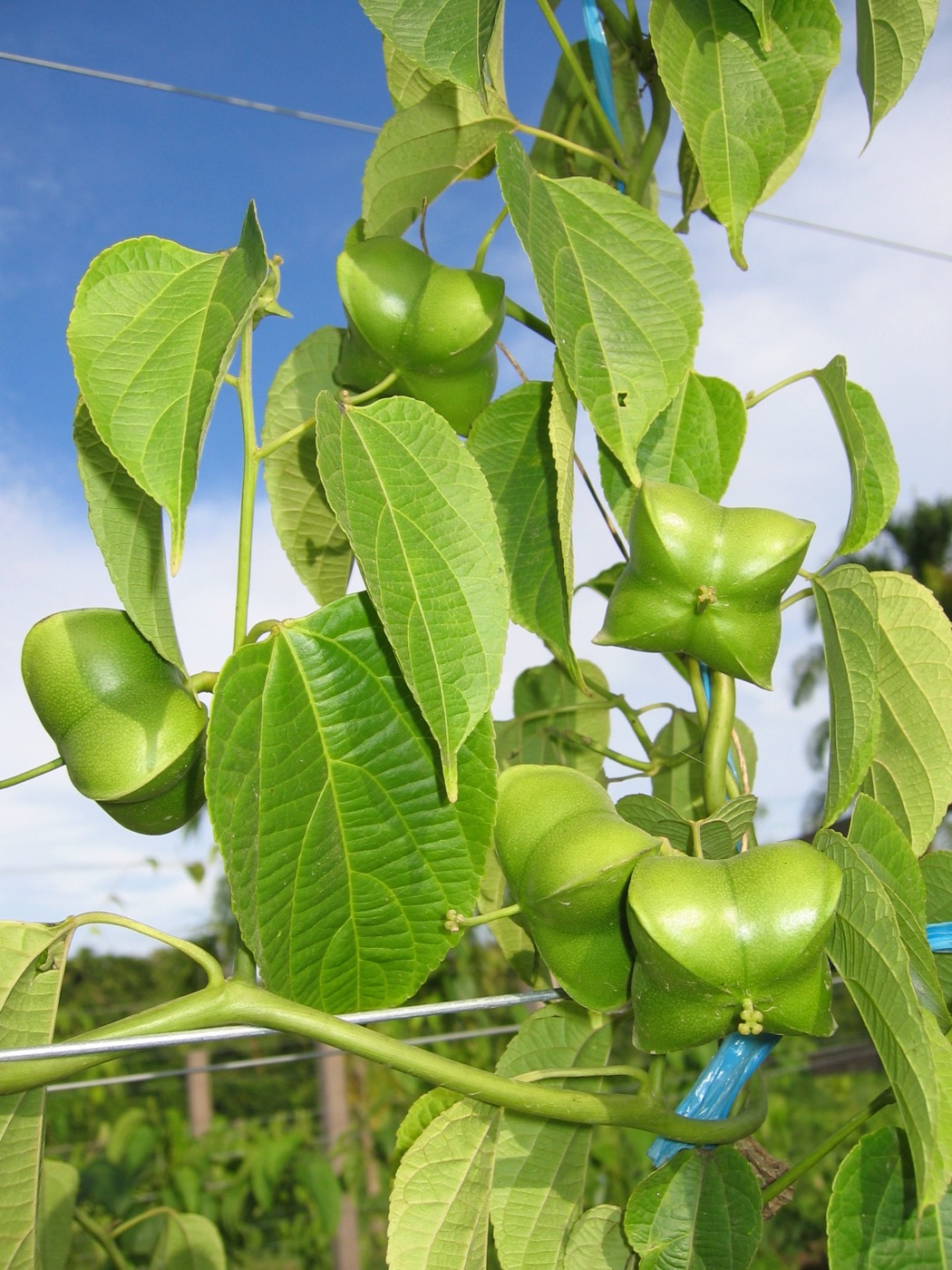
Sacha Inchi Oil
Cold-pressed oil from Plukenetia volubilis seed, standardised to at least 45% alpha-linolenic acid with 33-37% linoleic acid and 700-3300 mg/kg tocopherols. Vegan, allergen-free, nitrogen-packed in drums.
Specifications
| Botanical source | Plukenetia volubilis L., family Euphorbiaceae; oil expressed from the shelled seed borne in the star-shaped fruit capsule. |
| Trade and vernacular names | Sacha inchi, sacha peanut, Inca peanut, Inca nut, mountain peanut. Botanically unrelated to peanut, Arachis hypogaea (Fabaceae). |
| Extraction | Cold-pressed or expeller-pressed from cleaned seed, press temperature controlled; optional light refining. No solvent extraction, no chemical modification. |
| Appearance and organoleptics | Clear pale to golden-yellow liquid oil at 20 C; mild nutty odour and taste, no rancid or fishy note. |
| Alpha-linolenic acid, standardised | 45% min. ALA (C18:3 n-3, CAS 463-40-1) by GC-FID; authentic oil typically 46-51%. |
| Fatty acid profile, typical | Linoleic acid (C18:2 n-6) 33-37%, oleic acid 8-10%, palmitic and stearic together 7-9%; total PUFA about 78-84% of fatty acids. |
| Minor components | Total tocopherols 700-3300 mg/kg, average about 2220 mg/kg, gamma dominant then delta; total sterols about 1620-2900 mg/kg, mainly beta-sitosterol. |
| Regulatory status, EU | Authorised novel food; the labelling designation in the EU Union list is Sacha inchi oil (Plukenetia volubilis). |
| Physicochemical | Iodine value about 192-193 g I2/100 g; saponification value about 183-185 mg KOH/g; refractive index about 1.479; density about 0.919 g/cm3. |
| Quality limits | Free fatty acid 2.0% max as oleic; peroxide value 10 meq O2/kg max at release; moisture and volatiles 0.1% max. |
| Authenticity control | Each lot released on GC fatty acid profile plus sterol profile, because commercial sacha inchi oil is a documented target for dilution with cheaper seed oils. |
| Allergen status | Not listed under EU Regulation 1169/2011 Annex II or US FALCPA. Free of milk, egg, soy, fish, crustacean, gluten and tree-nut inputs. |
| Origin and dietary status | Plant-derived, vegan and vegetarian. No bovine, porcine, marine or other animal material at any stage of growing, pressing or packing. |
| Shelf life and storage | 18 months in the unopened, nitrogen-flushed original pack below 20 C, protected from light; refrigerate after opening. HS code 15159091. |
| HS code | 1515.90 (15159091) |
Applications
Available grades
Cold-pressed virgin (unrefined) grade for culinary and premium supplement use; refined, bleached and deodorised grade for neutral-taste softgel filling and food fortification; cosmetic grade for topical formulation. Organic-certified material available subject to crop and certification availability. Custom ALA floors above 45% quoted against lot analysis.
Related products
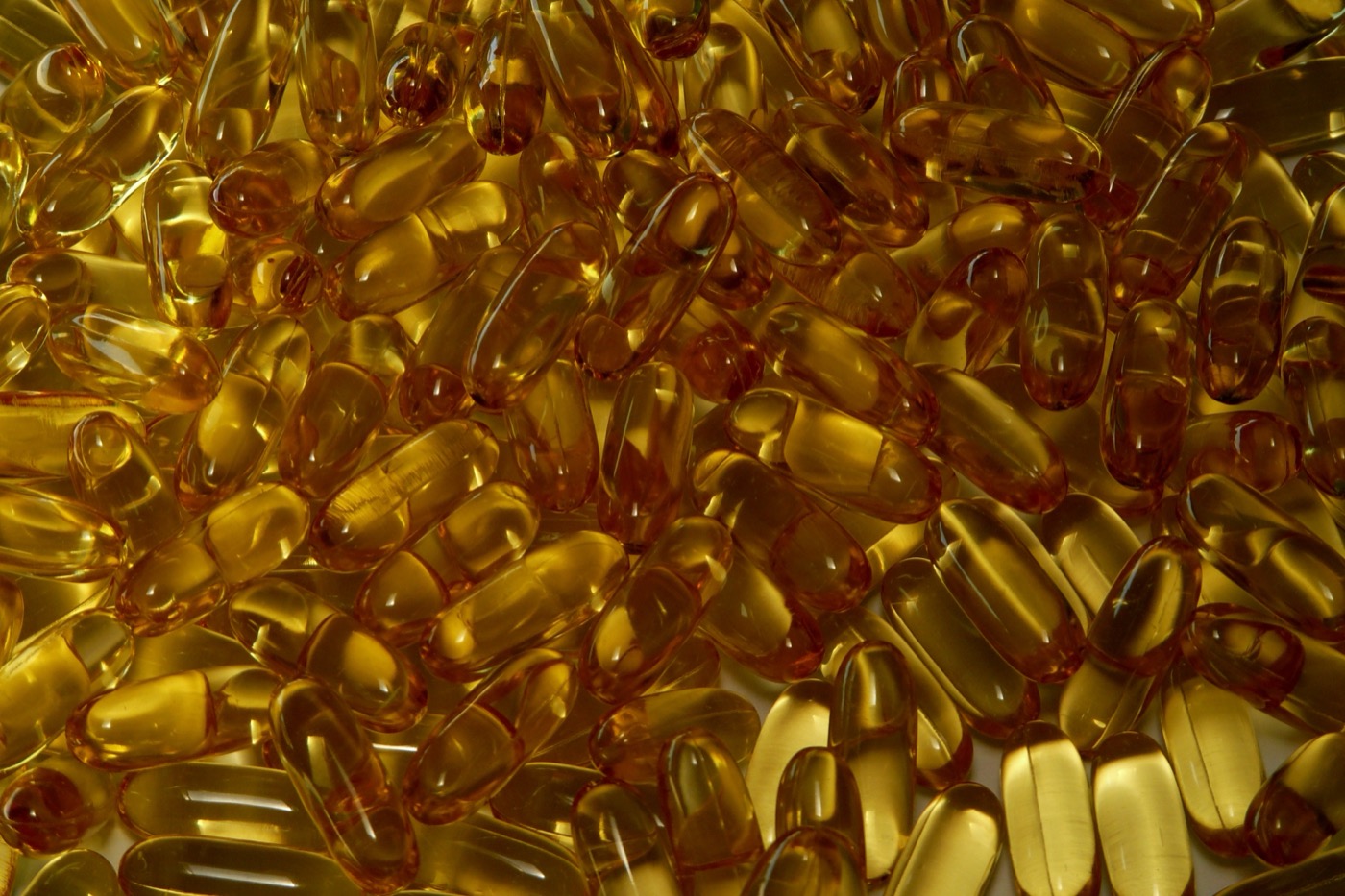
Fish Oil (Omega-3)
Refined, deodorised fish body oil in natural triglyceride form, standard 18/12 grade (EPA 18% min, DHA 12% min). Ph. Eur. 1912 pharmacopoeial grade and softgel formats available.
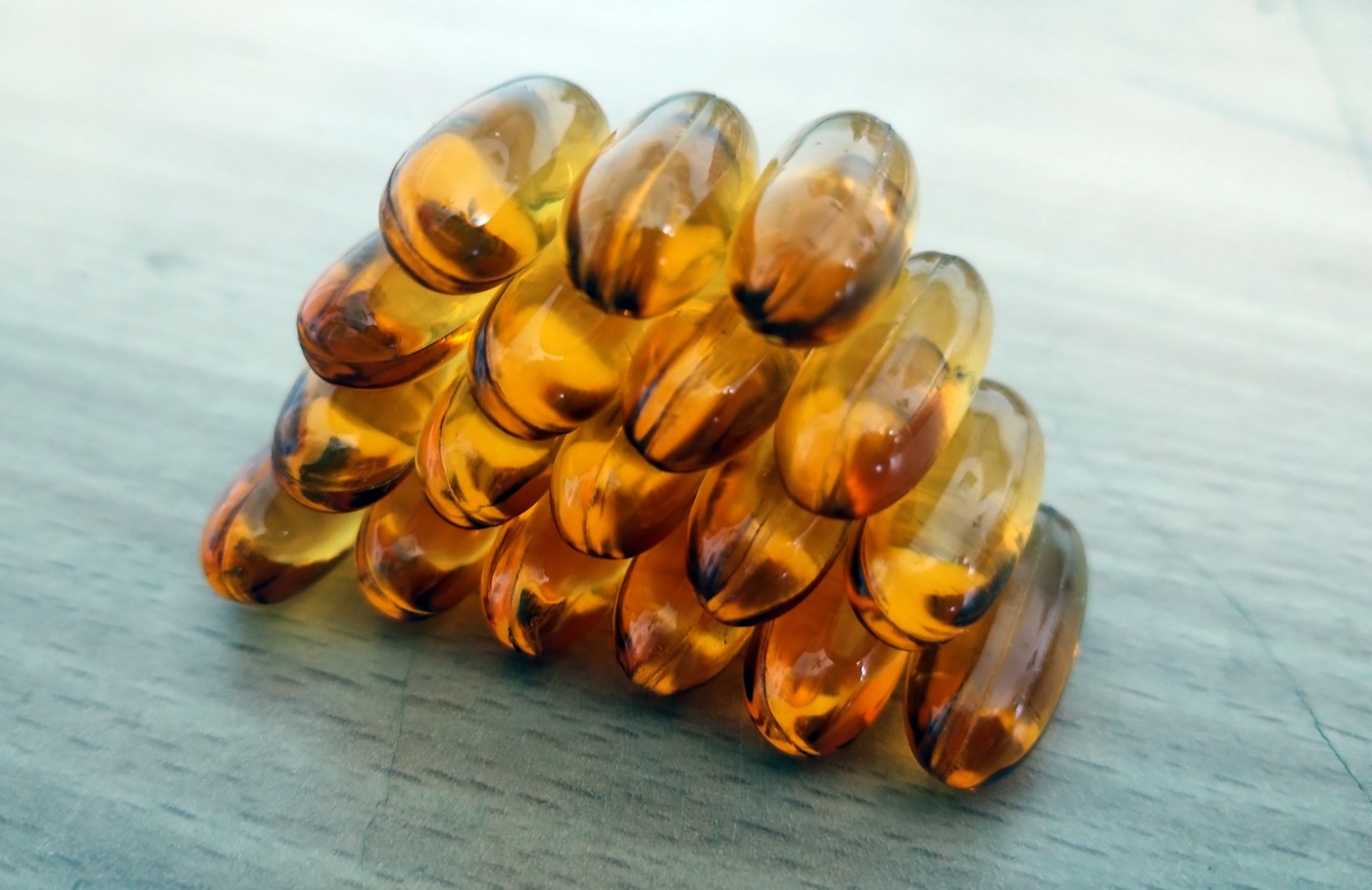
Omega-3 Concentrate (EPA/DHA)
Molecularly distilled EPA/DHA concentrate from fish body oil, supplied as re-esterified triglyceride or ethyl ester in 33/22, 40/20, 50/20, 20/50 and 70% EPA grades.
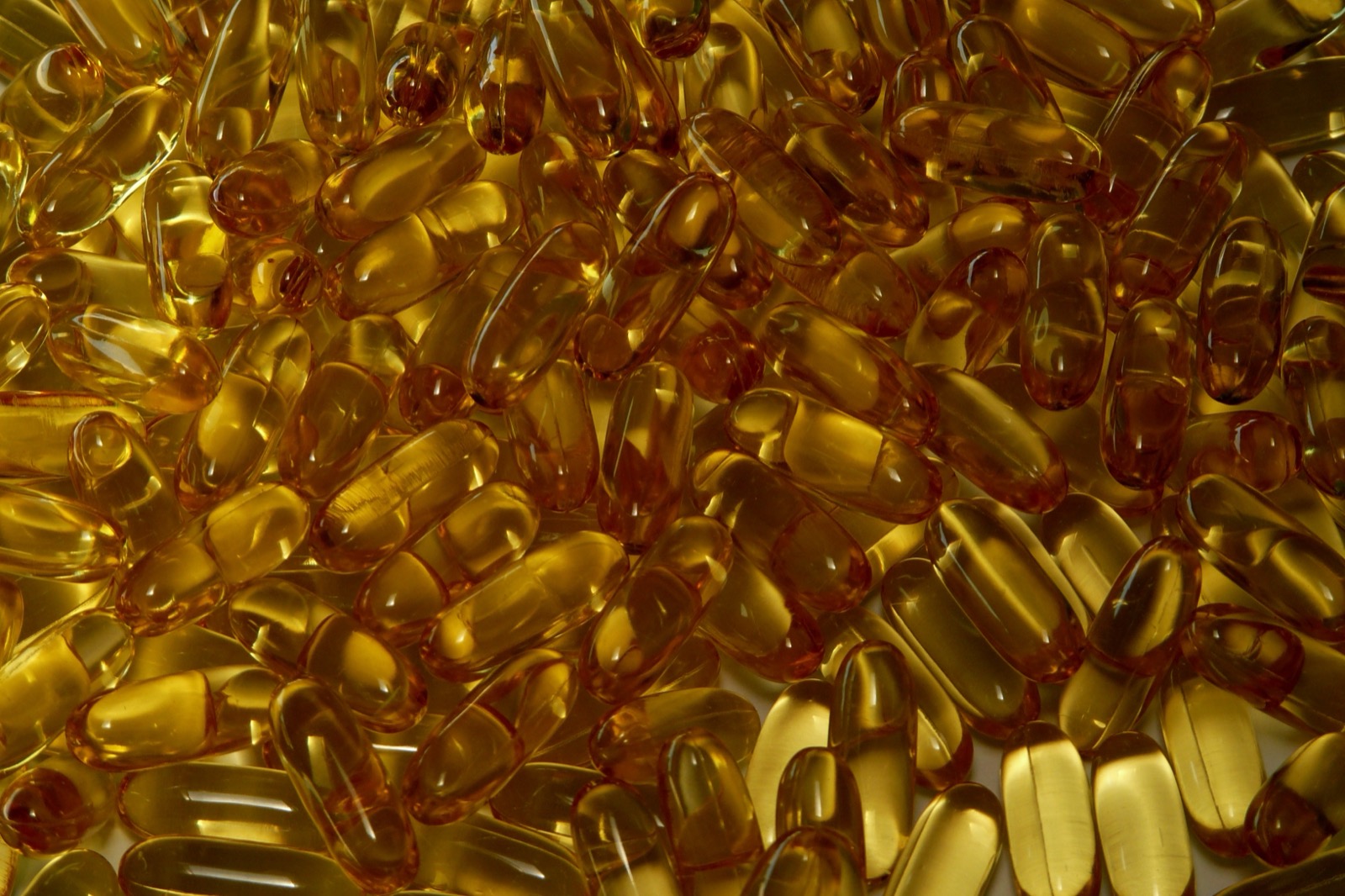
Cod Liver Oil
Purified liver oil of wild cod (Gadus morhua), naturally supplying vitamin A 600-2500 IU/g and vitamin D3 60-250 IU/g to Ph. Eur. Cod-liver oil (Type A) and USP limits.