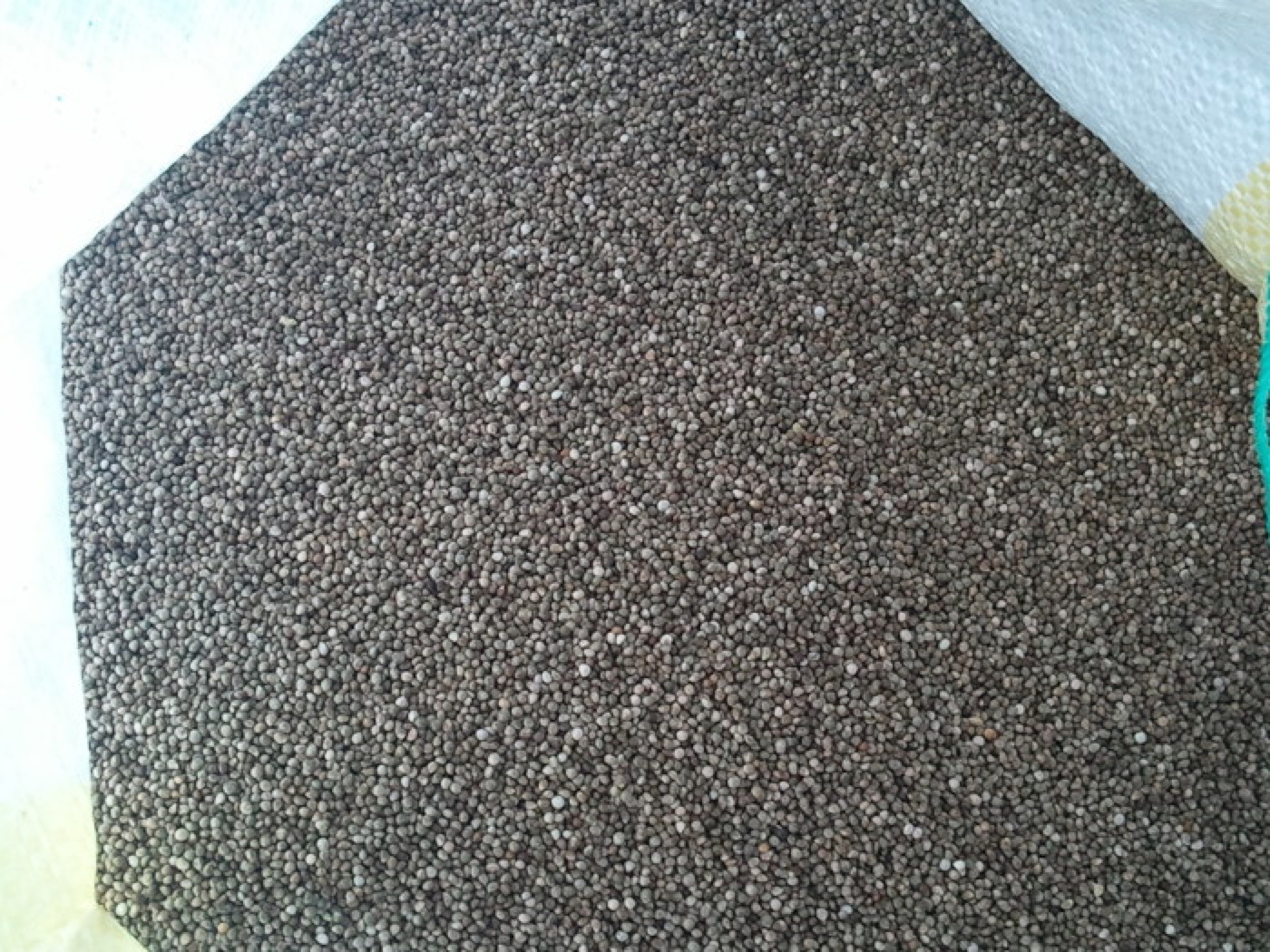
Perilla Seed Oil
Cold-pressed Perilla frutescens seed oil standardised to at least 54% alpha-linolenic acid, above linseed and sacha inchi and comparable to chia. Roasted or unroasted, vegan, nitrogen-blanketed drums.
Specifications
| Botanical source | Perilla frutescens (L.) Britton, family Lamiaceae; oil pressed from the mature seed. Known as bhanjira in Uttarakhand and deulkkae in Korea. |
| Seed oil content | 35-45% oil on seed weight, depending on cultivar and growing conditions. |
| Extraction | Cold-pressed or expeller-pressed from cleaned, dried seed, roasted or unroasted; optional winterisation and light refining. No chemical modification. |
| Appearance and organoleptics | Unroasted grade is a clear light yellow to golden liquid with a mild nutty note; roasted-seed grade is darker and markedly more aromatic. |
| Alpha-linolenic acid, standardised | 54% min. ALA (C18:3 n-3, CAS 463-40-1) by GC-FID; typical 55-64%, with a published germplasm range of 47-64%. |
| Fatty acid profile, typical | Linoleic acid 13-24%, oleic acid 9-20%, palmitic about 7%, stearic about 1.4%; unsaturated fatty acids about 91% of total. |
| Tocopherols | Gamma-tocopherol dominant at roughly 660-730 mg/kg; delta-tocopherol about 72-81 mg/kg; alpha-tocopherol about 5-20 mg/kg. |
| Phytosterols | Beta-sitosterol about 3190 mg/kg, campesterol about 187 mg/kg, stigmasterol about 105 mg/kg. |
| Quality limits | Free fatty acid 2.0% max as oleic; peroxide value 10 meq O2/kg max at release; moisture and volatiles 0.1% max. |
| Oxidative stability | Highest ALA of the common seed oils, so more oxidation-prone than linseed or sacha inchi. Supplied nitrogen-blanketed; mixed tocopherols added on request. |
| Regulatory status, EU | Novel food in the EU - market placement requires authorisation under Regulation (EU) 2015/2283, despite long food use in Korea, Japan, China and Himalayan India. |
| Allergen status | Not listed under EU 1169/2011 Annex II or US FALCPA. A mint-family seed, unrelated to sesame (Pedaliaceae). No milk, egg, soy, fish, crustacean or gluten inputs. |
| Origin and dietary status | Plant-derived, vegan and vegetarian. No bovine, porcine, marine or other animal material used in growing, pressing or packing. |
| Shelf life and storage | 12-18 months unopened under nitrogen below 20 C, protected from light; refrigerate after opening and use promptly. HS code 15159091. |
| HS code | 1515.90 (15159091) |
Applications
Available grades
Cold-pressed unroasted (light, near-neutral) grade for encapsulation and food fortification; roasted-seed (dark, aromatic) grade for culinary finishing; refined and winterised grade for clear softgel fill and cold-storage stability; cosmetic grade for topical use. Tocopherol-stabilised versions and organic-certified material available on request.
Related products
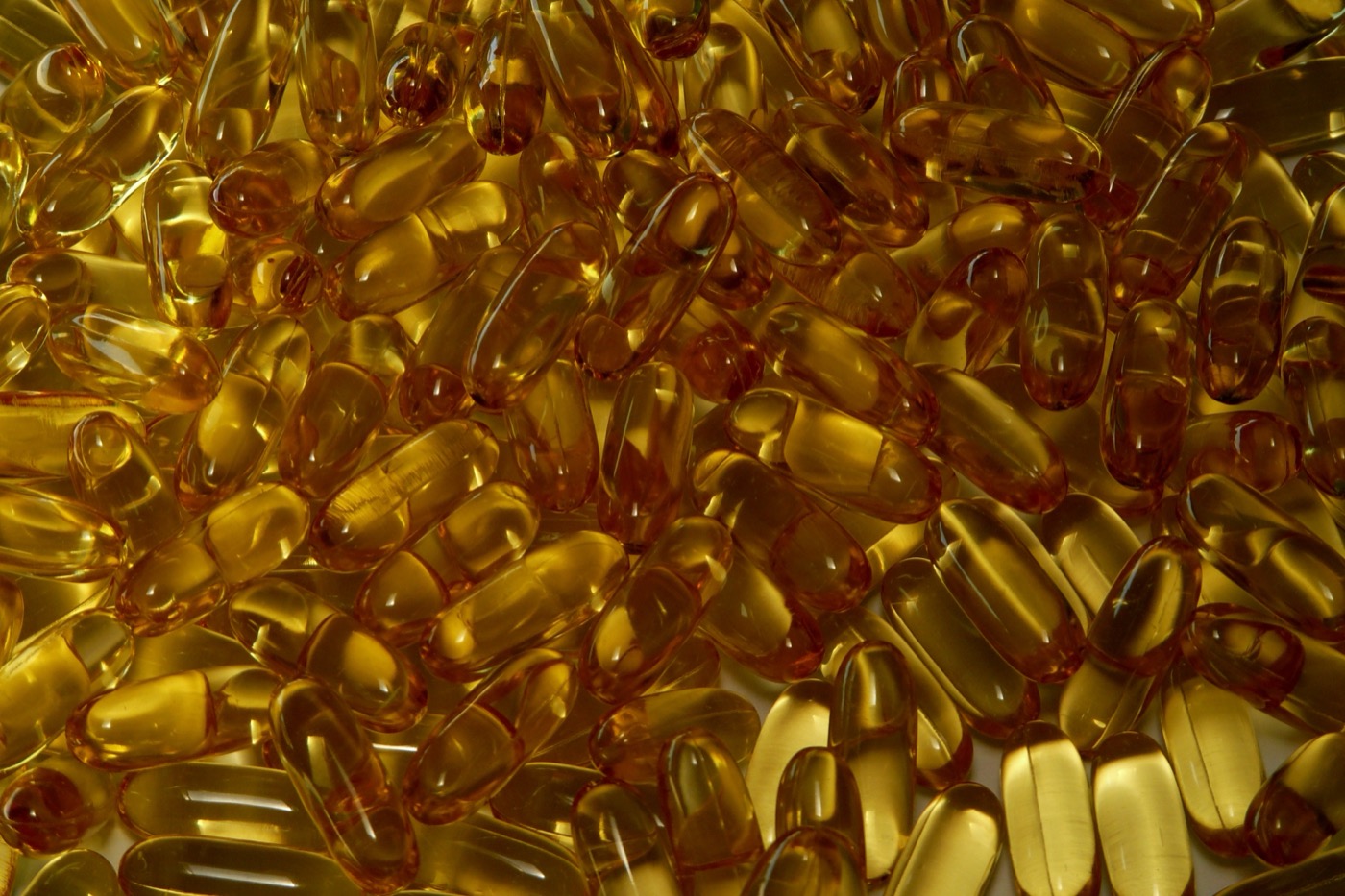
Fish Oil (Omega-3)
Refined, deodorised fish body oil in natural triglyceride form, standard 18/12 grade (EPA 18% min, DHA 12% min). Ph. Eur. 1912 pharmacopoeial grade and softgel formats available.
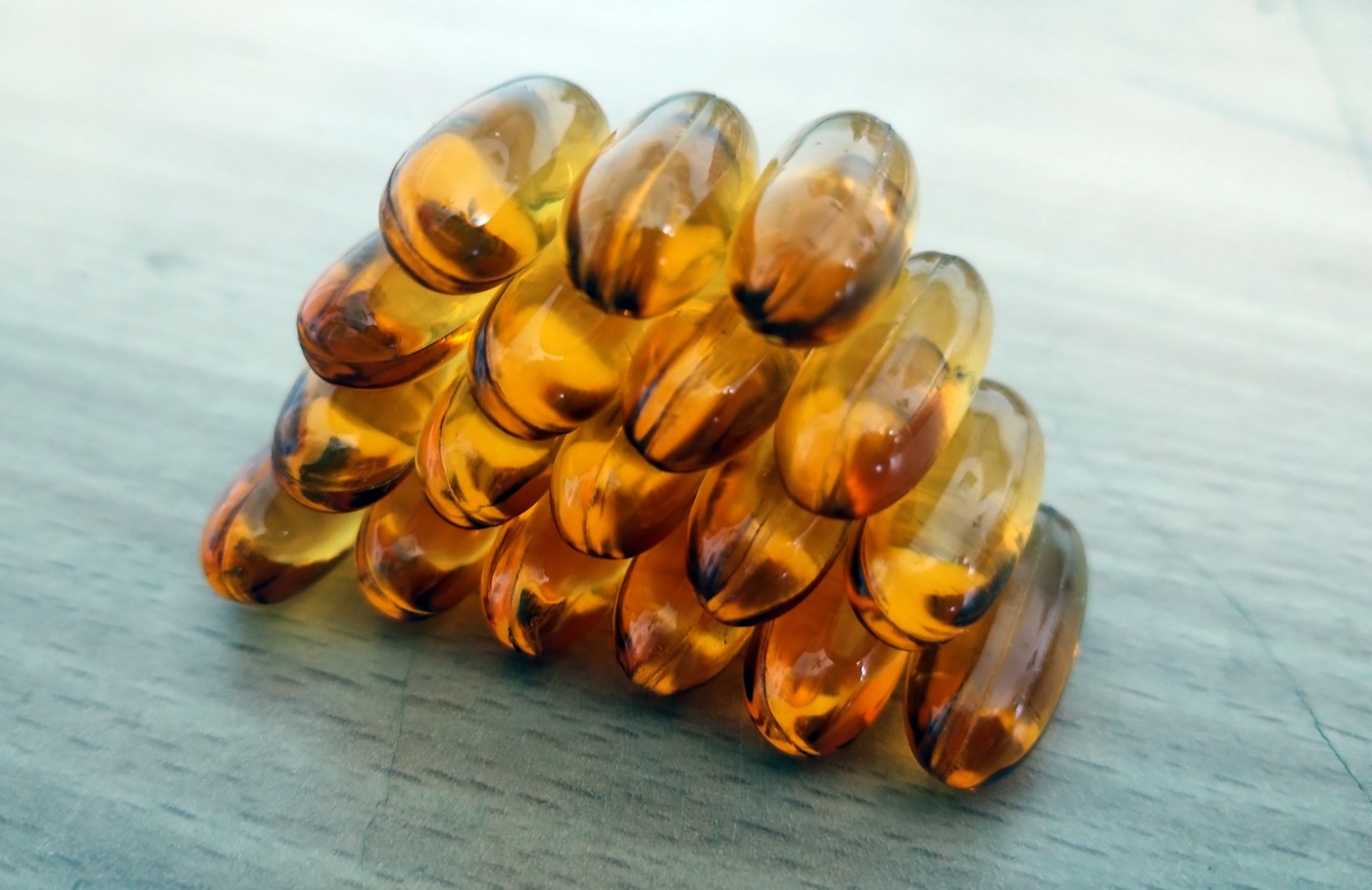
Omega-3 Concentrate (EPA/DHA)
Molecularly distilled EPA/DHA concentrate from fish body oil, supplied as re-esterified triglyceride or ethyl ester in 33/22, 40/20, 50/20, 20/50 and 70% EPA grades.
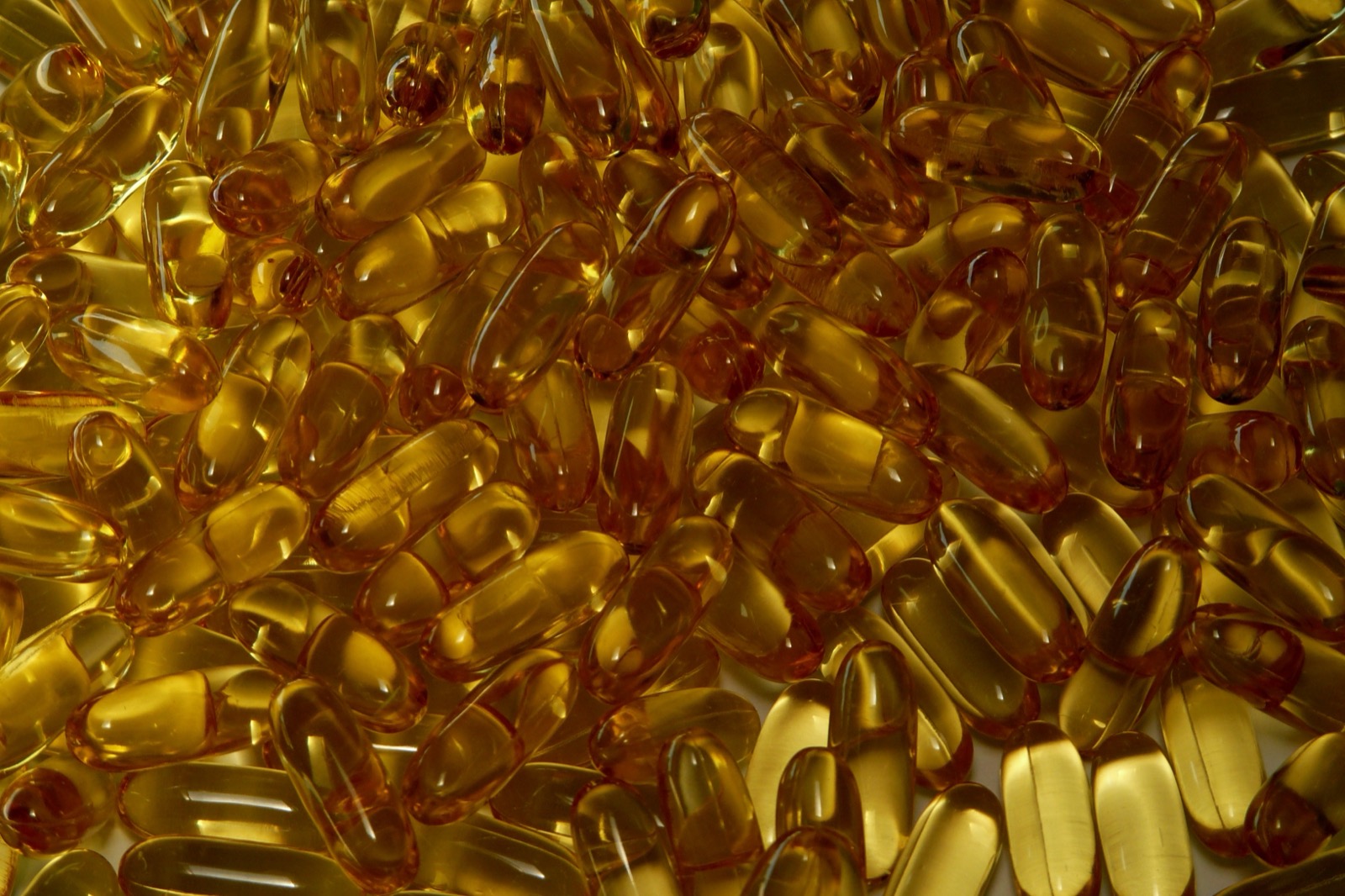
Cod Liver Oil
Purified liver oil of wild cod (Gadus morhua), naturally supplying vitamin A 600-2500 IU/g and vitamin D3 60-250 IU/g to Ph. Eur. Cod-liver oil (Type A) and USP limits.