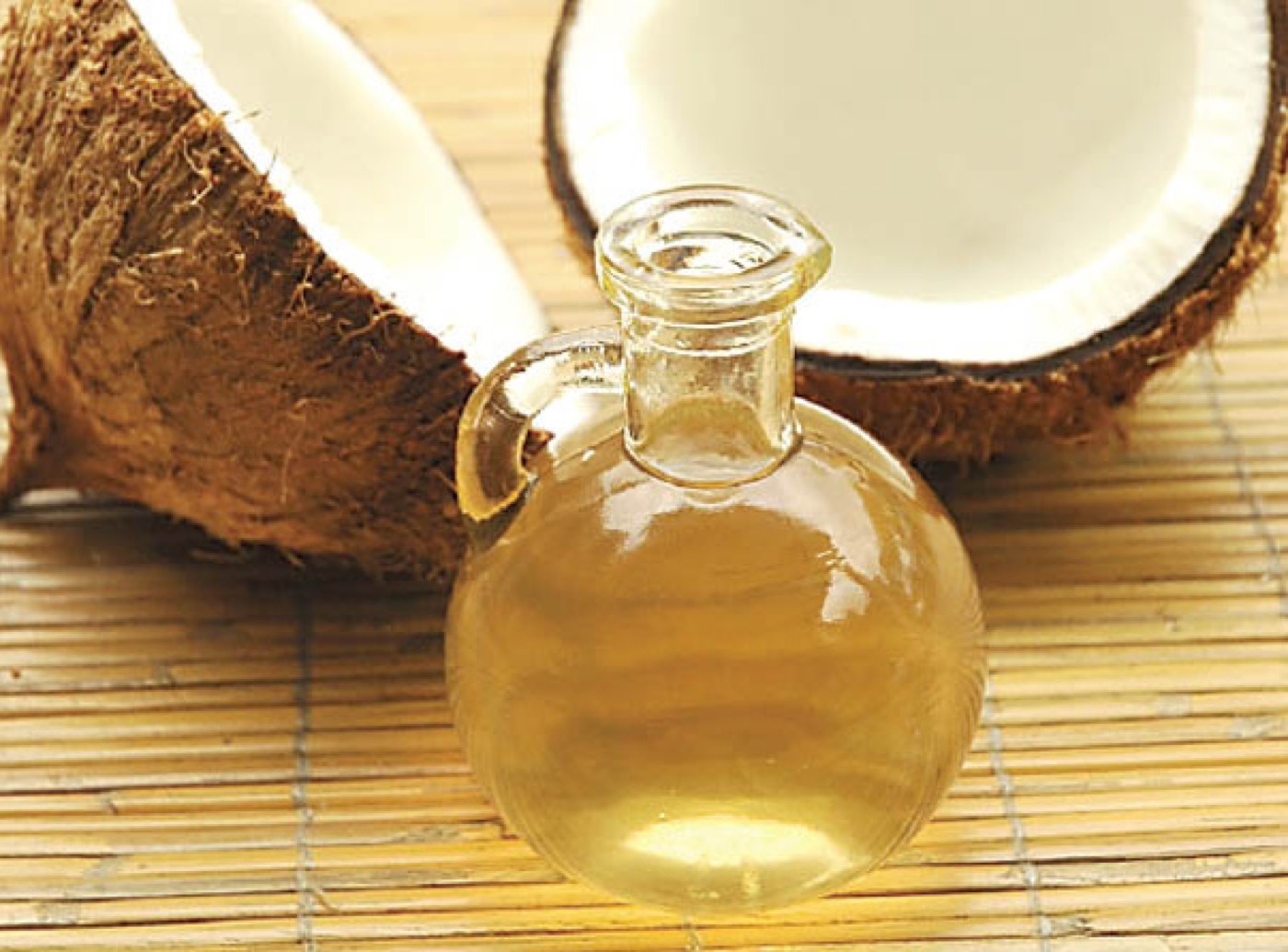
MCT oil (medium-chain triglycerides)
Medium-chain triglycerides from coconut and palm kernel oil, with caprylic and capric acid at 95% minimum of the fatty acid fraction. Ph Eur and USP-NF grade, as clear oil or spray-dried powder.
Specifications
| Identity and CAS | Medium-chain triglycerides, Ph Eur and USP-NF monograph substance; also traded as caprylic/capric triglyceride. CAS 73398-61-5, with 65381-09-1 also cited for the same material |
| Source and process | Oil from the dried endosperm of Cocos nucifera L. or the kernel of Elaeis guineensis Jacq., hydrolysed, fractionated to C8 and C10 acids and re-esterified with glycerol |
| Fatty acid composition | Caproic C6 2.0% max, caprylic C8 50.0-80.0%, capric C10 20.0-50.0%, lauric C12 3.0% max, myristic C14 1.0% max; C8 plus C10 not less than 95.0% of the fatty acid fraction |
| Ratio grades | 60:40 C8:C10 as the standard grade; 70:30 and 50:50 also stocked; C8-rich caprylic grade at 99% minimum for labels that lead on C8. Palm-free coconut-only sourcing available |
| Appearance and solubility | Clear, colourless to slightly yellowish oily liquid, near-odourless, liquid well below 20 C. Practically insoluble in water; miscible with ether, hydrocarbons and vegetable oils |
| Acid value and peroxide value | Acid value not more than 0.2; peroxide value not more than 1.0. The near-absence of unsaturation is why these limits sit an order of magnitude below those for seed oils |
| Iodine, hydroxyl and saponification values | Iodine value not more than 1.0; hydroxyl value not more than 10; saponification value 310 to 360, determined on 1.0 g per the pharmacopoeial method |
| Physical constants | Relative density 0.930-0.960 at 20 C; refractive index 1.440-1.452 at 20 C; viscosity 25-33 mPa s. Low viscosity and a low pour point suit cold-chain and pump-fill lines |
| Water and unsaponifiable matter | Water not more than 0.2%; unsaponifiable matter not more than 0.5% on 5.0 g. Material intended for parenteral nutrition also carries a tin limit of 0.1 ppm |
| MCT powder | Spray-dried at roughly 70% MCT oil load on acacia fibre or tapioca-derived carrier, or 50-60% load on sodium caseinate. Free-flowing white powder, disperses in warm water |
| Allergen status | Oil has no milk, egg, soy, fish, crustacean, gluten, peanut or tree nut input; US labelling treats coconut as a tree nut. Sodium caseinate powder carriers declare MILK |
| Origin and dietary status | Wholly plant-derived - vegan and vegetarian. No bovine, porcine or marine material. Non-GMO; RSPO-certified palm kernel or coconut-only sourcing on request |
| Shelf life and storage | 24 months for the oil in the unopened original pack below 25 C, away from light; 18 months for the powder below 25 C and 60% relative humidity |
| HS code | 15162091 in India for the edible re-esterified oil; 15162099 for non-edible grade; 21069099 for the spray-dried powder. See the classification note |
Applications
Available grades
Ph Eur and USP-NF grade as the base offer, in 60:40, 70:30 and 50:50 C8:C10 ratios, plus a C8-rich caprylic grade at 99% minimum. Food grade, cosmetic grade and pharmaceutical excipient grade with elemental impurity data. Palm-free coconut-only and RSPO mass-balance sourcing, certified organic material, and spray-dried powder at 70% load on acacia or tapioca carrier or 50-60% on sodium caseinate. Kosher and halal certification on request.
Related products
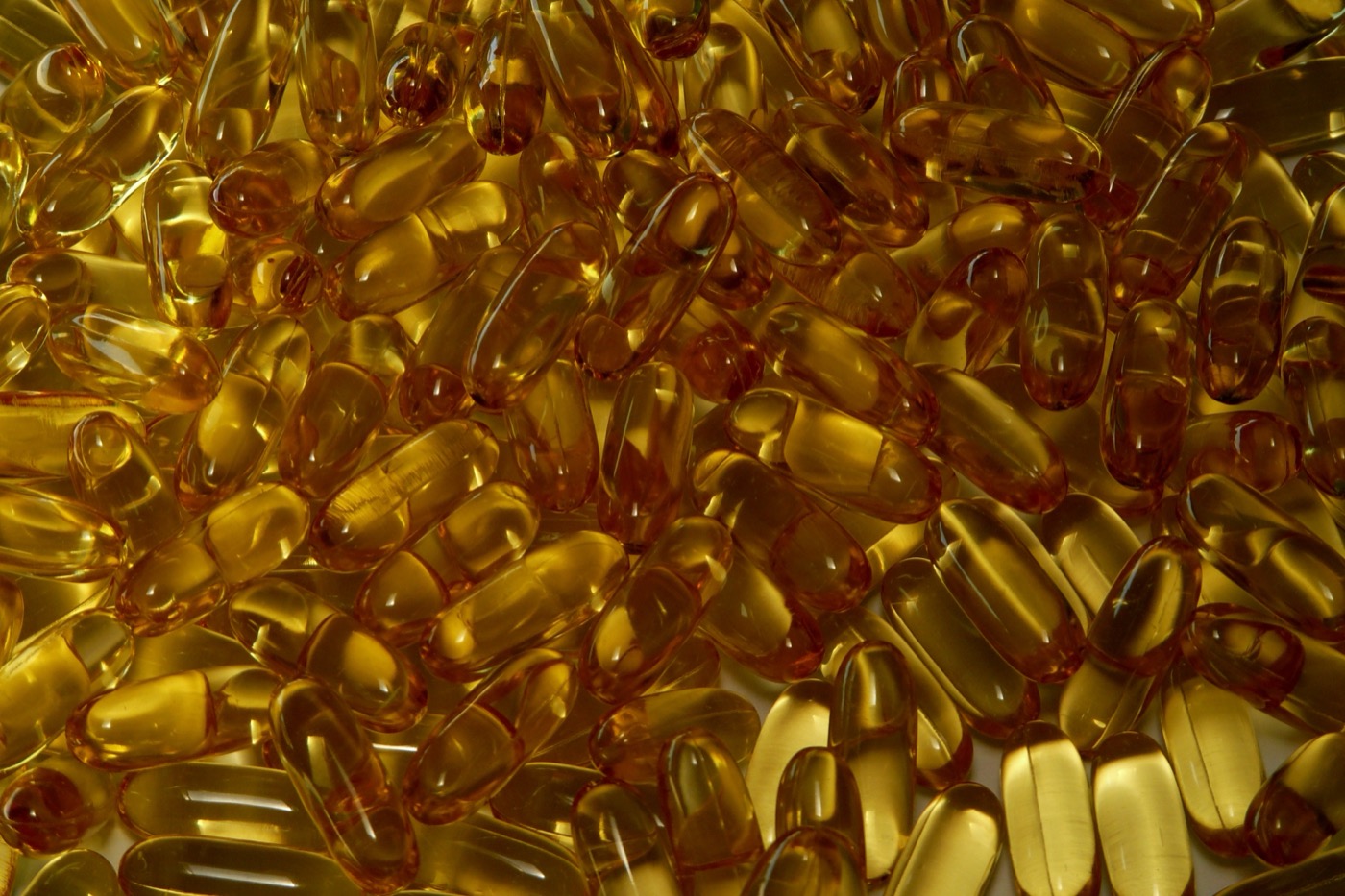
Fish Oil (Omega-3)
Refined, deodorised fish body oil in natural triglyceride form, standard 18/12 grade (EPA 18% min, DHA 12% min). Ph. Eur. 1912 pharmacopoeial grade and softgel formats available.
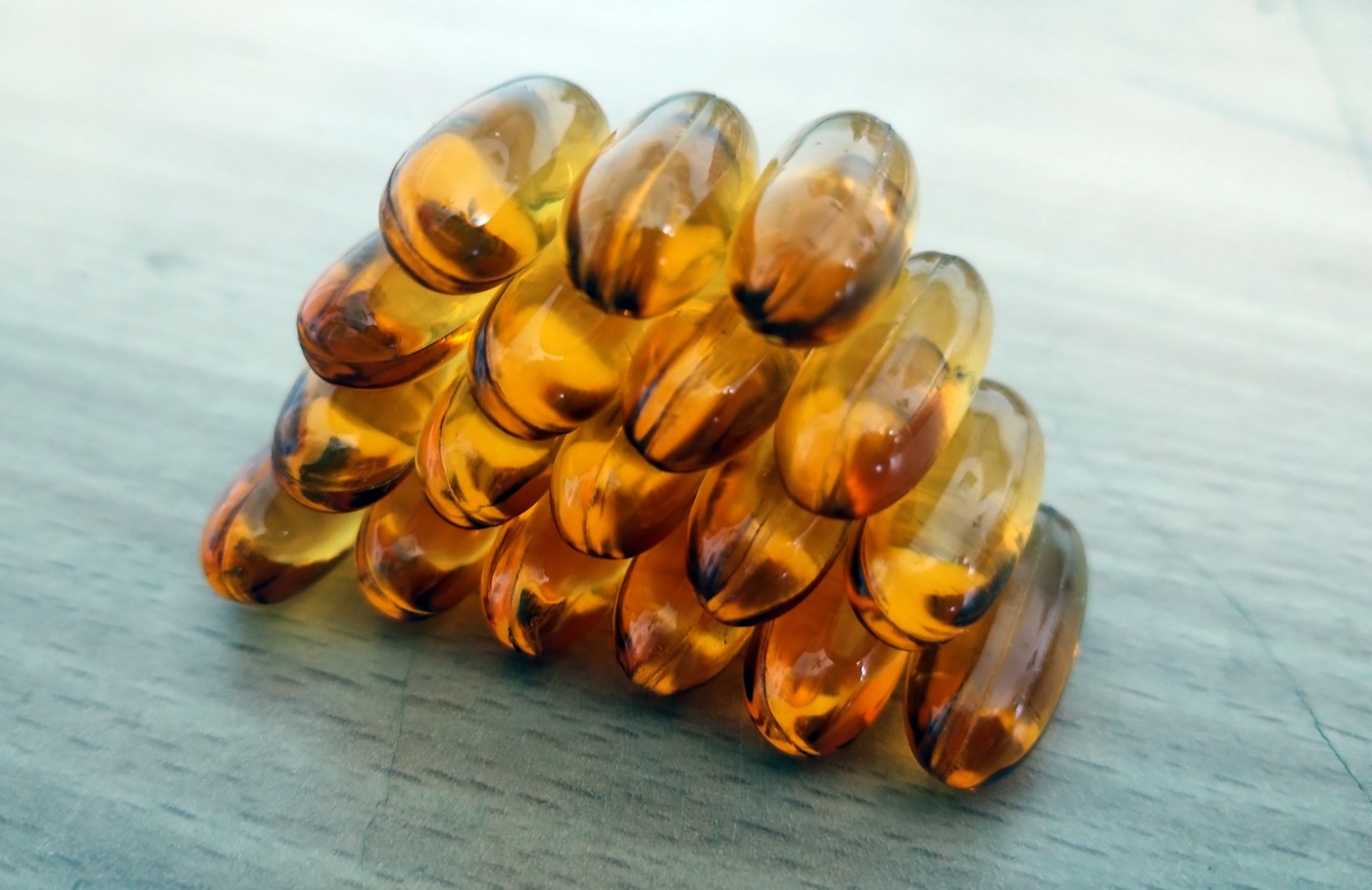
Omega-3 Concentrate (EPA/DHA)
Molecularly distilled EPA/DHA concentrate from fish body oil, supplied as re-esterified triglyceride or ethyl ester in 33/22, 40/20, 50/20, 20/50 and 70% EPA grades.
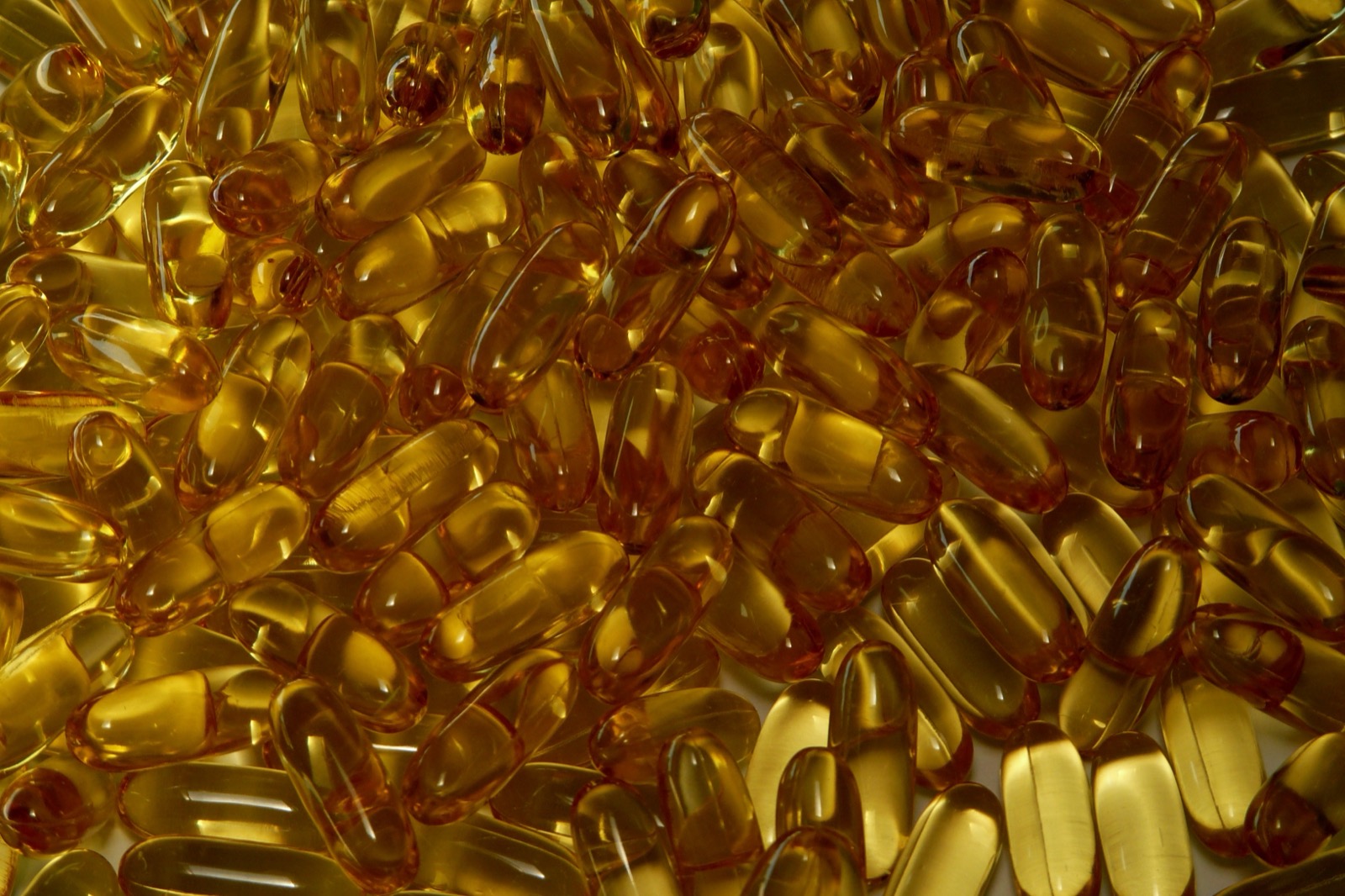
Cod Liver Oil
Purified liver oil of wild cod (Gadus morhua), naturally supplying vitamin A 600-2500 IU/g and vitamin D3 60-250 IU/g to Ph. Eur. Cod-liver oil (Type A) and USP limits.