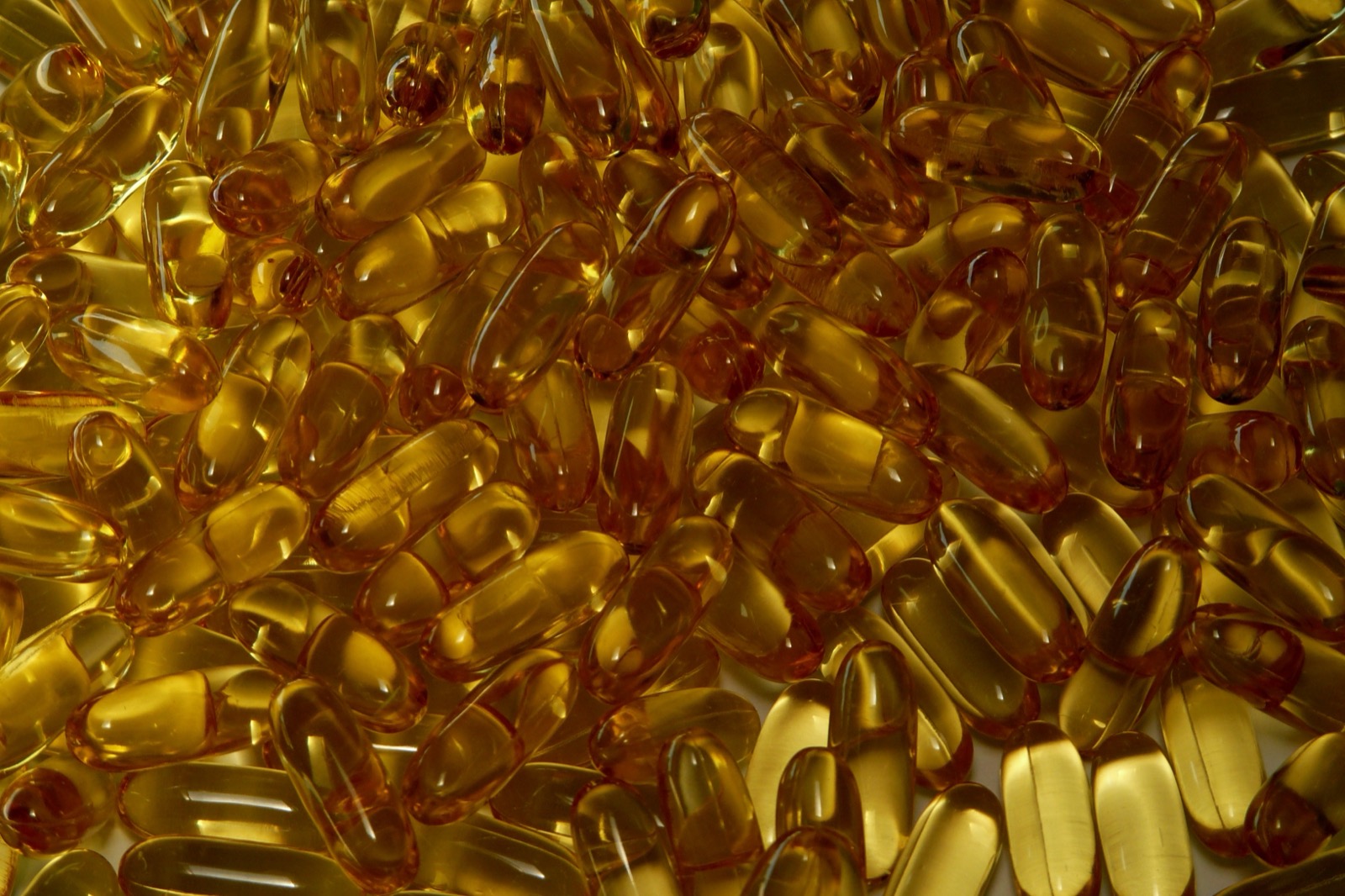
CLA (Conjugated Linoleic Acid)
Safflower-derived conjugated linoleic acid standardised to 80% total CLA, with the c9,t11 and t10,c12 isomers in roughly equal share. Bulk oil, powder and finished softgels.
Specifications
| Chemical identity | Conjugated linoleic acid, a mixture of positional and geometric isomers of octadecadienoic acid; C18H32O2, MW 280.44 g/mol |
| CAS numbers | 121250-47-3 (CLA isomer mixture as traded); c9,t11 rumenic acid 2540-56-9; t10,c12 isomer 2420-56-6 |
| Source material | Non-GMO safflower seed oil (Carthamus tinctorius L.), alkali-isomerised; wholly plant-derived |
| Assay, total CLA (GC) | 78-80% min of total fatty acids |
| Isomer profile | c9,t11 and t10,c12 present at approximately 1:1; each typically 37-41% of total fatty acids |
| Trade forms | Free fatty acid (FFA), re-esterified triglyceride (TG), ethyl ester (EE), and 50-60% spray-dried powder on a food-grade carrier |
| Appearance | Clear, colourless to pale yellow oil; bland to mildly characteristic odour |
| Acid value | Codex CXS 19-1981 gives 0.6 mg KOH/g max for refined fats and oils; FFA grade is by definition an acid and is controlled on assay, not acid value |
| Peroxide value | Codex CXS 19-1981 gives 10 meq active oxygen/kg max for refined fats and oils; buyer limits confirmed at despatch |
| Trans fat labelling | Under 21 CFR 101.9 trans fat covers only isolated (non-conjugated) trans double bonds, so CLA is excluded from the trans fat declaration |
| Regulatory note | EFSA assessed CLA-rich oils (Tonalin TG 80, Clarinol, both ~80% CLA at 1:1) as safe at the proposed intakes for up to six months; no EU health claim is authorised |
| Allergen status | Free from milk, egg, fish, crustacean, soy, gluten, peanut and tree nut. Oil and powder are vegan; the softgel shell decides the final declaration |
| Softgel shell options | Bovine gelatin (not vegan), fish gelatin (introduces a fish allergen) or vegetarian HPMC/starch (keeps a plant-only claim) |
| Shelf life and storage | 24 months unopened below 25 C, protected from light, nitrogen headspace maintained |
| HS code | 3823.19 (38231900) |
Applications
Available grades
CLA-80 free fatty acid; CLA-80 re-esterified triglyceride; CLA ethyl ester; 50-60% spray-dried powder on acacia or maltodextrin carrier. Softgels at 1000, 1250 and 1500 mg fill in bovine gelatin, fish gelatin or vegetarian HPMC shell. Non-GMO, halal and kosher grades available.
Related products
Fish Oil (Omega-3)
Refined, deodorised fish body oil in natural triglyceride form, standard 18/12 grade (EPA 18% min, DHA 12% min). Ph. Eur. 1912 pharmacopoeial grade and softgel formats available.
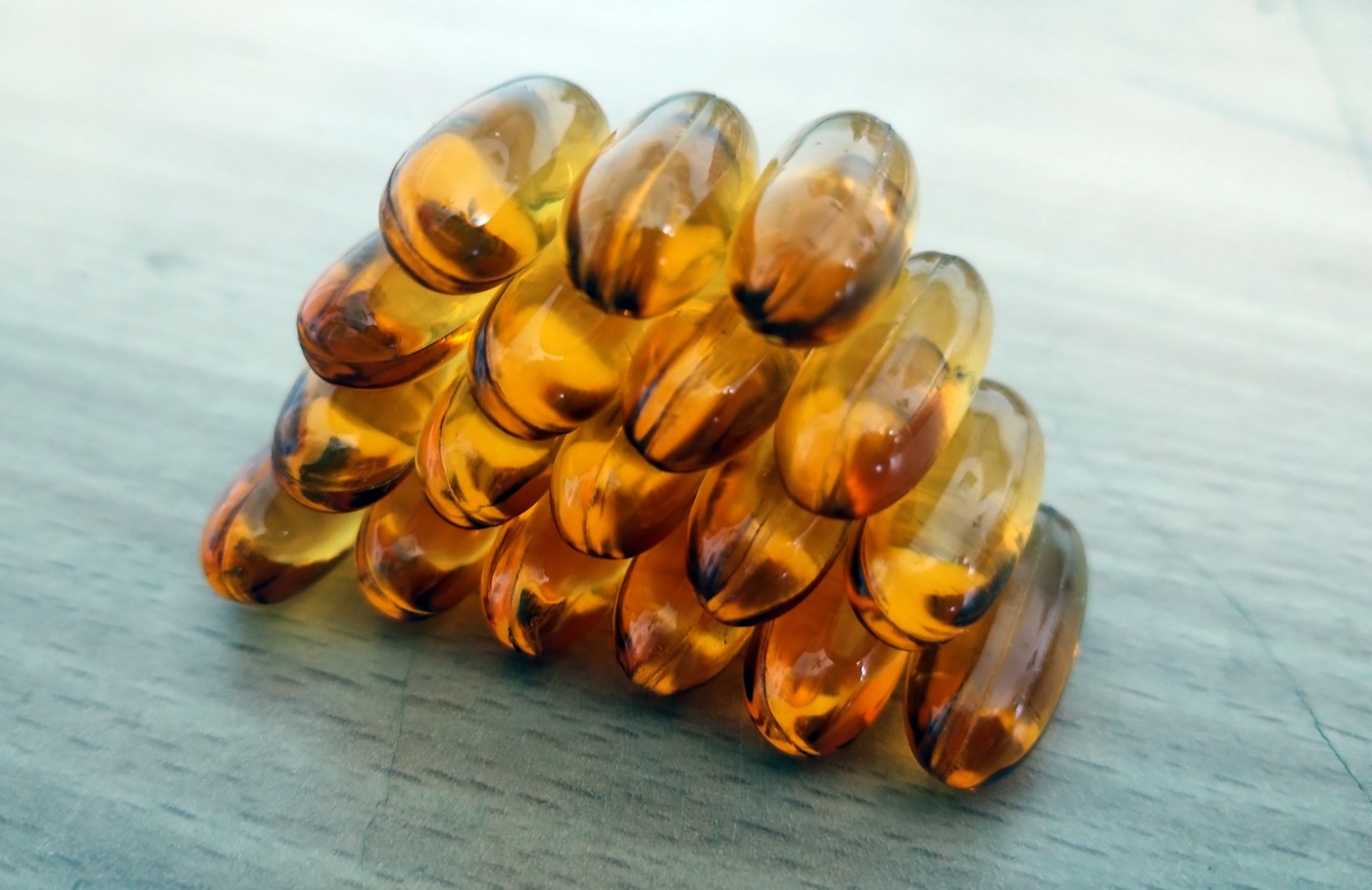
Omega-3 Concentrate (EPA/DHA)
Molecularly distilled EPA/DHA concentrate from fish body oil, supplied as re-esterified triglyceride or ethyl ester in 33/22, 40/20, 50/20, 20/50 and 70% EPA grades.
Cod Liver Oil
Purified liver oil of wild cod (Gadus morhua), naturally supplying vitamin A 600-2500 IU/g and vitamin D3 60-250 IU/g to Ph. Eur. Cod-liver oil (Type A) and USP limits.