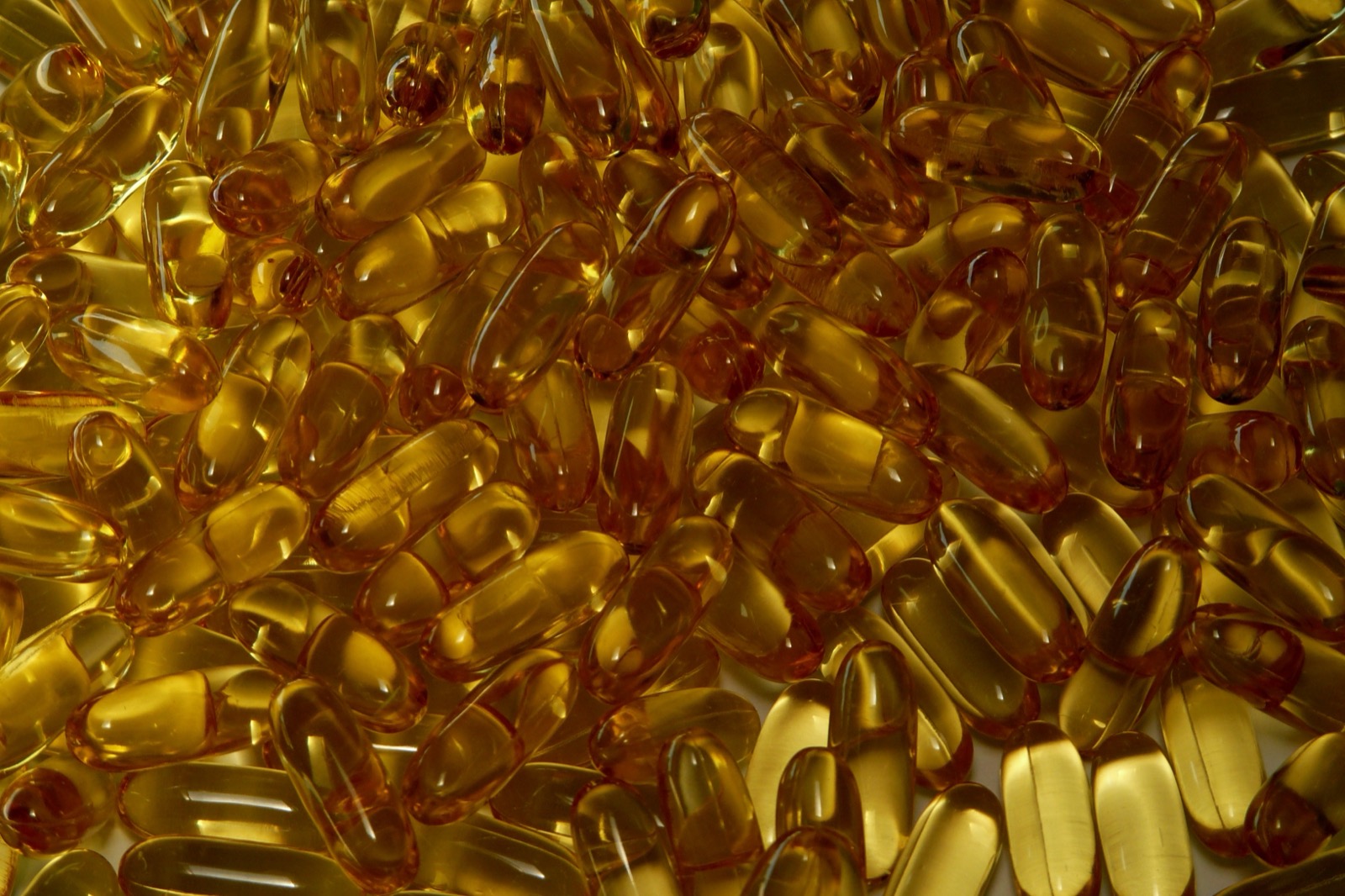
Algal Oil (Vegan DHA)
Vegan DHA softgels filled with refined Schizochytrium sp. oil, DHA ≥ 32% of fatty acids in triglyceride form. Fermentation-grown, fish-free, with a starch and glycerin vegan shell.
Specifications
| Source organism | Schizochytrium sp., including S. limacinum — a marine thraustochytrid grown heterotrophically on sugar in closed fermenters, with no ocean harvest |
| Fill material | Refined, bleached and deodorised microalgal oil; DHA supplied in triglyceride form, not as ethyl ester |
| Appearance and odour | Clear pale yellow to amber oil, bland to faintly marine odour after deodorisation |
| DHA content | ≥ 32% of total fatty acids (EU union list minimum); batches assessed by EFSA ran 40.5–46.3%. DHA is CAS 6217-54-5, C22H32O2 |
| EPA content | Negligible in DHA-only oils; combination grades run about 15% EPA alongside about 30% DHA. Stated per grade on the COA |
| Oxidation and acid value | Acid value ≤ 0.5 mg KOH/g; peroxide value ≤ 5.0 meq O2/kg; p-anisidine ≤ 20 and TOTOX ≤ 26 per GOED, with EFSA recommending p-anisidine ≤ 10 for this oil |
| Other oil quality | Unsaponifiable matter ≤ 4.5%; trans fatty acids ≤ 1.0%; moisture and volatiles ≤ 0.05% |
| Antioxidant system | Mixed tocopherols with ascorbyl palmitate and/or rosemary extract; sunflower-derived tocopherol specified where a soy declaration must be avoided |
| Contaminants | GOED voluntary monograph limits: arsenic, cadmium, lead and mercury each ≤ 0.1 mg/kg; dioxins, furans and dioxin-like PCBs ≤ 3 pg WHO-TEQ/g |
| Allergen declaration | Free from fish, crustacean, milk, egg, gluten, peanut and tree nut. Soy is declarable only where soy-derived tocopherols are used — specify at order stage |
| Diet status and shell | Vegan and vegetarian, fermentation-derived. Softgel shell of modified tapioca or corn starch, vegetable glycerin and purified water; carrageenan-free option |
| Regulatory status | EU novel food union list under Reg. (EU) 2017/2470 (strains incl. ATCC PTA-9695, FCC-3204, WZU477); US FDA GRAS notices incl. GRN 137, 553, 732 and 776 |
| Format, packaging and shelf life | 500 and 1000 mg vegan softgel fills; 24 months unopened at ≤ 25 °C, protected from light and air; bulk oil supplied nitrogen-blanketed |
| HS code (India) | 1515.60 (15156000) |
Applications
Available grades
DHA 35% and DHA 40% triglyceride oils; DHA+EPA oil at roughly 30% DHA with 15% EPA; concentrated 55% DHA grade; 10% DHA micro-encapsulated powder for dry blends. Softgel fills of 500 mg and 1000 mg with a starch-glycerin vegan shell; non-GMO and vegan-certified lots on request.
Related products
Fish Oil (Omega-3)
Refined, deodorised fish body oil in natural triglyceride form, standard 18/12 grade (EPA 18% min, DHA 12% min). Ph. Eur. 1912 pharmacopoeial grade and softgel formats available.
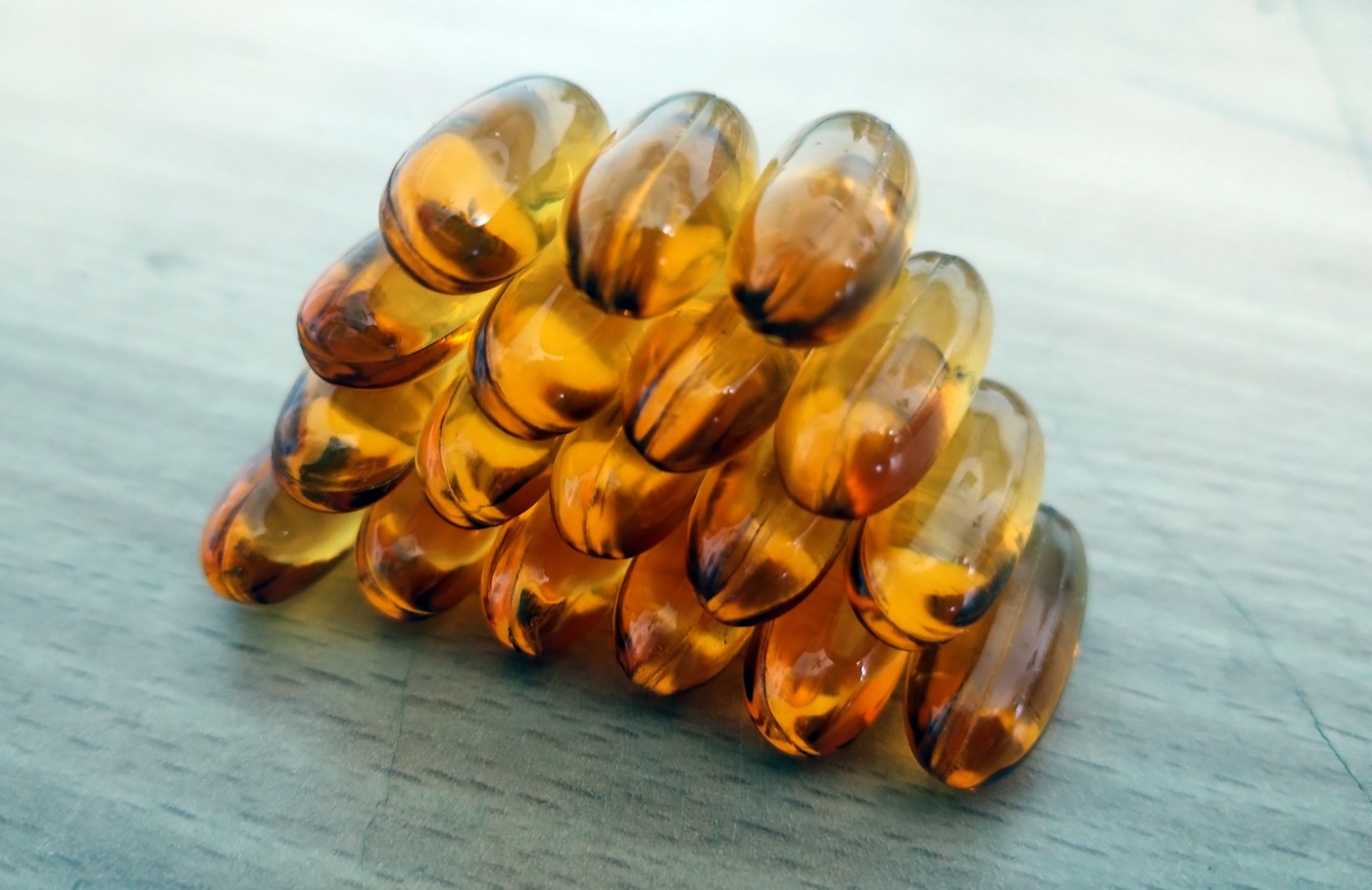
Omega-3 Concentrate (EPA/DHA)
Molecularly distilled EPA/DHA concentrate from fish body oil, supplied as re-esterified triglyceride or ethyl ester in 33/22, 40/20, 50/20, 20/50 and 70% EPA grades.
Cod Liver Oil
Purified liver oil of wild cod (Gadus morhua), naturally supplying vitamin A 600-2500 IU/g and vitamin D3 60-250 IU/g to Ph. Eur. Cod-liver oil (Type A) and USP limits.