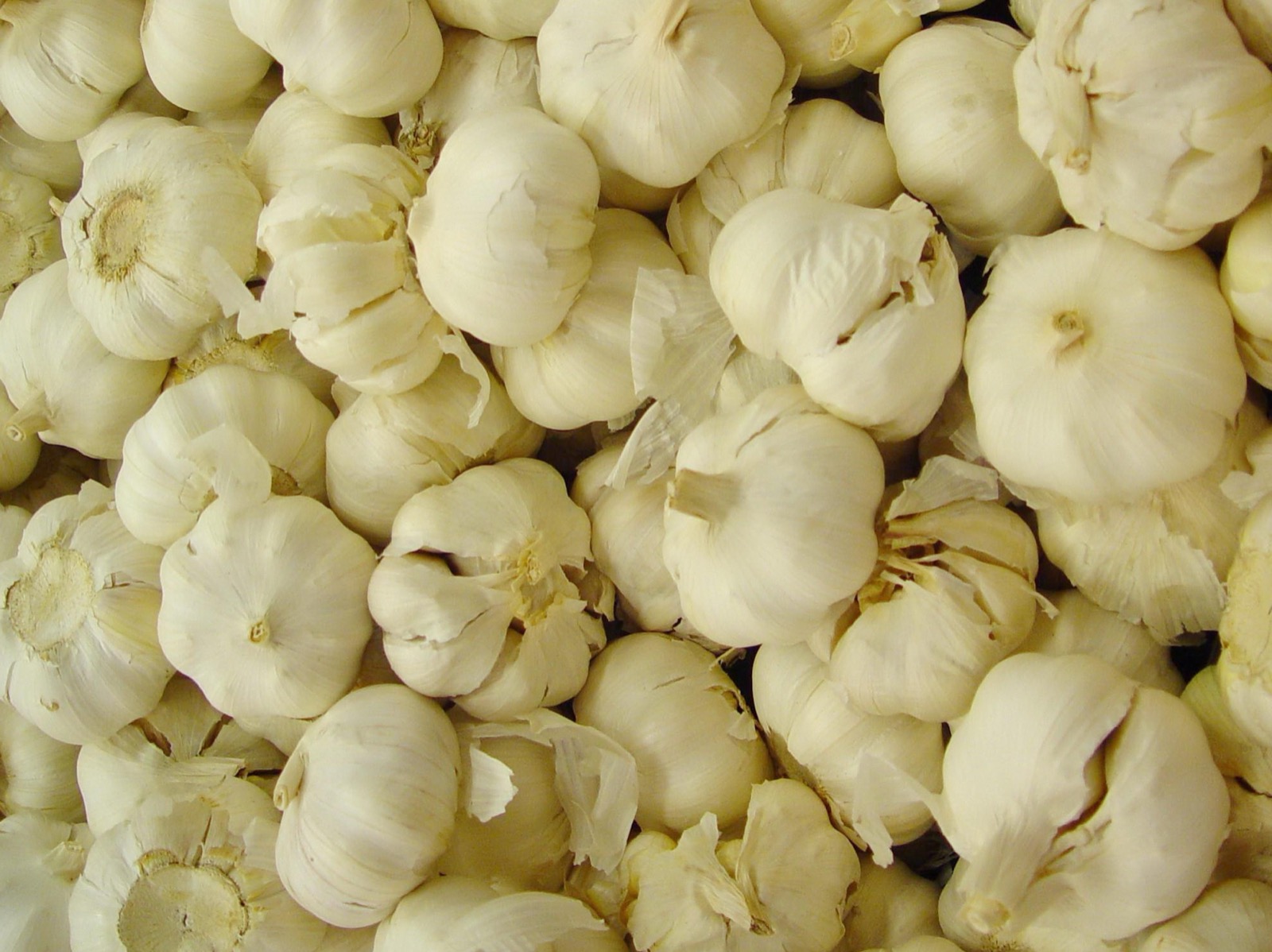
Garlic and Arjuna Capsules
Capsules pairing allicin-yield garlic extract with arjunolic-acid-standardised arjuna stem bark. Each active assayed and declared separately, vegan HPMC or gelatin shell, private label from India.
Specifications
| Product format | Two-piece hard capsule, size 0 or 1, filled with a blend of two standardised extracts plus a named flow aid; delayed-release (enteric) capsule or coating available |
| Garlic source | Allium sativum L., family Amaryllidaceae (subfamily Allioideae); dried bulb and cloves, Indian origin, principally Gujarat, Madhya Pradesh and Rajasthan |
| Garlic marker chemistry | Alliin (S-allyl-L-cysteine sulphoxide) CAS 556-27-4, C6H11NO3S, MW 177.22; allicin (diallyl thiosulphinate) CAS 539-86-6, C6H10OS2, MW 162.3 |
| Garlic standardisation | Allicin yield 1.0% or 2.0% min by HPLC, or alliin 1.0-2.0%. ESCOP conversion: 1 mg alliin corresponds to 0.45 mg allicin. USP powdered garlic: alliin NLT 0.3% dry weight |
| Why allicin is a yield | Allicin is unstable in a dry powder; it forms from retained alliin by alliinase (alliin lyase, EC 4.4.1.4) under the assay conditions, so the figure is a maximum, not a content |
| Alliinase and gastric acid | Alliinase is acid-labile, which is why allicin-yield garlic is conventionally enteric coated or delayed-release. Specify the release profile on the purchase order |
| Lot-to-lot reality | Published surveys found allicin potentials of 0.64 to 4.64 g/kg across brands and across lots of one brand; fresh crushed cloves yield about 2.5-4.5 mg allicin per gram |
| Aged-garlic alternative | Aged garlic extract is standardised on S-allyl-L-cysteine, CAS 21593-77-1, C6H11NO2S, MW 161.22 - a stable marker, a different raw material, not an allicin substitute |
| Arjuna source | Terminalia arjuna (Roxb. ex DC.) Wight & Arn., Combretaceae; stem bark, the part defined for Arjuna in the Ayurvedic Pharmacopoeia of India. Root and mixed bark not accepted |
| Arjuna marker chemistry | Arjunolic acid CAS 465-00-9, C30H48O5, MW 488.7 (2alpha,3beta,23-trihydroxyolean-12-en-28-oic acid); arjunic acid, arjungenin, gallic acid and ellagic acid also present |
| Arjuna standardisation | Arjunolic acid 0.5%, 1% or 2% by HPLC, or tannins by titration. Name the method on the order: gravimetric saponin and UV tannin figures read far higher than the HPLC marker |
| Identity and adulteration | Bark of Terminalia alata and T. tomentosa is a documented arjuna substitute; request species-level identity by HPTLC fingerprint or DNA rather than organoleptic checks alone |
| Formulation cautions | Arjuna tannins bind protein and complex iron and other metal ions - trial before pairing with a mineral premix or protein base. Garlic odour carries through a gelatin shell |
| Allergen and dietary status | Vegan with the HPMC shell, non-vegetarian with bovine gelatin. No milk, egg, fish, crustacean, soy, gluten, peanut, tree nut or sesame inputs. Allium is not a regulated allergen |
| HS code | 2106.90 (21069099) |
Applications
Available grades
Health-supplement grade blend of two standardised extracts, each assayed on its own marker and declared separately. Garlic at 1.0% or 2.0% allicin yield by HPLC (deodorised grade available); arjuna at 0.5%, 1% or 2% arjunolic acid by HPLC or tannin-standardised. Vegetarian HPMC shells (vegan) or bovine gelatin; immediate-release or delayed-release (enteric) builds. FSSAI-licensed GMP capsule manufacture with HACCP and ISO 22000; halal, kosher, non-GMO and gluten-free declarations available.
Related products
Red Yeast Rice Extract Capsules
Capsules of Monascus purpureus fermented rice extract with monacolin K declared by HPLC and citrinin controlled to the EU limit per lot. Vegan, gluten-free, made in India with full export documentation.
Plant Sterols (Phytosterols)
Free plant sterol powder from vegetable oil deodoriser distillate or tall oil, with β-sitosterol, campesterol and stigmasterol profiled by GC-FID. Bulk powder, dispersible grades and capsules from India.
Policosanol Tablets
Tablets of sugar cane wax policosanol, a C24-C34 primary aliphatic alcohol mixture led by 1-octacosanol and profiled by GC. Bulk powder also supplied. Vegan, gluten-free, made in India.