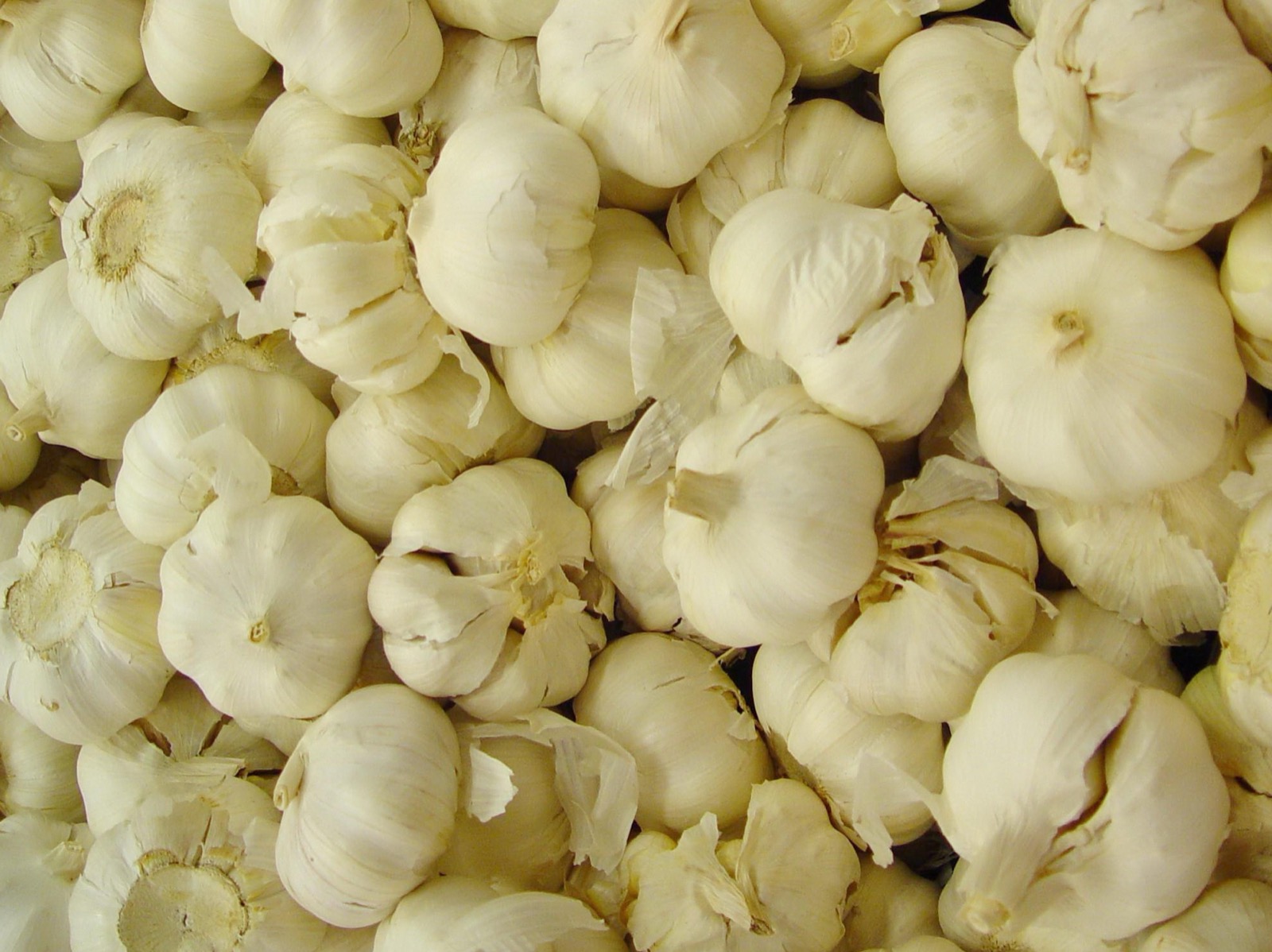
Policosanol Tablets
Tablets of sugar cane wax policosanol, a C24-C34 primary aliphatic alcohol mixture led by 1-octacosanol and profiled by GC. Bulk powder also supplied. Vegan, gluten-free, made in India.
Specifications
| Principal component | 1-Octacosanol (C28), CAS 557-61-9, C28H58O, molecular weight 410.77, melting point 83 °C |
| Other constituent alcohols | Triacontanol (C30), hexacosanol (C26), dotriacontanol (C32), tetracosanol (C24), heptacosanol, nonacosanol and tetratriacontanol; backbones span roughly C24 to C34 |
| Reference profile | Sugar cane wax policosanol runs about 66% octacosanol, 12% triacontanol and 7% hexacosanol, with the remaining minor alcohols making up the balance |
| Trade standardisation | Total policosanol 90% or 95% minimum with octacosanol declared separately, commonly 50-60% minimum. Both figures must be written into the purchase specification, not one alone |
| Assay | Total alcohol content and chain distribution by gas chromatography, GC-FID or GC-MS, with the individual C24 to C34 alcohols reported on the certificate of analysis |
| Botanical source | Saccharum officinarum sugar cane wax as standard; rice bran wax from Oryza sativa on request. The wax source is named on the certificate |
| Sources not used | Beeswax-derived policosanol is of insect origin and not vegan; wheat germ-derived material raises a gluten question. Thovek supplies the sugar cane route as standard |
| Appearance and solubility | White to off-white waxy powder or flakes. Practically insoluble in water, soluble in hot non-polar solvents; hydrophobic, low bulk density and poor flowing |
| Formulation note | Granulated with a soluble carrier before compression. Direct compression of neat policosanol gives poor content uniformity and is the usual cause of a failed pilot batch |
| Tablet build | Strength fixed by the approved formula; uncoated or film-coated with vegan-compatible coating systems available. Content uniformity, hardness and disintegration tested per lot |
| Regulatory status | WHO ATC code C10AX08. Registered as a medicine in parts of the Caribbean and Central and South America, a supplement ingredient elsewhere - confirm status per destination |
| Allergen status | No milk, egg, fish, crustacean, soy, peanut, tree nut or gluten input on the sugar cane route. Vegan and vegetarian on a vegan-compatible excipient and coating system |
| Storage and shelf life | Below 25 °C in a dry place away from direct light. 24 months from manufacture in the unopened alu-alu blister or HDPE bottle, stability data on request |
| HS code | 21069099 as finished tablets. Bulk policosanol powder classifies in 38237090 - see the classification note |
Applications
Available grades
Supplement grade tablets to a declared policosanol strength, and bulk sugar cane wax policosanol at 90% or 95% minimum total alcohols with octacosanol declared separately at 50% or 60% minimum. Rice bran wax route on request. Full GC chain distribution on every certificate. FSSAI-licensed GMP manufacture with HACCP and ISO 22000; halal and kosher documentation on request. Vegan, vegetarian and gluten-free.
Related products
Red Yeast Rice Extract Capsules
Capsules of Monascus purpureus fermented rice extract with monacolin K declared by HPLC and citrinin controlled to the EU limit per lot. Vegan, gluten-free, made in India with full export documentation.
Plant Sterols (Phytosterols)
Free plant sterol powder from vegetable oil deodoriser distillate or tall oil, with β-sitosterol, campesterol and stigmasterol profiled by GC-FID. Bulk powder, dispersible grades and capsules from India.
Omega-3 EPA/DHA Softgels
Softgels of refined fish body oil with EPA and DHA declared per capsule, 18/12 standard or concentrate fills. GOED oxidation limits, fish allergen and shell origin stated. Private label from India.