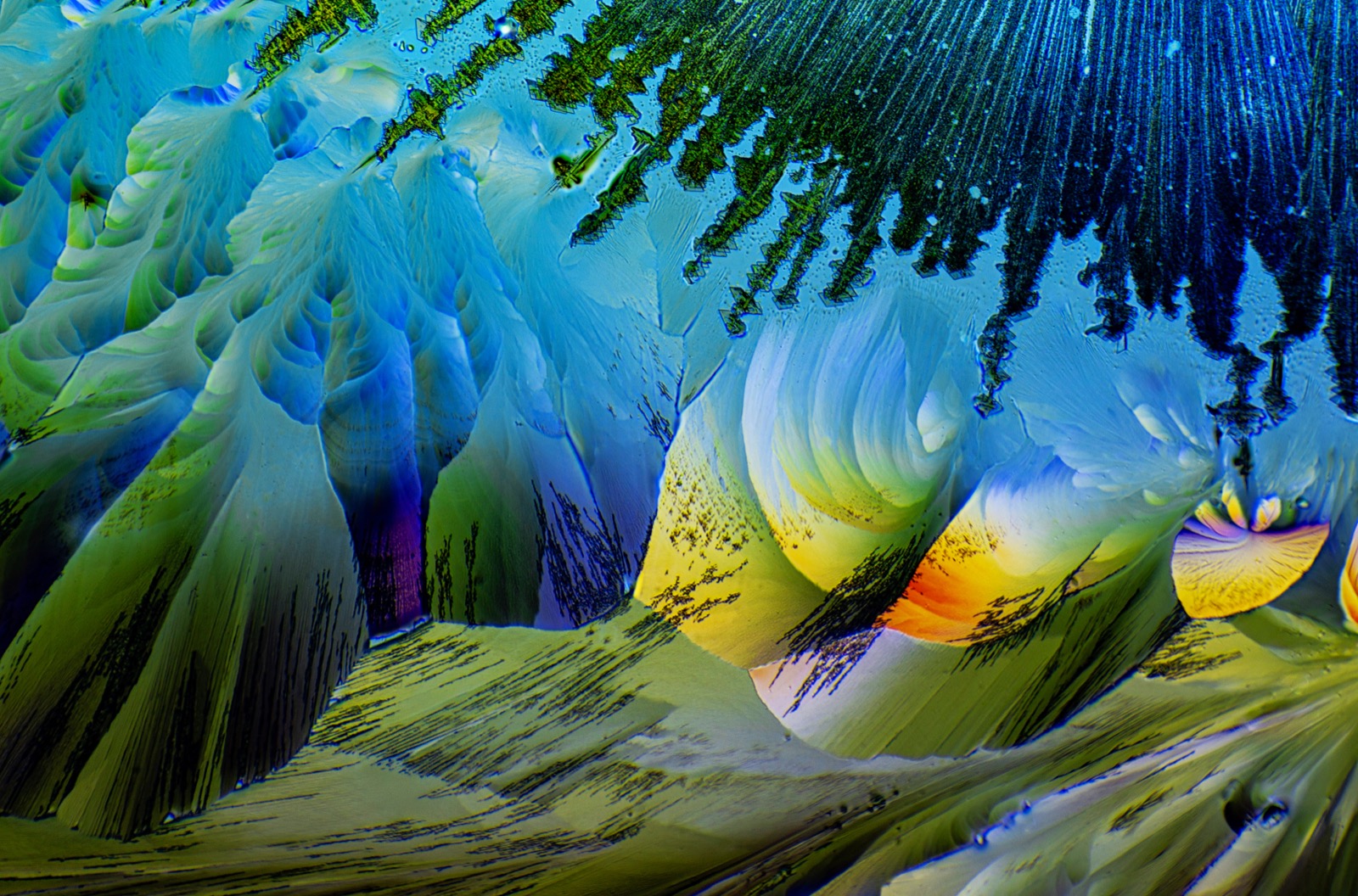
L-Tryptophan
Fermentation-derived L-Tryptophan powder, USP assay 98.5-101.5%, CAS 73-22-3. Vegan, non-animal essential amino acid for supplements, clinical nutrition, beverages, feed and cell culture.
Specifications
| Chemical name | L-Tryptophan; (S)-2-amino-3-(1H-indol-3-yl)propanoic acid |
| CAS number | 73-22-3 |
| Molecular formula | C11H12N2O2 (molecular weight 204.23 g/mol) |
| Assay | 98.5-101.5% of C11H12N2O2 on the dried basis (USP; EP and JP specifications also met) |
| Appearance | White to slightly yellowish-white crystalline powder or crystals, faintly bitter |
| Specific rotation | -29.4 to -32.8 degrees (10 mg/mL in water, USP) |
| Solubility | Soluble in water, about 11.4 g/L at 25 C (17.1 g/L at 50 C); soluble in dilute acid and alkali |
| Loss on drying / Residue on ignition | NMT 0.30% (3 h at 105 C) / NMT 0.10% |
| Heavy metals and trace limits | Heavy metals NMT 15 ppm as Pb; chloride NMT 0.05%; sulfate NMT 0.03%; iron NMT 0.003% |
| Manufacturing origin | Microbial fermentation (C. glutamicum, E. coli or Bacillus spp.); non-animal, vegan-suitable |
| Shelf life | 24 months from manufacture in unopened original packaging, stored cool, dry and away from light |
| HS code | 29339900 (India ITC-HS) — heterocyclic compounds with nitrogen hetero-atoms only, other |
Applications
Available grades
USP/EP/JP pharmacopoeial grade, FCC food grade, AJI (Japanese amino acid) grade and feed grade. Kosher, halal, non-GMO and TSE/BSE-free documentation available on request.
Related products
L-Lysine HCl (L-Lysine Monohydrochloride)
Bulk L-lysine monohydrochloride powder to USP/Ph. Eur. and food grade, assaying 98.5-101.5% on the dried basis and carrying approximately 80% lysine base. Fermentation-derived, non-animal origin.
L-Leucine
Fermentation-derived L-leucine powder to USP, Ph. Eur. and JP, assaying 98.5-101.5% on the dried basis. Supplied in bulk for BCAA blends, sports nutrition and clinical formulations.
L-Isoleucine
L-isoleucine powder to USP, Ph. Eur. and JP, assaying 98.5-101.5% on the dried basis with leucine and valine cross-isomers tightly controlled. Bulk export quantities for BCAA and clinical blends.