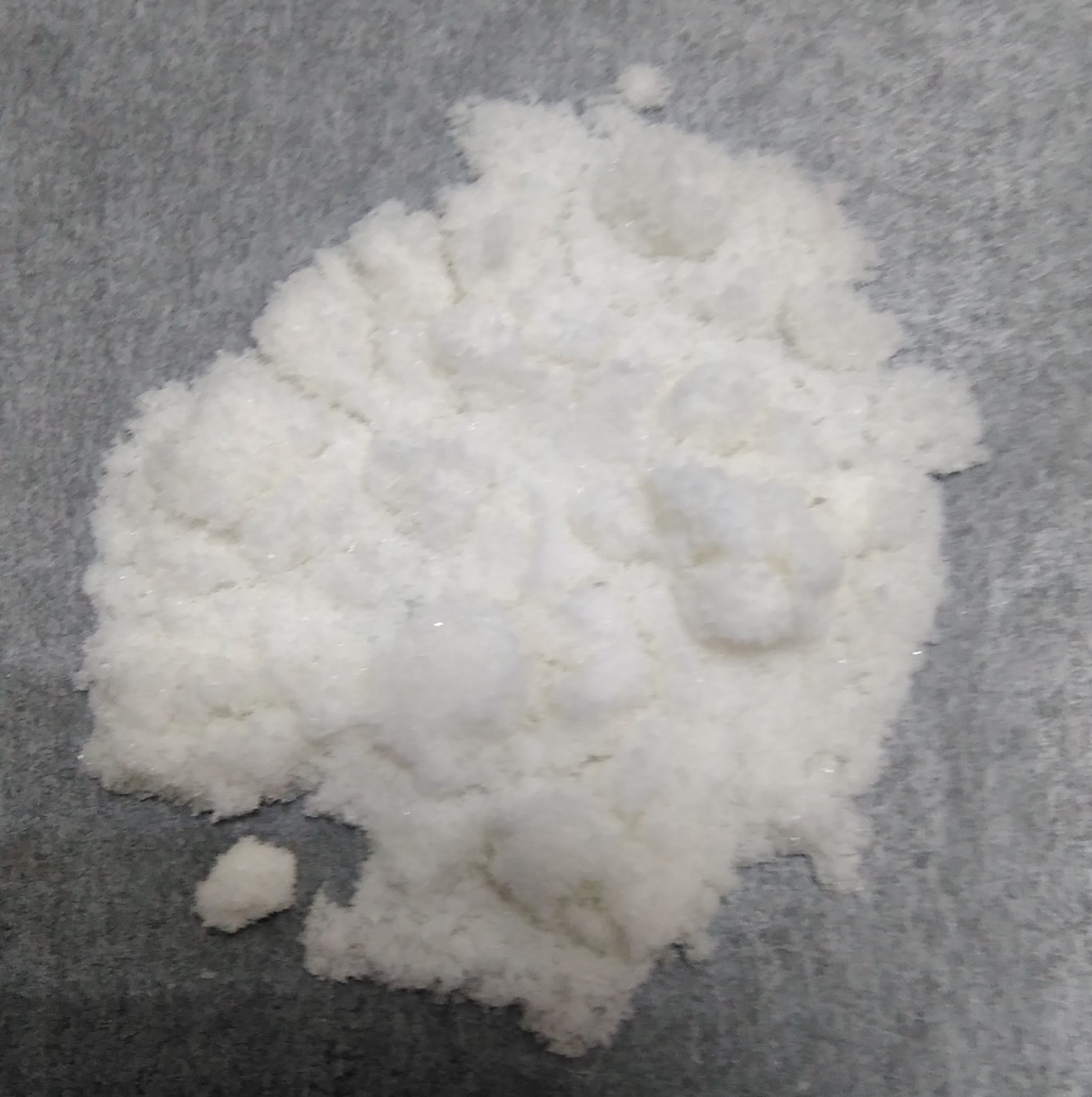
L-Serine
Fermentation-derived L-Serine powder, CAS 56-45-1, assayed 98.5-101.0% on the dried basis. Non-animal, allergen-free crystalline amino acid for nutrition and cosmetic formulation.
Specifications
| Chemical name | L-Serine; (2S)-2-amino-3-hydroxypropanoic acid |
| CAS number | 56-45-1 |
| Molecular formula / weight | C3H7NO3 / 105.09 g/mol |
| Appearance | White to off-white crystalline powder or crystals, odourless with a faintly sweet taste; melts with decomposition at approximately 228 deg C |
| Assay (dried basis) | 98.5 - 101.0 % C3H7NO3 by titration, to the Ph. Eur. and USP monograph range |
| Specific optical rotation | +13.6 deg to +16.0 deg, calculated on the dried substance, measured in dilute hydrochloric acid per Ph. Eur. conditions |
| Solubility | Freely soluble in water, approximately 425 g/L at 25 deg C; practically insoluble in ethanol and diethyl ether |
| Loss on drying / residue on ignition | Controlled to the Ph. Eur. and USP monograph limits; the measured value for each lot is stated on the batch CoA |
| Elemental impurities | Lead, arsenic, cadmium and mercury tested against ICH Q3D and monograph limits; results reported per batch |
| Source and production route | Microbial fermentation of plant-derived glucose, or enzymatic synthesis from glycine and methanol; no animal-origin raw material used |
| Allergen status | Free from milk, egg, soy, fish, crustacean, gluten, peanut and tree nut; not produced from silk sericin or any animal protein hydrolysate |
| Dietary and origin suitability | Vegan and vegetarian suitable; non-bovine, non-porcine and non-marine. Non-GMO declaration, Kosher and Halal certificates available on request |
| Shelf life and storage | Typically 24 - 36 months from manufacture in unopened original packing; store below 25 deg C, dry and out of direct sunlight |
| HS code (India) | 2922 50 90 - other amino-compounds with oxygen function; see classification note |
Applications
Available grades
Food grade (FCC), pharmaceutical grade to Ph. Eur. / USP / BP monograph, and cosmetic grade (INCI: Serine). Standard mesh is a free-flowing crystalline powder; granular and fine-milled cuts available to order. Non-GMO, Kosher and Halal certified lots on request.
Related products
L-Lysine HCl (L-Lysine Monohydrochloride)
Bulk L-lysine monohydrochloride powder to USP/Ph. Eur. and food grade, assaying 98.5-101.5% on the dried basis and carrying approximately 80% lysine base. Fermentation-derived, non-animal origin.
L-Leucine
Fermentation-derived L-leucine powder to USP, Ph. Eur. and JP, assaying 98.5-101.5% on the dried basis. Supplied in bulk for BCAA blends, sports nutrition and clinical formulations.
L-Isoleucine
L-isoleucine powder to USP, Ph. Eur. and JP, assaying 98.5-101.5% on the dried basis with leucine and valine cross-isomers tightly controlled. Bulk export quantities for BCAA and clinical blends.