L-Proline
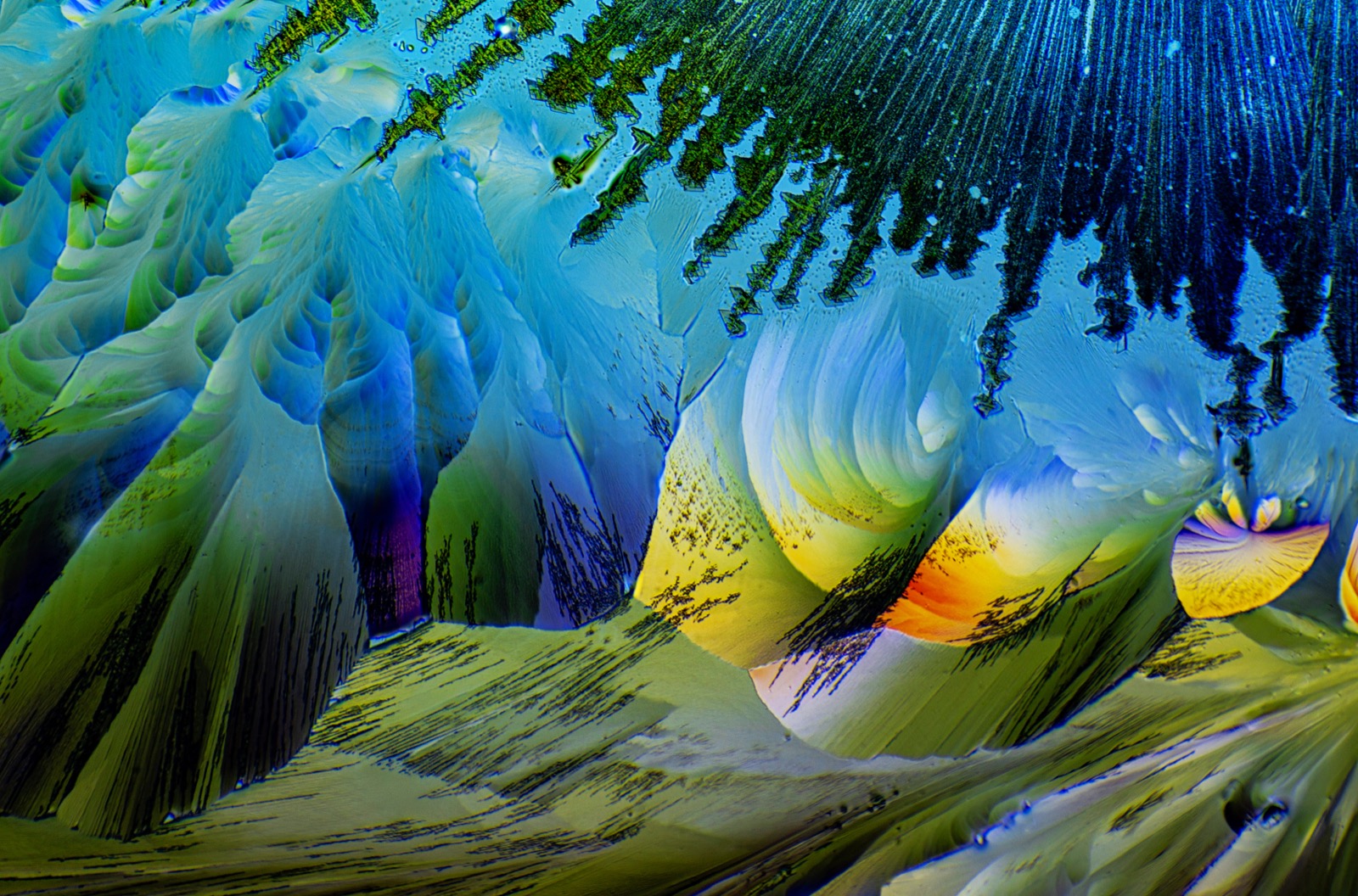
Bulk L-proline powder from microbial fermentation - the cyclic imino acid that, with glycine, forms the backbone of collagen. Ph. Eur./USP grade, exported from India by Thovek.
Specifications
| Chemical name | L-Proline; (2S)-pyrrolidine-2-carboxylic acid (a cyclic imino acid) |
| CAS number | 147-85-3 |
| Molecular formula | C5H9NO2 (molecular weight 115.13) |
| Assay | 99.0-101.0% on the dried substance (Ph. Eur./USP/JP), by perchloric acid titration |
| Specific rotation | -84.0° to -86.0° (Ph. Eur.), 40 g/L in water, calculated on the dried substance |
| Appearance | White to off-white crystals or crystalline powder; hygroscopic; melts about 228 °C with decomposition |
| Solubility | Very soluble in water, about 162 g/100 mL at 25 °C; pKa 1.95 and 10.64 at 25 °C |
| Origin | Microbial fermentation on plant-derived glucose using Corynebacterium glutamicum; non-animal, vegan |
| Purity controls | Loss on drying, sulphated ash, chloride, sulfate, ammonium and heavy metals to Ph. Eur./USP limits |
| Particle size | Standard crystalline powder; milled to customer mesh specification on request |
| Shelf life | 24 months unopened in original moisture-barrier packaging; store cool, dry and tightly closed |
| HS code | 29339900 (India ITC-HS) - heterocyclic compounds with nitrogen hetero-atom(s) only, Other: Other |
Applications
Available grades
Ph. Eur., USP and JP pharmaceutical grade; AJI food grade; cell-culture grade with endotoxin and bioburden control. Fermentation origin, vegan and non-animal declarations issued with every specification sheet.
Related products
L-Lysine HCl (L-Lysine Monohydrochloride)
Bulk L-lysine monohydrochloride powder to USP/Ph. Eur. and food grade, assaying 98.5-101.5% on the dried basis and carrying approximately 80% lysine base. Fermentation-derived, non-animal origin.
L-Leucine
Fermentation-derived L-leucine powder to USP, Ph. Eur. and JP, assaying 98.5-101.5% on the dried basis. Supplied in bulk for BCAA blends, sports nutrition and clinical formulations.
L-Isoleucine
L-isoleucine powder to USP, Ph. Eur. and JP, assaying 98.5-101.5% on the dried basis with leucine and valine cross-isomers tightly controlled. Bulk export quantities for BCAA and clinical blends.