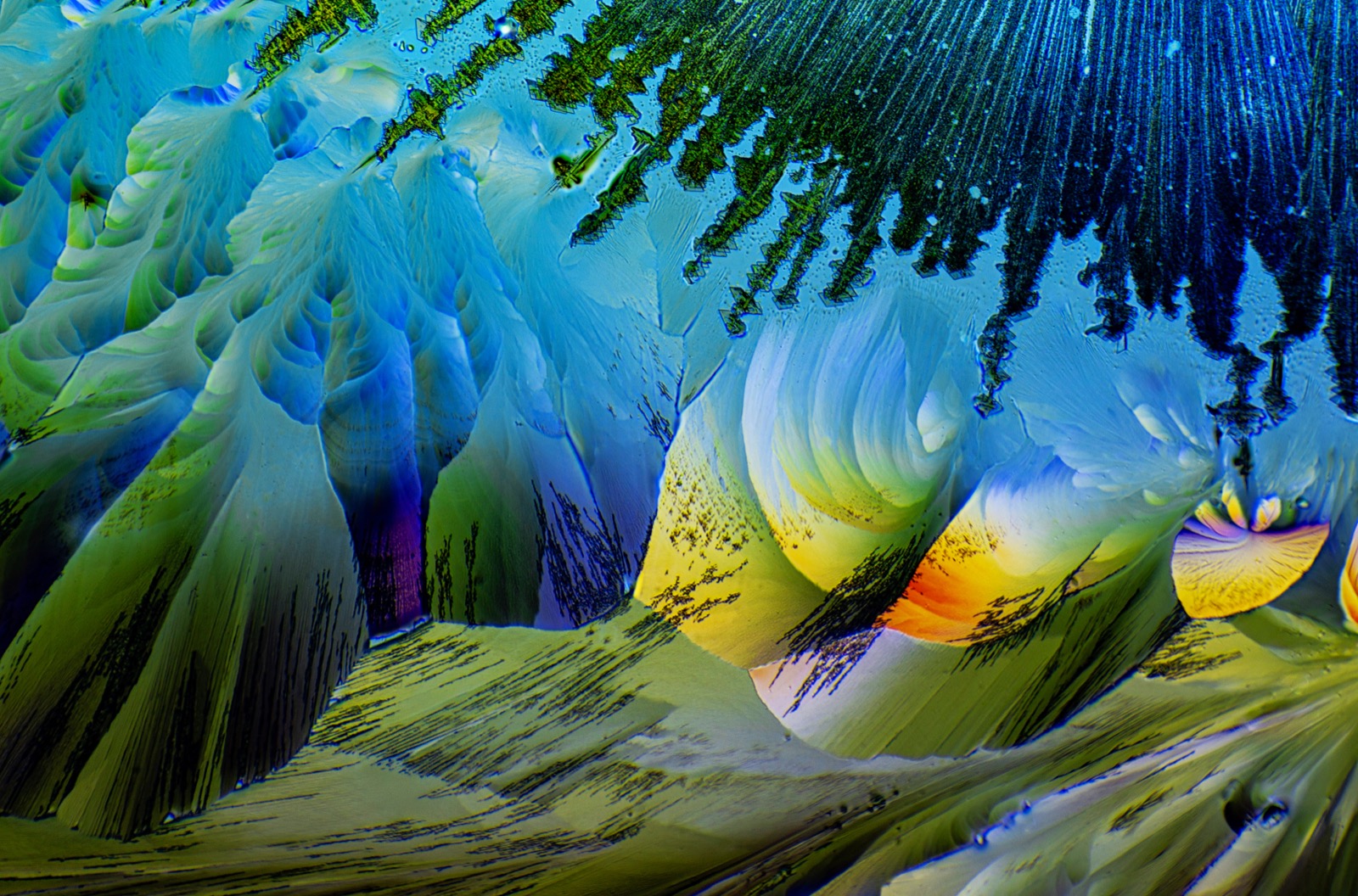
L-Phenylalanine
Essential aromatic amino acid produced by E. coli fermentation and the metabolic precursor of L-tyrosine. USP, EP and FCC grades for supplements, aspartame and clinical nutrition. 25 kg packs.
Specifications
| Chemical name | (2S)-2-Amino-3-phenylpropanoic acid (L-phenylalanine) |
| CAS number | 63-91-2 |
| Molecular formula | C9H11NO2, MW 165.19 |
| Assay | 98.5–101.5% dried basis (USP and FCC); 98.5–101.0% dried substance (Ph. Eur.) |
| Specific rotation | −32.7° to −34.7° at 20 mg/mL in water (USP); −33.0° to −35.5° dried substance (Ph. Eur.) |
| Appearance | White or almost white crystalline powder, or shiny white flakes; melts with decomposition near 283 °C |
| Solubility | Sparingly soluble in water, very slightly soluble in ethanol 96%; dissolves in dilute mineral acids and alkali |
| Loss on drying / heavy metals | LOD NMT 0.3% (105 °C, 3 h) and ROI NMT 0.4% per USP; FCC lead NMT 5 mg/kg; Ph. Eur. iron NMT 10 ppm |
| Particle size | Standard cut passes 40 mesh (425 µm); 60 mesh (250 µm) and 80 mesh (180 µm) cuts to order |
| Origin / process | Fed-batch fermentation with engineered Escherichia coli — non-animal origin, vegan-suitable |
| Shelf life | 24 months from manufacture in unopened original packaging, stored below 25 °C away from moisture |
| HS code | 29224990 (India ITC-HS) — other amino-acids with one kind of oxygen function |
Applications
Available grades
USP, Ph. Eur./BP and JP pharmacopoeial grade; FCC food grade; aspartame-precursor grade to sweetener-maker specification; feed grade. Kosher, Halal, non-GMO, vegan and TSE/BSE-free declarations issued per lot.
Related products
L-Lysine HCl (L-Lysine Monohydrochloride)
Bulk L-lysine monohydrochloride powder to USP/Ph. Eur. and food grade, assaying 98.5-101.5% on the dried basis and carrying approximately 80% lysine base. Fermentation-derived, non-animal origin.
L-Leucine
Fermentation-derived L-leucine powder to USP, Ph. Eur. and JP, assaying 98.5-101.5% on the dried basis. Supplied in bulk for BCAA blends, sports nutrition and clinical formulations.
L-Isoleucine
L-isoleucine powder to USP, Ph. Eur. and JP, assaying 98.5-101.5% on the dried basis with leucine and valine cross-isomers tightly controlled. Bulk export quantities for BCAA and clinical blends.