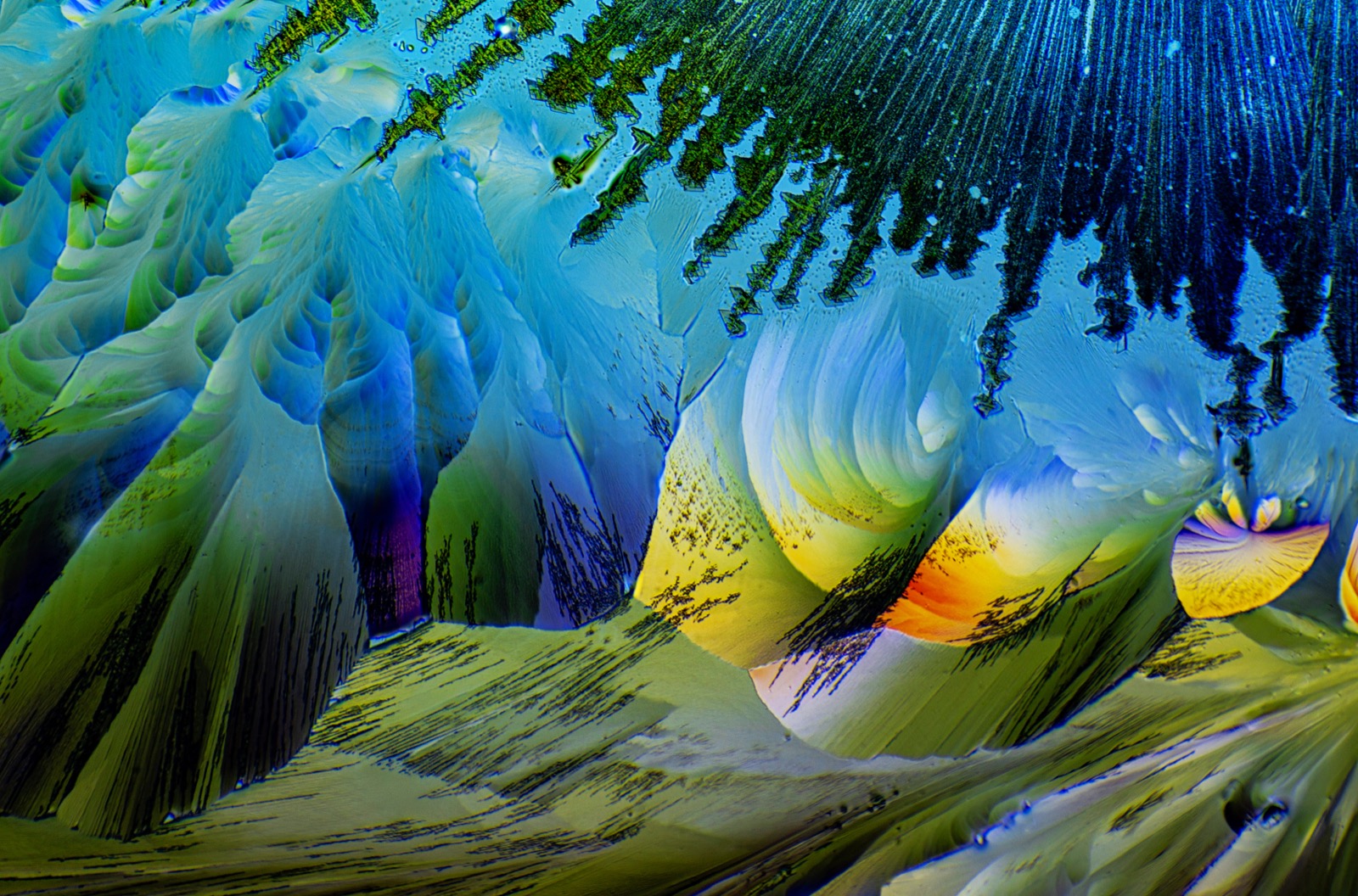
L-Methionine
Bulk L-methionine powder to USP specification - the sulfur-bearing essential amino acid behind SAM and cysteine synthesis. Non-animal origin, exported from India by Thovek.
Specifications
| Chemical name | L-Methionine; (2S)-2-amino-4-(methylsulfanyl)butanoic acid |
| CAS number | 63-68-3 |
| Molecular formula | C5H11NO2S (molecular weight 149.21) |
| Assay | 98.5-101.5% as L-methionine on the dried basis (USP), by perchloric acid titration |
| Specific rotation | +22.4° to +24.7° (USP), measured at 20 mg/mL in 6 N hydrochloric acid |
| Appearance | White flaky crystals or crystalline powder, characteristic sulfurous odour; melts 280-281 °C (dec.) |
| Solubility | Soluble in water, about 5.7 g/100 mL at 25 °C; readily soluble in dilute acids and alkalis |
| Origin | Microbial fermentation, or resolved from synthetic DL-methionine; no animal-derived raw materials |
| Purity controls | Chloride, sulfate, iron, heavy metals and ICH Q3D elemental impurities to USP limits; batch data on CoA |
| Particle size | Standard crystalline powder; milled and sieved cuts to customer mesh specification on request |
| Shelf life | 24 months unopened in original packaging; store cool, dry and protected from light |
| HS code | 29304000 (India ITC-HS) - Methionine, under heading 2930 organo-sulphur compounds |
Applications
Available grades
USP, Ph. Eur. and JP pharmaceutical grade; FCC and AJI food grade; feed grade. Fermentation-derived or DL-resolved route declared on every specification sheet, with vegan and allergen statements available.
Related products
L-Lysine HCl (L-Lysine Monohydrochloride)
Bulk L-lysine monohydrochloride powder to USP/Ph. Eur. and food grade, assaying 98.5-101.5% on the dried basis and carrying approximately 80% lysine base. Fermentation-derived, non-animal origin.
L-Leucine
Fermentation-derived L-leucine powder to USP, Ph. Eur. and JP, assaying 98.5-101.5% on the dried basis. Supplied in bulk for BCAA blends, sports nutrition and clinical formulations.
L-Isoleucine
L-isoleucine powder to USP, Ph. Eur. and JP, assaying 98.5-101.5% on the dried basis with leucine and valine cross-isomers tightly controlled. Bulk export quantities for BCAA and clinical blends.