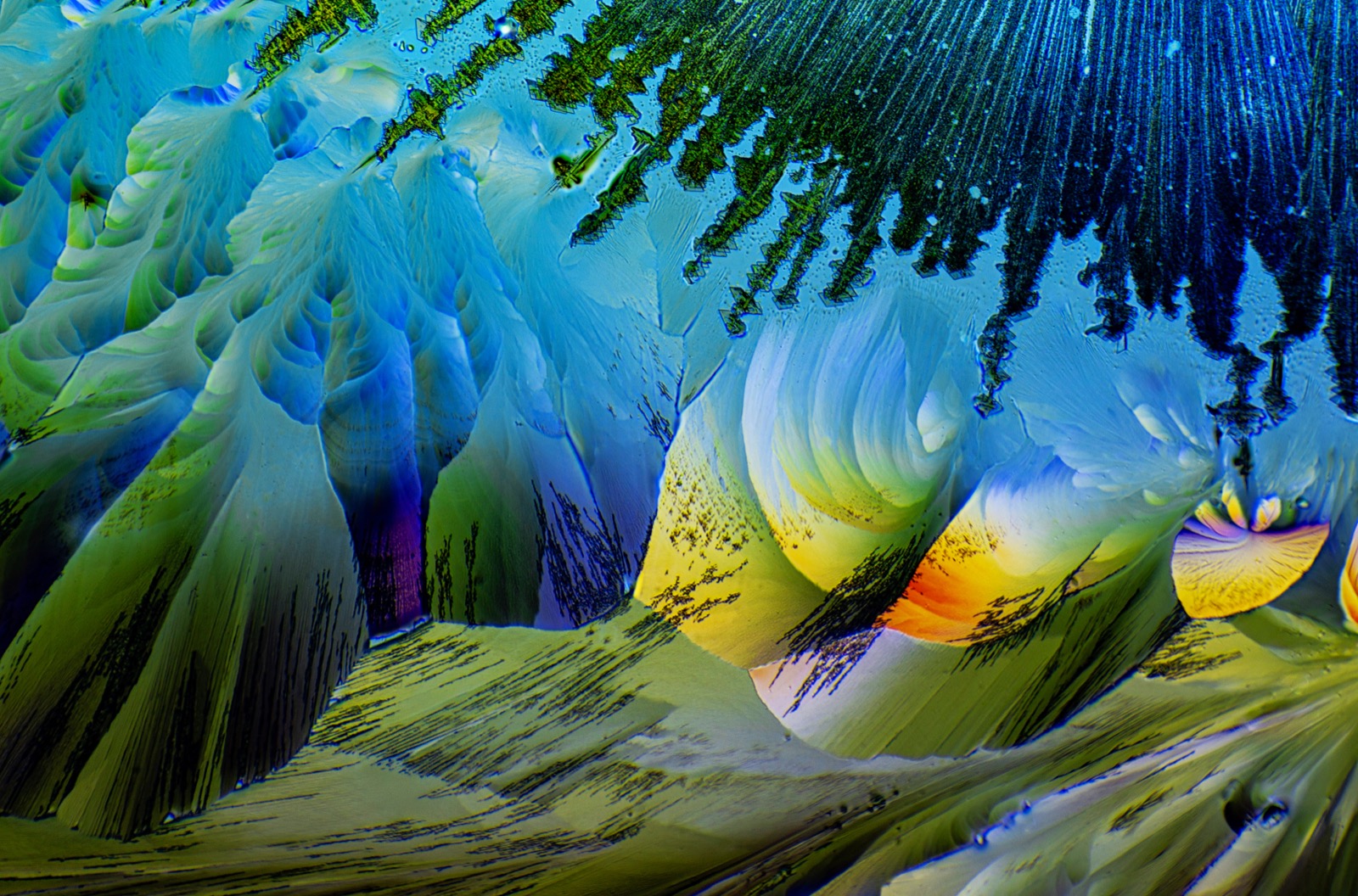
L-Histidine
Essential amino acid with an imidazole side chain, made by Corynebacterium fermentation. USP, EP and FCC grades for nutrition, infusion, biologics buffering and cell culture. 25 kg export packs.
Specifications
| Chemical name | (2S)-2-Amino-3-(1H-imidazol-4-yl)propanoic acid (L-histidine) |
| CAS number | 71-00-1 (free base); 5934-29-2 (L-histidine monohydrochloride monohydrate) |
| Molecular formula | C6H9N3O2, MW 155.15; hydrochloride monohydrate C6H9N3O2·HCl·H2O |
| Assay | NLT 98.5% and NMT 101.5% of C6H9N3O2 on the dried basis (USP monograph) |
| Specific rotation | +12.6° to +14.0° at 110 mg/mL in 6 N hydrochloric acid (USP) |
| Appearance | White to off-white crystalline powder, odourless, slightly bitter; melts with decomposition at 277–288 °C |
| Solubility | Soluble in water (about 41.9 g/L at 25 °C); very slightly soluble in ethanol; insoluble in ether |
| Loss on drying / heavy metals | LOD NMT 0.2% (105 °C, 3 h); residue on ignition NMT 0.4%; heavy metals NMT 0.0015% as Pb (USP) |
| Particle size | Standard cut passes 40 mesh (425 µm); 60 mesh (250 µm) and 80 mesh (180 µm) cuts to order |
| Origin / process | Submerged fermentation with Corynebacterium glutamicum — non-animal origin, vegan-suitable |
| Shelf life | 24 months from manufacture in unopened original packaging, stored below 25 °C away from moisture |
| HS code | 29332990 (India ITC-HS) — heterocyclic compound with an unfused imidazole ring |
Applications
Available grades
USP, Ph. Eur./BP, JP and FCC food grade as the free base; L-histidine monohydrochloride monohydrate to USP/EP; feed grade. Cell-culture-suitable and low-endotoxin cuts against a firm specification. Kosher, Halal, non-GMO, vegan and TSE/BSE-free declarations per lot.
Related products
L-Lysine HCl (L-Lysine Monohydrochloride)
Bulk L-lysine monohydrochloride powder to USP/Ph. Eur. and food grade, assaying 98.5-101.5% on the dried basis and carrying approximately 80% lysine base. Fermentation-derived, non-animal origin.
L-Leucine
Fermentation-derived L-leucine powder to USP, Ph. Eur. and JP, assaying 98.5-101.5% on the dried basis. Supplied in bulk for BCAA blends, sports nutrition and clinical formulations.
L-Isoleucine
L-isoleucine powder to USP, Ph. Eur. and JP, assaying 98.5-101.5% on the dried basis with leucine and valine cross-isomers tightly controlled. Bulk export quantities for BCAA and clinical blends.