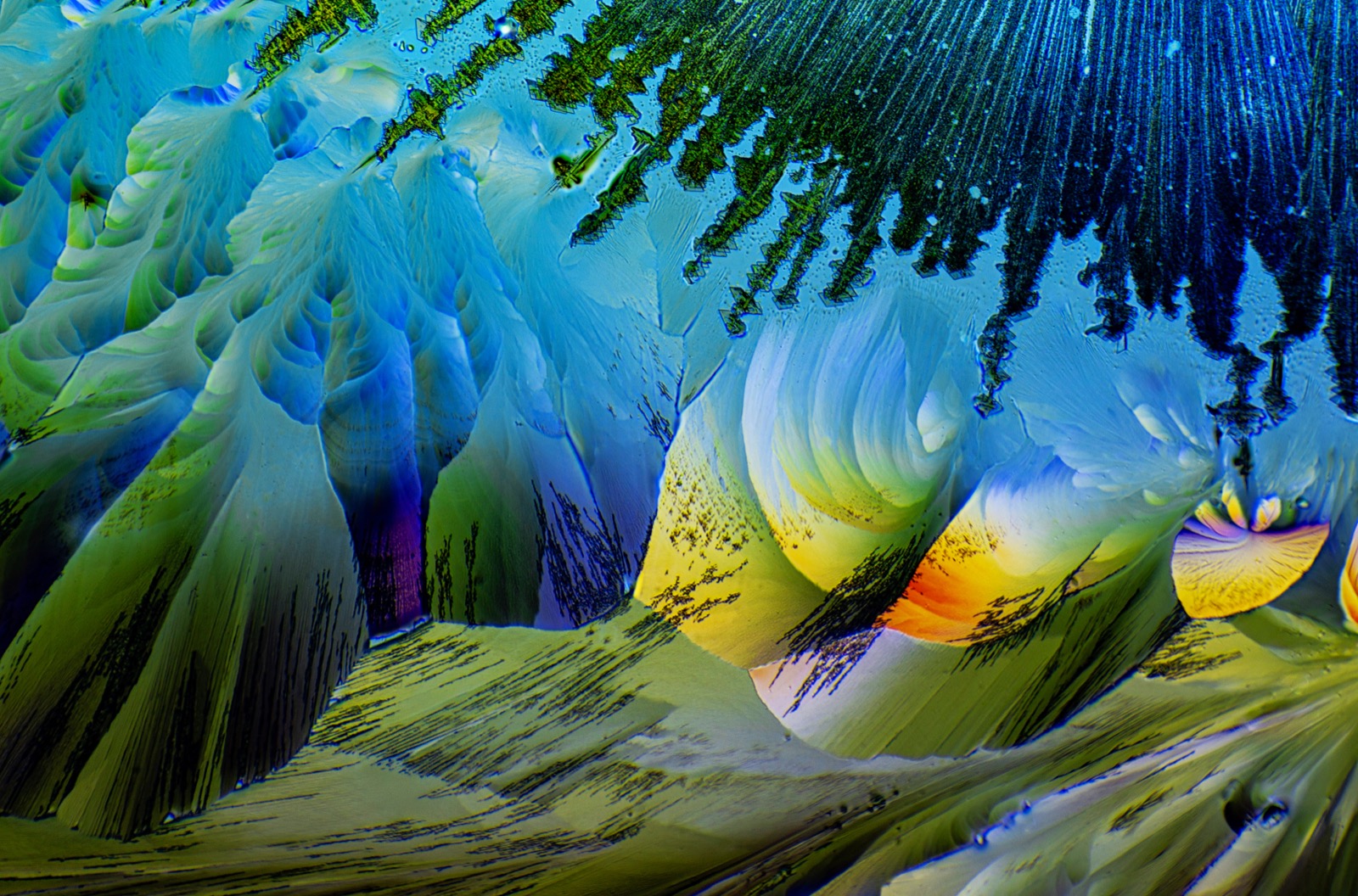
L-Glycine
Bulk glycine powder to USP, EP and FCC specification - the simplest amino acid, the most abundant residue in collagen, and non-animal in origin. Exported from India by Thovek.
Specifications
| Chemical name | Glycine (aminoacetic acid); achiral, so "L-glycine" and glycine denote the same substance |
| CAS number | 56-40-6 |
| Molecular formula | C2H5NO2 (molecular weight 75.07) |
| Assay | 98.5-101.5% on the dried basis (USP); 98.5-101.0% (Ph. Eur.), by non-aqueous titration |
| Appearance | White, odourless crystalline powder or granules with a characteristically sweet taste |
| Solubility | About 250 g/L in water at 25 °C; practically insoluble in ethanol and diethyl ether |
| Loss on drying | Max 0.2% (USP); max 0.5% when dried at 105 °C for 2 h (Ph. Eur.) |
| Heavy metals & ash | Heavy metals max 20 ppm, arsenic max 1 ppm (USP); residue on ignition / sulphated ash max 0.1% |
| Manufacturing route | Chemical synthesis - ammonolysis of monochloroacetic acid, or Strecker/hydantoin route; non-animal |
| Particle size | Standard powder passes 40 mesh; 60, 80 and 100 mesh cuts and granular grades made to order |
| Shelf life | 36 months from manufacture in unopened original packaging; store cool, dry and away from moisture |
| HS code | 29224910 (India ITC-HS) - amino acetic acid (glycine), heading 2922 |
Applications
Available grades
USP/BP/Ph. Eur. pharmaceutical grade; FCC food grade; feed grade; technical and industrial grade. Vegetarian, vegan, Kosher and Halal statements available; ICH Q3D elemental impurity data on request.
Related products
L-Lysine HCl (L-Lysine Monohydrochloride)
Bulk L-lysine monohydrochloride powder to USP/Ph. Eur. and food grade, assaying 98.5-101.5% on the dried basis and carrying approximately 80% lysine base. Fermentation-derived, non-animal origin.
L-Leucine
Fermentation-derived L-leucine powder to USP, Ph. Eur. and JP, assaying 98.5-101.5% on the dried basis. Supplied in bulk for BCAA blends, sports nutrition and clinical formulations.
L-Isoleucine
L-isoleucine powder to USP, Ph. Eur. and JP, assaying 98.5-101.5% on the dried basis with leucine and valine cross-isomers tightly controlled. Bulk export quantities for BCAA and clinical blends.