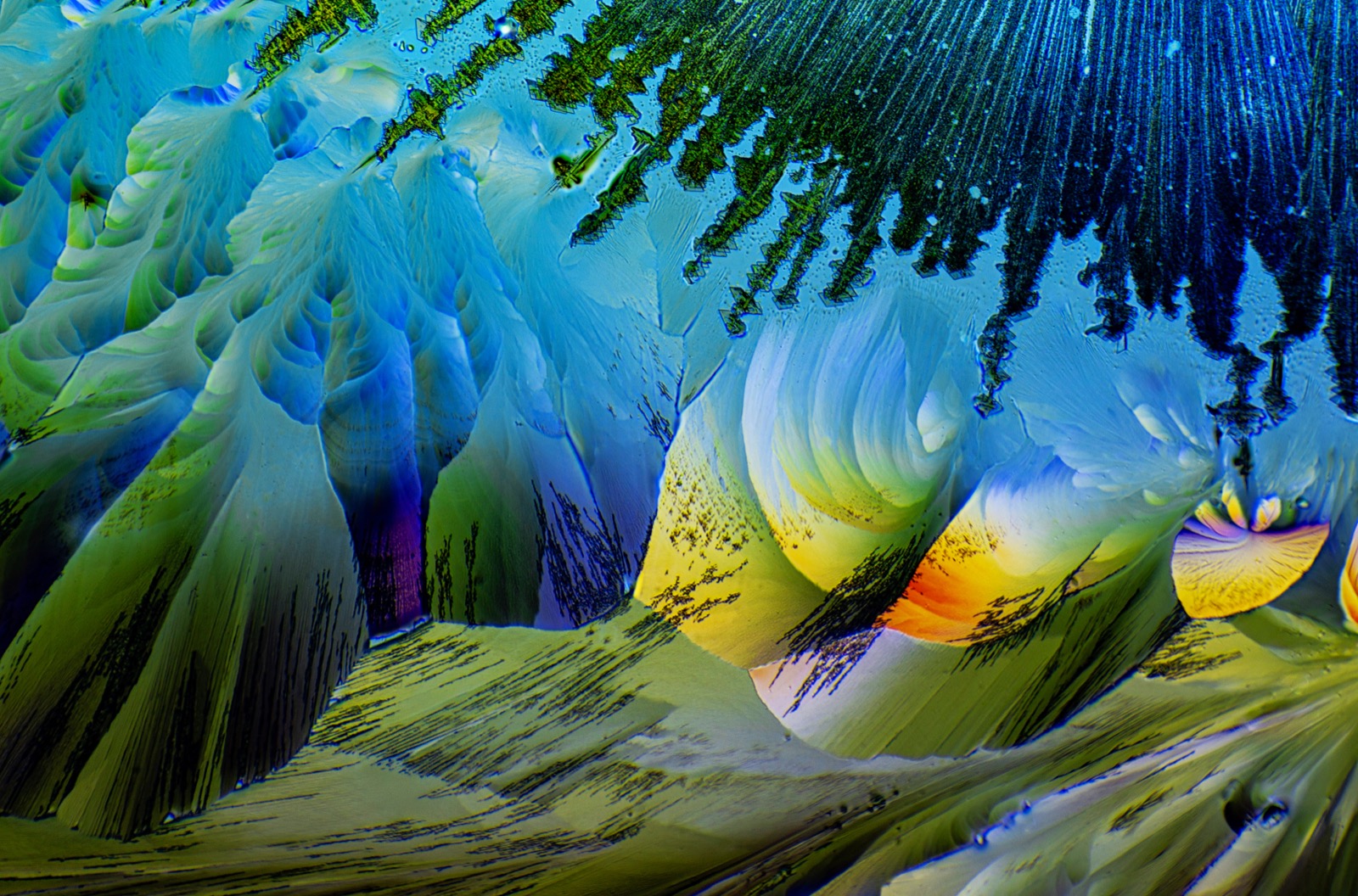
L-Carnitine tartrate
L-Carnitine tartrate is the stable, low-hygroscopicity tartrate salt of levocarnitine, carrying about 68% L-carnitine by weight. A free-flowing white powder for capsules, tablets and drink mixes.
Specifications
| Chemical name | L-Carnitine L-tartrate (levocarnitine tartrate), the 2:1 salt of levocarnitine with L-(+)-tartaric acid |
| CAS number | 36687-82-8 (levocarnitine free base: 541-15-1) |
| Molecular formula | (C7H15NO3)2 · C4H6O6, i.e. C18H36N2O12; molecular weight 472.48 |
| Assay | L-carnitine 67.2-69.2%; L-tartaric acid 30.8-32.8% (nominal 68:32 by weight) |
| Appearance | White to off-white crystalline powder, practically odourless |
| Solubility | Freely soluble in water; levocarnitine free base is reported at 2,500 g/L at 20 degrees C |
| Specific rotation | [a]D20 -9.5 to -11.0 degrees (10% w/v in water) |
| pH and moisture | pH 3.0 to 4.5 (5% w/v aqueous solution); moisture / loss on drying 0.5% maximum |
| Purity limits | Heavy metals 10 ppm max; arsenic 1 ppm max; residue on ignition 0.5% max; chloride 0.4% max |
| Particle size | Standard 95% through 80 mesh (approx. 177 microns); coarser granular grades on request |
| Shelf life | 24 months from manufacture in unopened original packaging, stored below 25 degrees C |
| HS code | 29239000 (India ITC-HS) - quaternary ammonium salts and hydroxides, other |
Applications
Available grades
Food and nutraceutical grade (FCC-referenced; an L-Carnitine L-Tartrate monograph was added in the first supplement to FCC 10), pharmaceutical grade, and feed grade (EU feed additive 3a911, minimum 97% as-is). Regular powder and coarse granular grades.
Related products
L-Lysine HCl (L-Lysine Monohydrochloride)
Bulk L-lysine monohydrochloride powder to USP/Ph. Eur. and food grade, assaying 98.5-101.5% on the dried basis and carrying approximately 80% lysine base. Fermentation-derived, non-animal origin.
L-Leucine
Fermentation-derived L-leucine powder to USP, Ph. Eur. and JP, assaying 98.5-101.5% on the dried basis. Supplied in bulk for BCAA blends, sports nutrition and clinical formulations.
L-Isoleucine
L-isoleucine powder to USP, Ph. Eur. and JP, assaying 98.5-101.5% on the dried basis with leucine and valine cross-isomers tightly controlled. Bulk export quantities for BCAA and clinical blends.