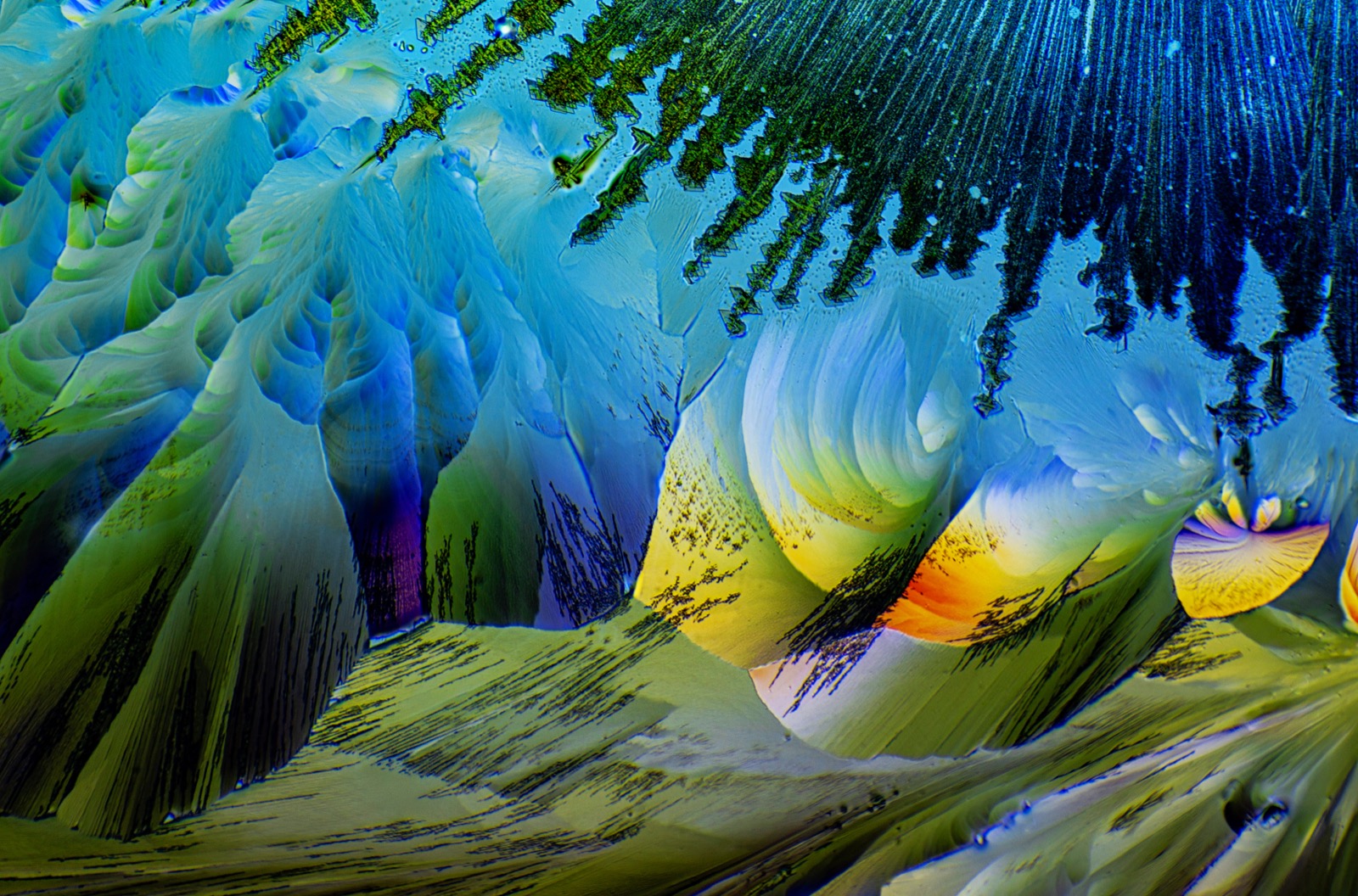
GABA (Gamma-aminobutyric acid)
Bulk GABA powder, 99.0–101.0% food grade, made by Lactobacillaceae fermentation. Vegan and non-animal, for capsules, gummies and functional beverage powders.
Specifications
| Chemical name | 4-Aminobutanoic acid (gamma-aminobutyric acid) — a non-proteinogenic amino acid |
| CAS number | 56-12-2 |
| Molecular formula | C4H9NO2 — molecular weight 103.12 g/mol |
| Assay | 99.0–101.0% by HPLC on the food-grade specification |
| Appearance | White crystals or white microcrystalline powder; melting point about 204 °C |
| Solubility | Freely soluble in water, of the order of 1,300 g/L; hygroscopic, so keep containers sealed |
| Particle size | Approximately 95% through 40 mesh; bulk density 0.40–0.55 g/mL, tapped 0.50–0.68 g/mL |
| Loss on drying | Not more than 5.0% — the wide limit reflects how readily GABA takes up atmospheric moisture |
| Heavy metals and micro | Pb NMT 0.5, As NMT 2.0, Cd NMT 0.2, Hg NMT 0.1 ppm; TPC NMT 1,000 cfu/g; Salmonella and E. coli absent |
| Origin and process | Lactobacillaceae fermentation — glutamate decarboxylase acting on L-glutamic acid; vegan, non-animal |
| Shelf life | 24 months from manufacture in unopened original packaging, stored cool, dry and sealed against humidity |
| HS code | 29224990 (India ITC-HS) — oxygen-function amino-compounds: other amino-acids, other |
Applications
Available grades
Food grade 99% by fermentation as standard, plus feed grade and agricultural grade. 20% dilutions on a food-grade carrier available for direct blending.
Related products
L-Lysine HCl (L-Lysine Monohydrochloride)
Bulk L-lysine monohydrochloride powder to USP/Ph. Eur. and food grade, assaying 98.5-101.5% on the dried basis and carrying approximately 80% lysine base. Fermentation-derived, non-animal origin.
L-Leucine
Fermentation-derived L-leucine powder to USP, Ph. Eur. and JP, assaying 98.5-101.5% on the dried basis. Supplied in bulk for BCAA blends, sports nutrition and clinical formulations.
L-Isoleucine
L-isoleucine powder to USP, Ph. Eur. and JP, assaying 98.5-101.5% on the dried basis with leucine and valine cross-isomers tightly controlled. Bulk export quantities for BCAA and clinical blends.