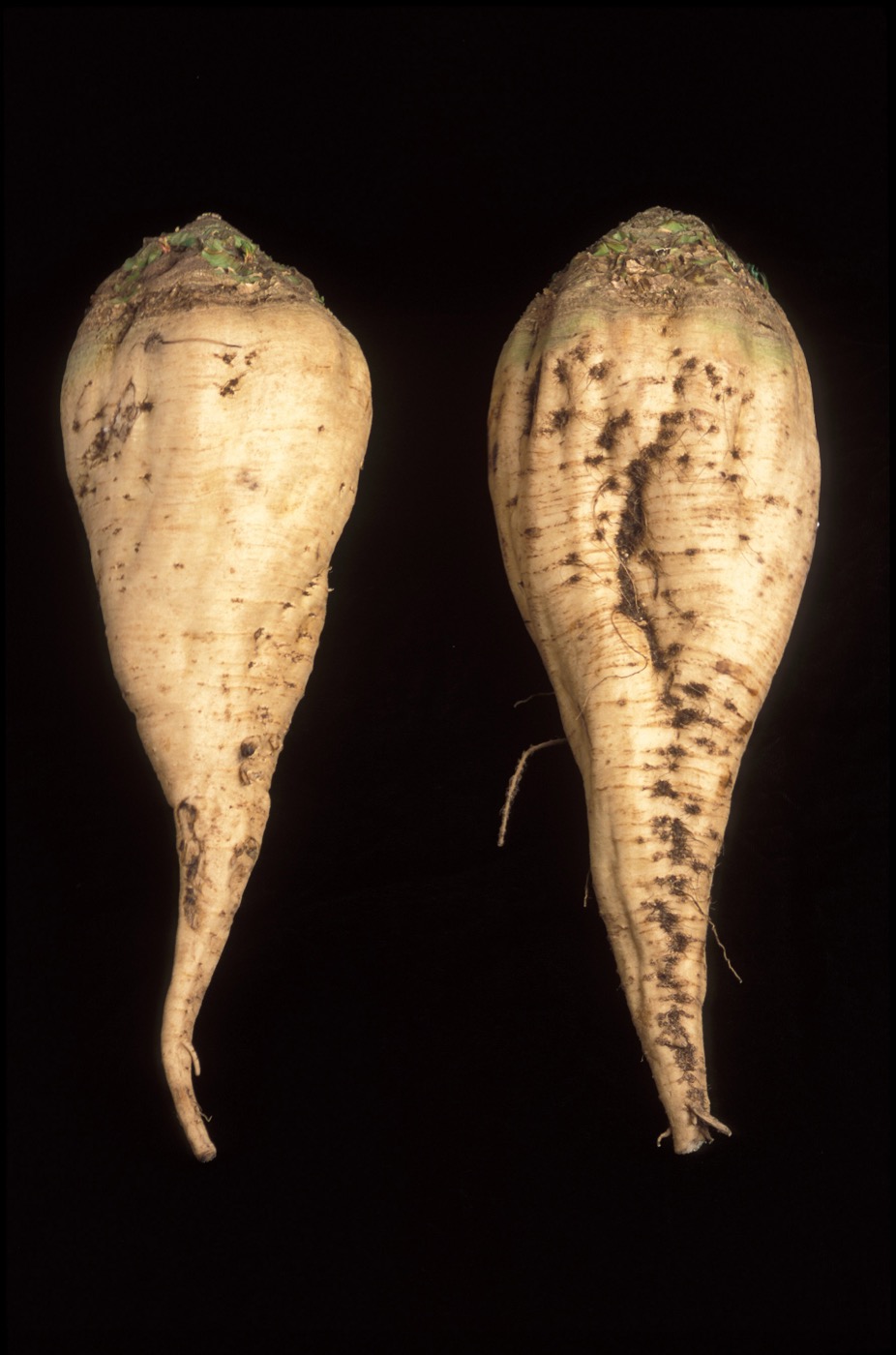
Betaine anhydrous (TMG)
Bulk betaine anhydrous (trimethylglycine), CAS 107-43-7, assay 99 % minimum on the dried basis. A plant-derived methyl donor and osmolyte, freely water-soluble, supplied to sports and food formulators.
Specifications
| Chemical name | N,N,N-Trimethylglycine; betaine anhydrous; glycine betaine; TMG — a quaternary ammonium inner salt |
| CAS number | 107-43-7 (betaine anhydrous). Betaine hydrochloride is a separate article at CAS 590-46-5 |
| Molecular formula | C5H11NO2 — 117.15 g/mol; zwitterionic, with a permanently charged trimethylated nitrogen |
| Assay (dried basis) | 99.0 % minimum by HPLC or titration; matches the EU novel food purity criterion of not less than 99 % on dry matter |
| Appearance | White to off-white odourless crystals or crystalline powder with a characteristic sweet taste |
| Loss on drying and ash | Moisture 2.0 % maximum for the anhydrous grade (the monohydrate carries up to 15 %); ash 0.1 % maximum |
| Solubility in water | Approx. 160 g per 100 mL — freely soluble; also soluble in methanol, sparingly soluble in ether |
| Melting point | Approx. 293 °C with decomposition; isomerises to methyl dimethylaminoacetate above the melting point |
| Hygroscopicity | Strongly hygroscopic and deliquescent — handle below 40 % RH, pack in foil laminate with desiccant, avoid prolonged open weighing |
| Heavy metals | Arsenic below 0.1 mg/kg, lead below 0.05 mg/kg, cadmium below 0.01 mg/kg per the EU novel food specification |
| Origin and allergen status | Non-GM sugar beet (Beta vulgaris subsp. vulgaris) molasses or synthetic route; vegan and vegetarian. No milk, egg, soy, fish, crustacean, gluten or nut inputs |
| Related forms | Betaine hydrochloride, C5H11NO2·HCl, 153.61 g/mol, approx. 76 % betaine base — acidic and not interchangeable with the anhydrous base |
| Shelf life and storage | 24 months from manufacture in unopened original packaging, stored cool, dry and below 25 °C, away from strong oxidising agents |
| HS code (India ITC-HS) | 2923 90 00 — quaternary ammonium salts and hydroxides, other; not the 2922 50 90 carried on the source sheet |
Applications
Available grades
Food and nutraceutical grade at 99 % minimum, supplied against manufacturer's specification; beet-derived (non-GM) and synthetic routes both available, plus feed grade at 96–98 % where the buyer needs it. Vegan, non-GMO, kosher and halal certification on request.
Related products

L-Lysine HCl (L-Lysine Monohydrochloride)
Bulk L-lysine monohydrochloride powder to USP/Ph. Eur. and food grade, assaying 98.5-101.5% on the dried basis and carrying approximately 80% lysine base. Fermentation-derived, non-animal origin.
L-Leucine
Fermentation-derived L-leucine powder to USP, Ph. Eur. and JP, assaying 98.5-101.5% on the dried basis. Supplied in bulk for BCAA blends, sports nutrition and clinical formulations.
L-Isoleucine
L-isoleucine powder to USP, Ph. Eur. and JP, assaying 98.5-101.5% on the dried basis with leucine and valine cross-isomers tightly controlled. Bulk export quantities for BCAA and clinical blends.