Vitamin B7 (Biotin)
D-Biotin · C10H16N2O3S
Pharmacopoeial-grade D-biotin powder for supplement, fortification and feed use. Supplied as neat crystalline material or as 1% and 2% triturations for accurate low-dose blending.
Specifications
| Chemical name | D-Biotin (vitamin H); 5-[(3aS,4S,6aR)-2-oxohexahydro-1H-thieno[3,4-d]imidazol-4-yl]pentanoic acid |
| CAS number | 58-85-5 |
| Molecular formula | C10H16N2O3S (molecular weight 244.31) |
| Assay | 97.5-102.0% USP (dried basis); 98.5-101.0% Ph. Eur./BP; 97.5-100.5% FCC |
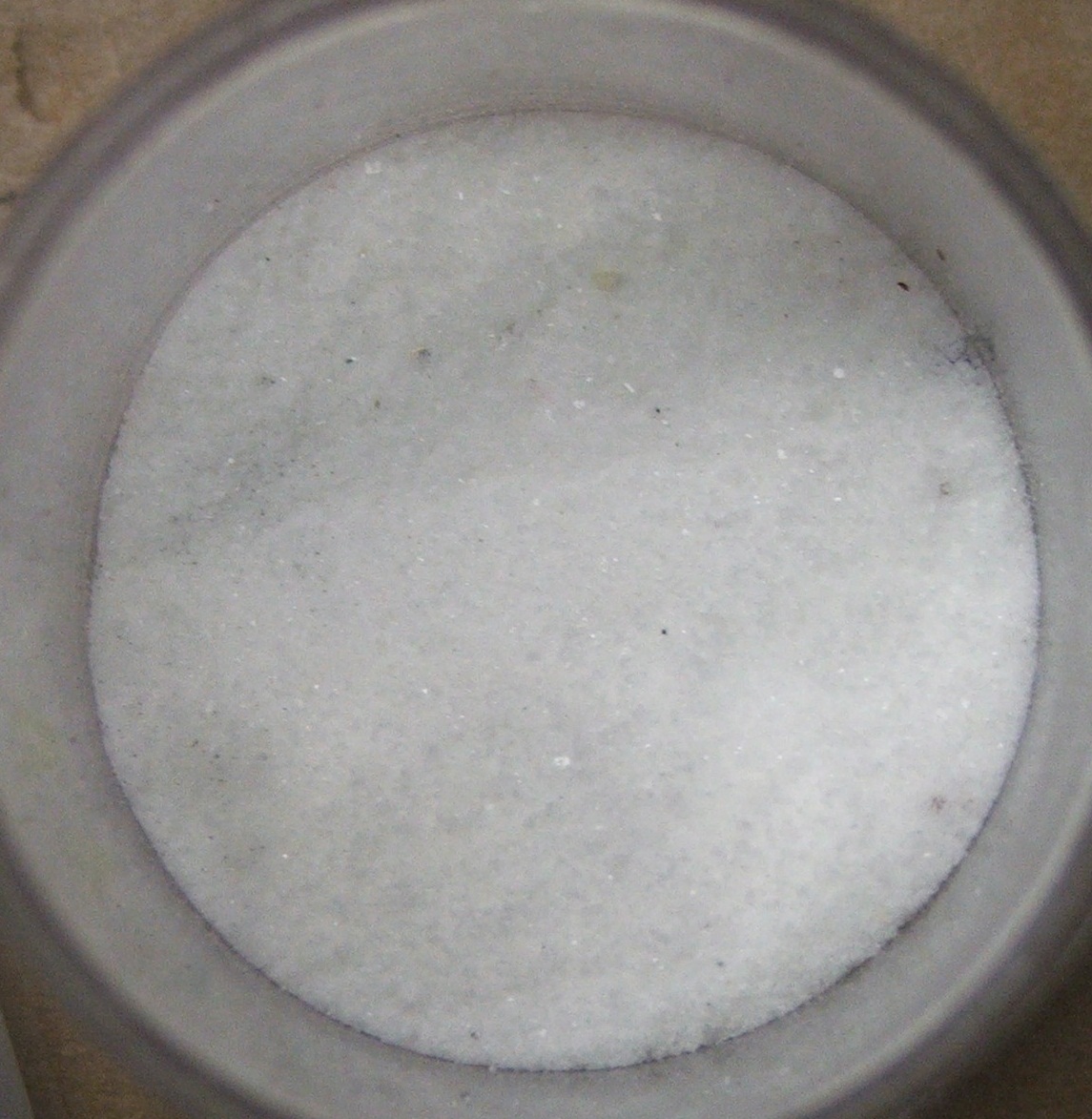
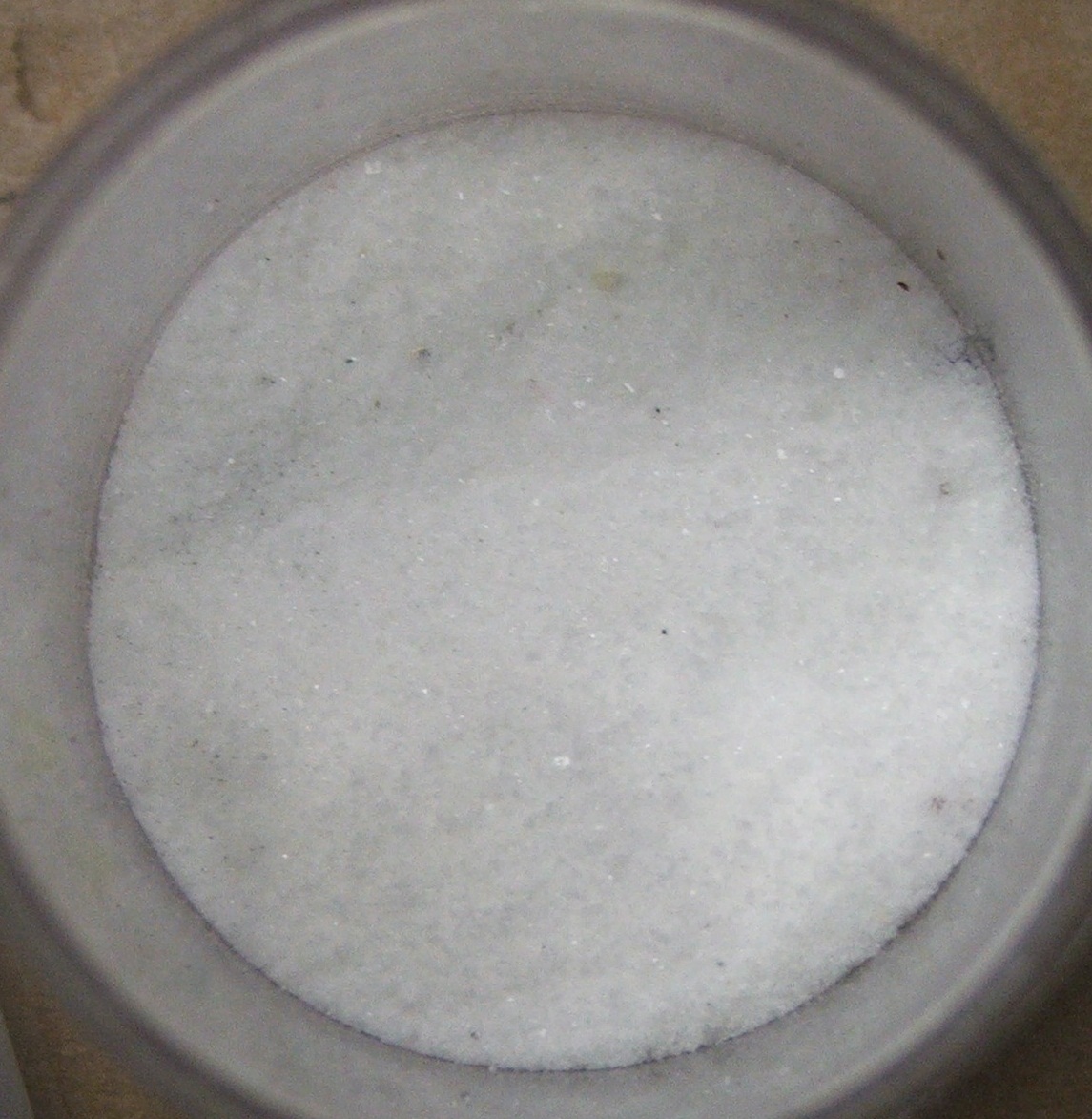
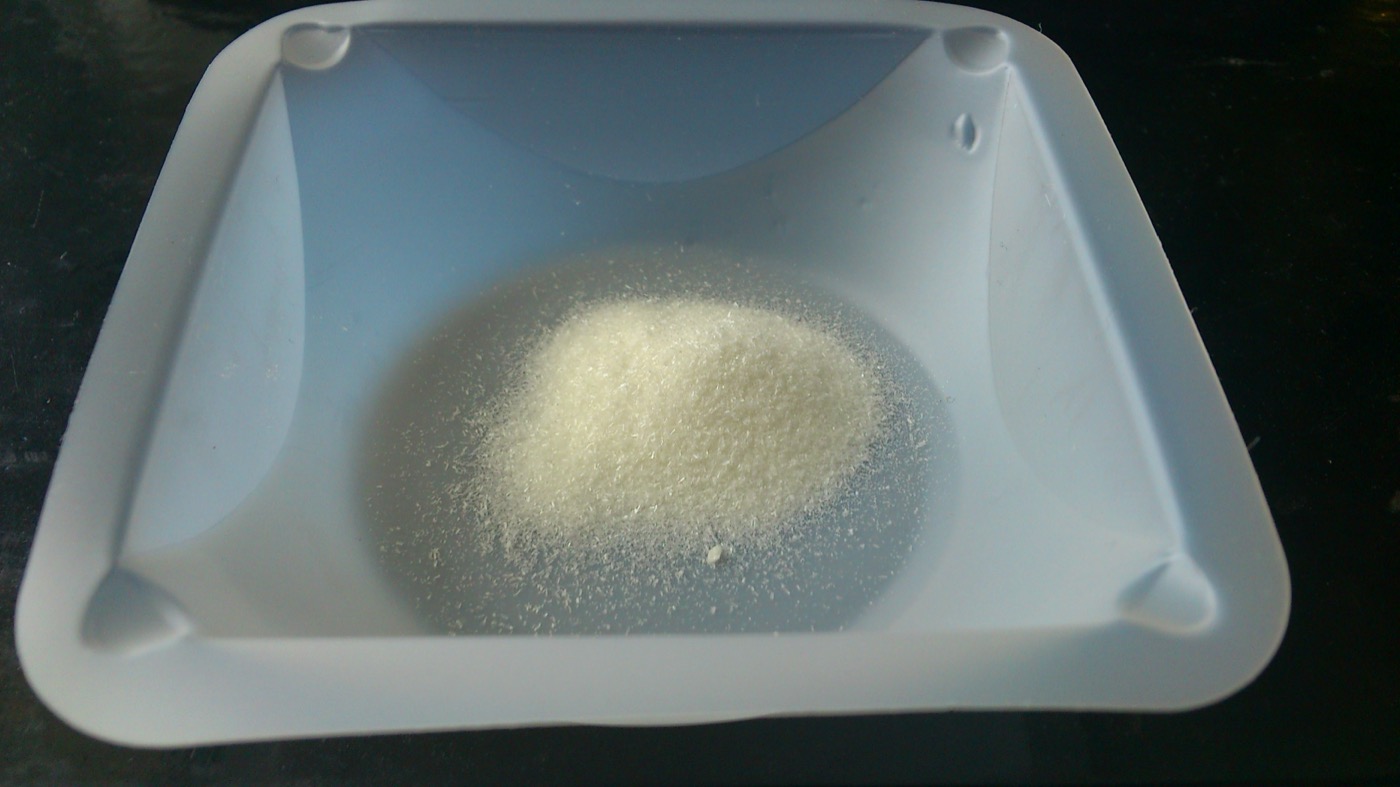
| Appearance | White to off-white crystalline powder, odourless |
| Specific rotation | +89 to +93 degrees (20 mg/mL in 0.1 M sodium hydroxide) |
| Solubility | Very slightly soluble in water (approx. 20 mg/100 mL at 25 C) and in alcohol; practically insoluble in acetone; dissolves in dilute alkali hydroxides |
| Melting point | 229-232 C with decomposition |
| Loss on drying | Not more than 1.0% (105 C) |
| Sulphated ash / residue on ignition | Not more than 0.1% |
| Lead | Not more than 2 mg/kg (FCC) |
| Shelf life | 36 months in unopened original packing, stored below 25 C, protected from light and moisture |
| HS code | 29362950 (India ITC-HS: Vitamin H, Biotin) |
Biotin, catalogued in trade as vitamin B7 or vitamin H, is a bicyclic sulphur-containing compound (C10H16N2O3S, CAS 58-85-5, molecular weight 244.31) manufactured by chemical synthesis as the biologically active D-isomer. Thovek supplies it as a white to off-white crystalline powder meeting USP (97.5-102.0% on the dried basis), Ph. Eur./BP (98.5-101.0% on the dried substance) and FCC (97.5-100.5%) requirements. Specific optical rotation of +89 to +93 degrees, measured at 20 mg/mL in 0.1 M sodium hydroxide, confirms the D-configuration; loss on drying is held to not more than 1.0% at 105 C and sulphated ash to not more than 0.1%. The material melts with decomposition at about 229-232 C.
In nutrition biotin functions as the covalently bound coenzyme of the carboxylase enzymes involved in fatty acid synthesis, gluconeogenesis and the catabolism of branched-chain amino acids. Because use levels sit in the microgram range, most manufacturers work from a diluted grade: 1% and 2% triturations on dicalcium phosphate or maltodextrin give far better content uniformity in direct-compression tablets, gummies, sachets and vitamin premixes than the neat crystal. Pure biotin is only very slightly soluble in water, roughly 20 mg per 100 mL at 25 C, and in alcohol, and is practically insoluble in acetone, but it dissolves in dilute alkali hydroxide solutions - which is how liquid, effervescent and syrup systems are normally built.
Every lot ships against a certificate of analysis covering identification, assay, specific rotation, loss on drying, sulphated ash, lead and microbiological limits, with residual solvent and elemental impurity data available on request. Standard export documentation includes MSDS, non-GMO, allergen and BSE/TSE statements, and halal or kosher certificates where the manufacturing site holds them. Correct classification for export from India is ITC-HS 29362950, the dedicated Vitamin H (Biotin) line, not the 29362900 catch-all.
Applications
Hairskin and nail supplementsMultivitamin tablets and capsulesB-complex premix manufactureGummy and effervescent formatsFortified beverages and dairySports and clinical nutritionAnimal feed premixesCosmetic and personal care
Available grades
USP, Ph. Eur./BP, FCC food grade, feed grade, 1% and 2% triturations
Packaging: Supplied in 1 kg and 5 kg aluminium foil laminate bags inside fibre drums for neat biotin, and 25 kg fibre drums or HDPE laminated bags with double food-grade LDPE liners for 1% and 2% triturations; palletised, strapped and shrink-wrapped for sea or air freight, each consignment accompanied by COA, MSDS and batch traceability documents.