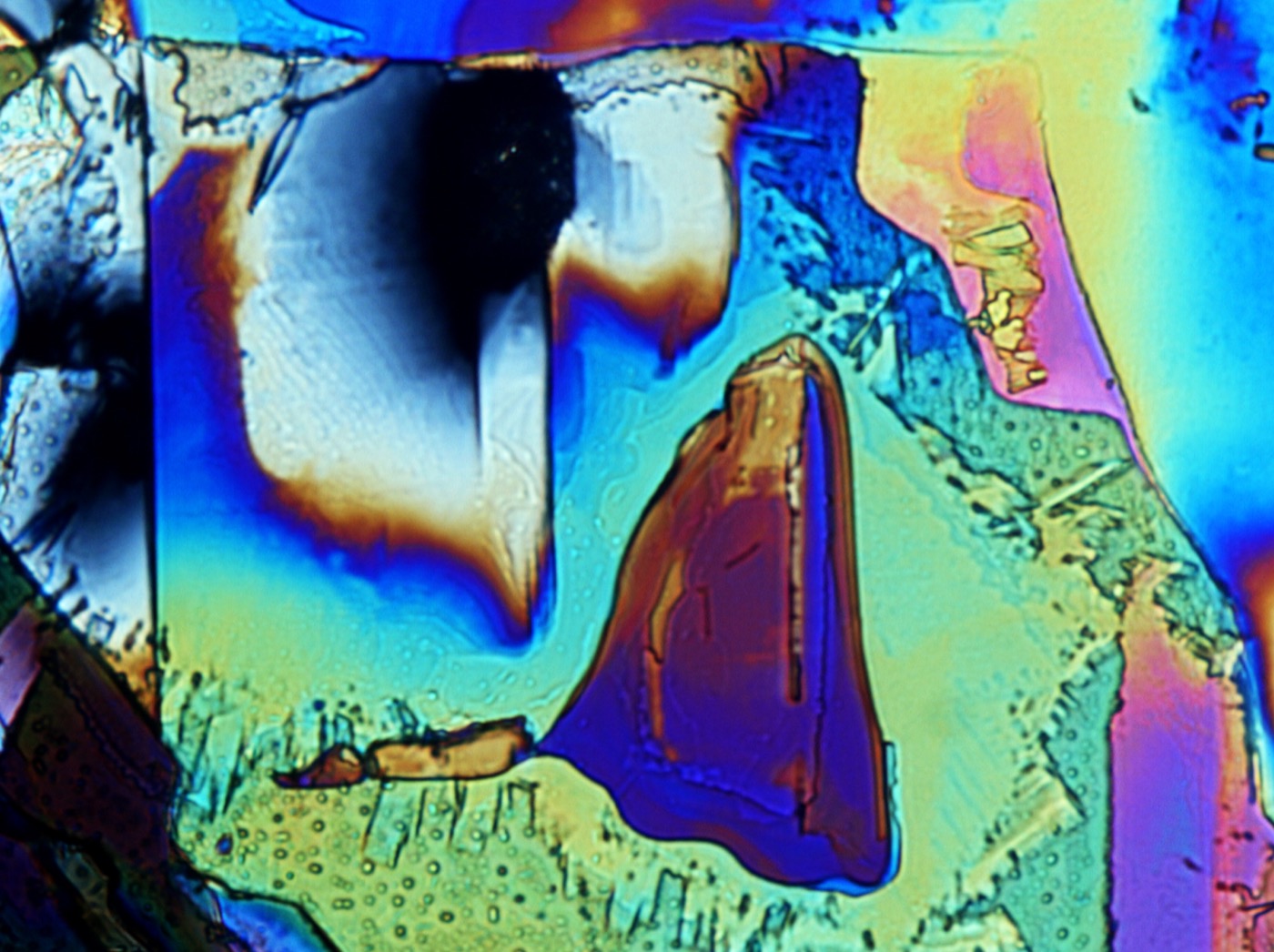
Vitamin B6 (Pyridoxine Hydrochloride)
Bulk pyridoxine hydrochloride powder (vitamin B6) to USP and BP/Ph. Eur., assay 98.0-102.0%, supplied from India in 25 kg drums for tablet, capsule, beverage and premix production.
Specifications
| Chemical name | Pyridoxine hydrochloride (3-hydroxy-4,5-bis(hydroxymethyl)-2-methylpyridine hydrochloride) |
| CAS number | 58-56-0 |
| Molecular formula | C8H11NO3·HCl — MW 205.64; equivalent to approx. 82.3 % pyridoxine base |
| Assay | 98.0 – 102.0 % on dried basis (USP); 99.0 – 101.0 % on dried substance (Ph. Eur./BP, titration) |
| Appearance | White to almost white crystalline powder, odourless, light-sensitive |
| Solubility | Soluble in water (approx. 220 g/L at 20 °C); slightly soluble in ethanol (96 %); practically insoluble in ether |
| pH (5 % w/v aqueous solution) | 2.4 – 3.0 (Ph. Eur.); 2.3 – 3.5 (USP) |
| Melting range | About 205 – 212 °C, with decomposition |
| Loss on drying / sulphated ash | NMT 0.5 % / NMT 0.1 % (residue on ignition NMT 0.1 %) |
| Heavy metals | NMT 0.003 % (as Pb); chloride content 16.9 – 17.6 % on dried basis |
| Shelf life | 24 months from date of manufacture in unopened original packing, protected from light and moisture |
| HS code | 2936.25 — ITC-HS 29362500 |
Applications
Available grades
USP, BP/Ph. Eur. (EP), IP, FCC food grade, feed grade
Related products
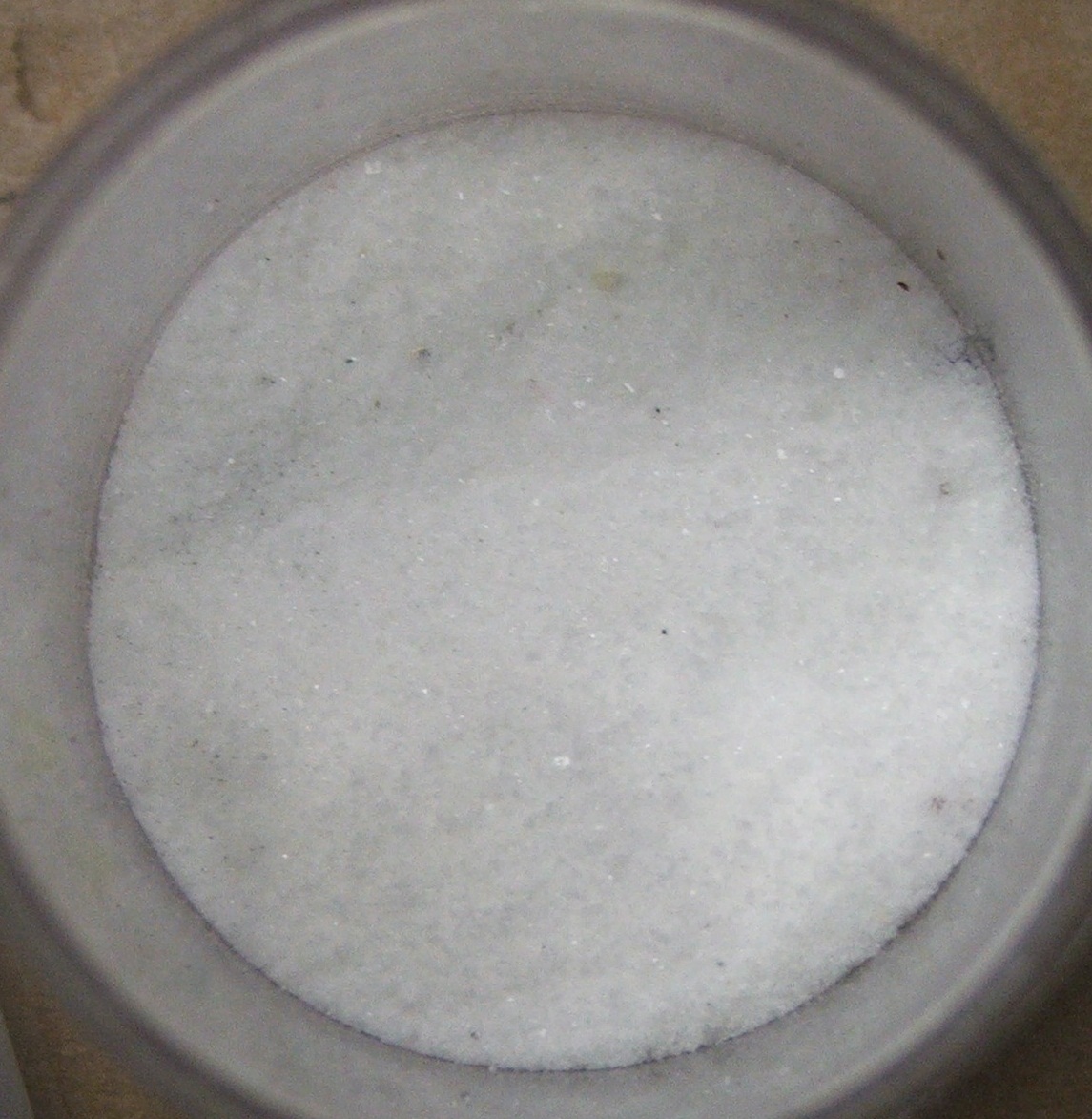
Vitamin C (Ascorbic Acid)
High-purity L-ascorbic acid (99.0–100.5% assay) in USP, EP, BP and FCC grades — the workhorse vitamin for immunity supplements, food fortification and antioxidant protection.
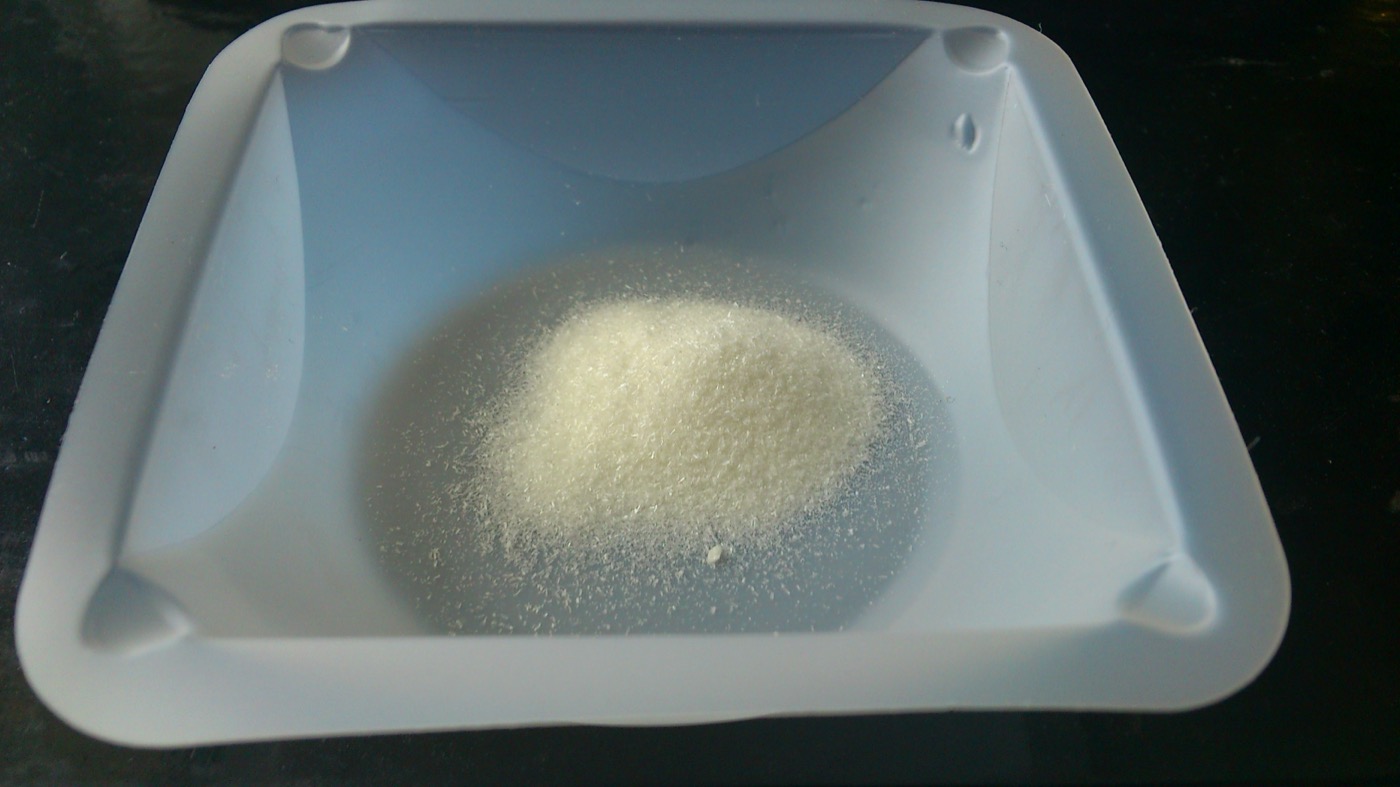
Sodium Ascorbate
Sodium ascorbate powder, the non-acidic sodium salt of L-ascorbic acid, supplied to USP, BP, Ph. Eur. and FCC grades in bulk export quantities for supplement, food, beverage and feed formulation.
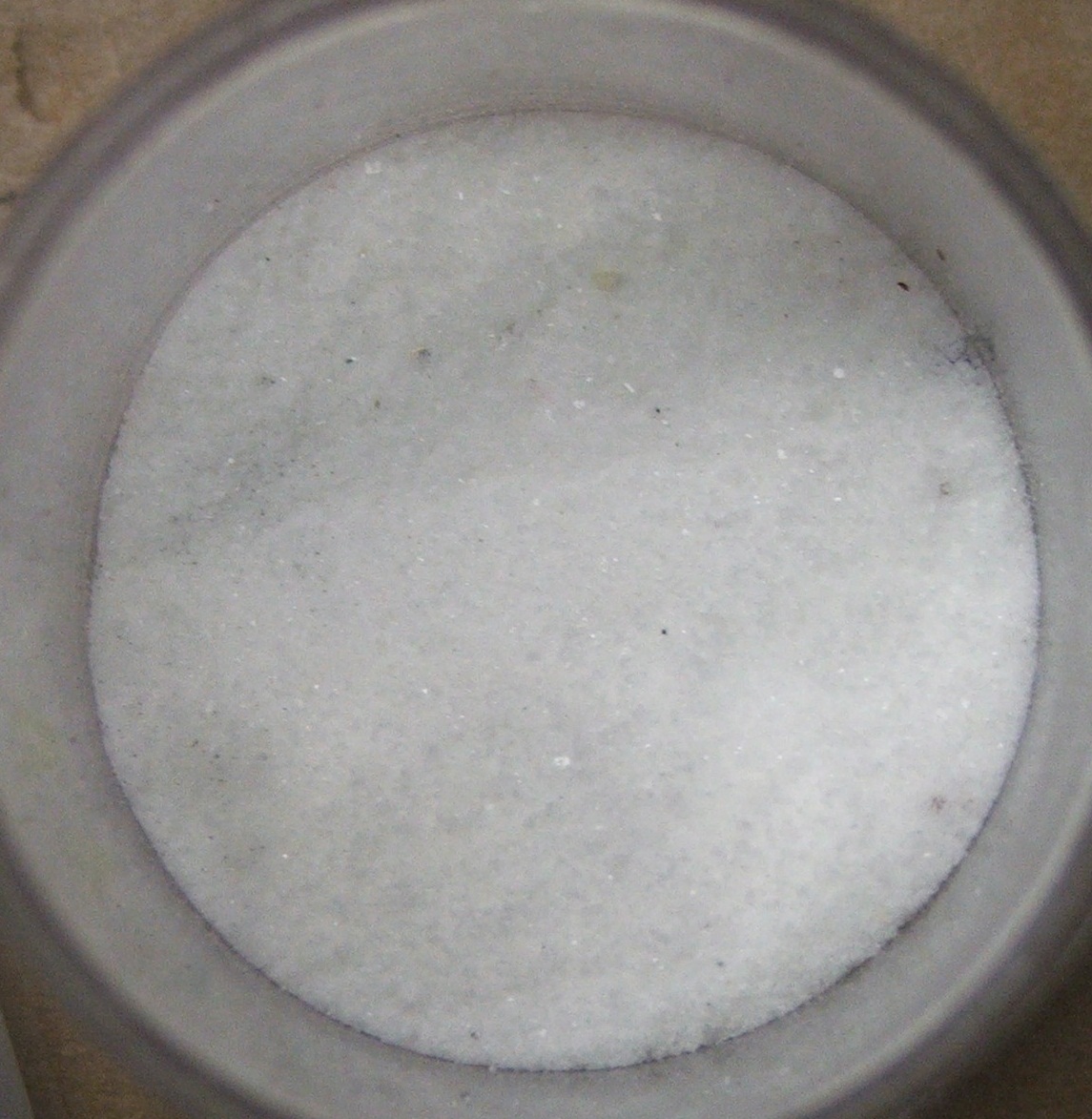
Calcium Ascorbate
Calcium ascorbate dihydrate powder, a buffered vitamin C salt carrying roughly 9.4 % elemental calcium, supplied to USP, BP, Ph. Eur. and FCC grades in bulk export quantities.