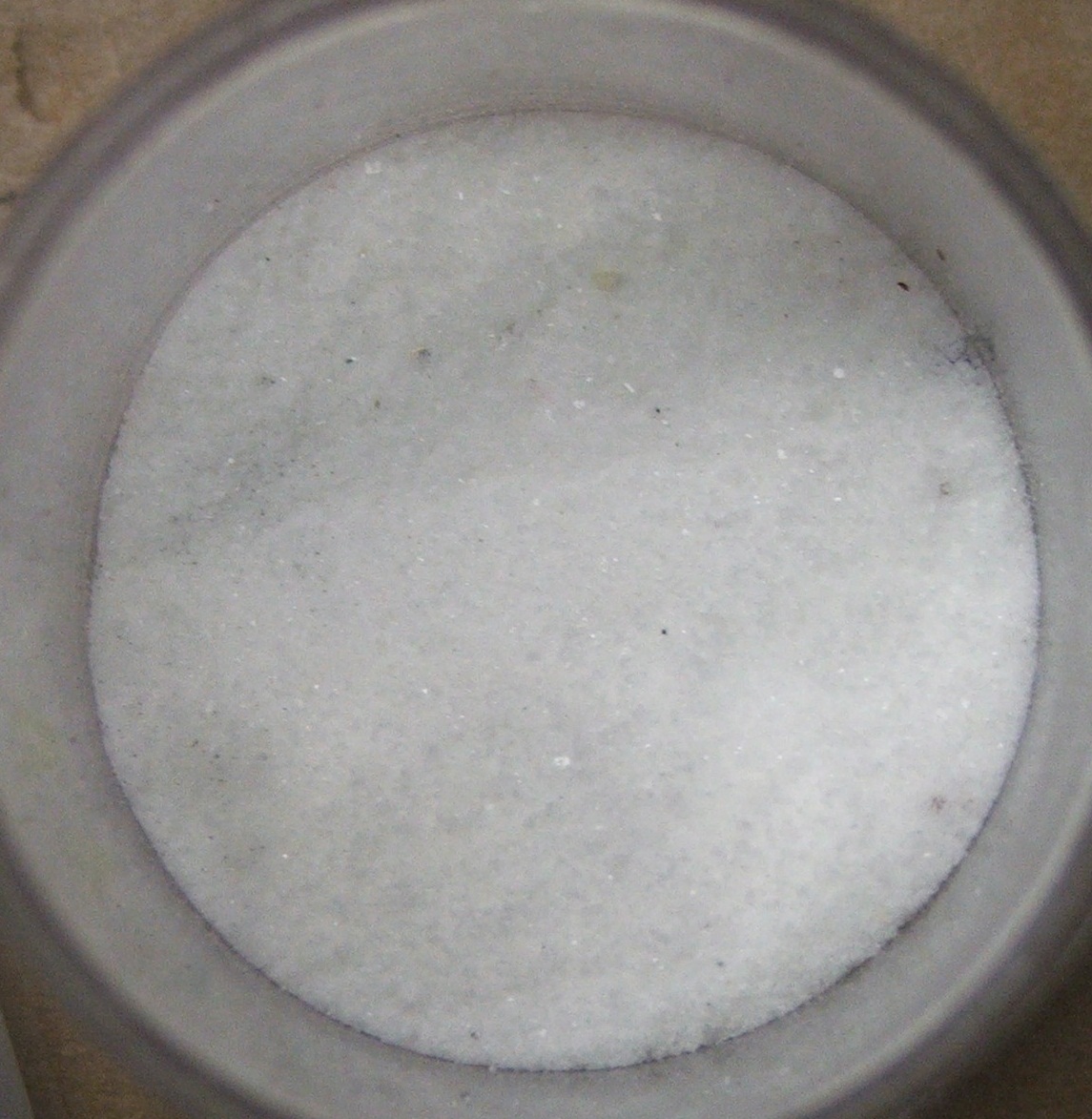
Vitamin A Palmitate (Retinyl Palmitate)
Retinyl palmitate, the palmitic acid ester of retinol, supplied as a stabilised 1,700,000 IU/g oil concentrate or as 250,000 IU/g cold-water-dispersible beadlets.
Specifications
| Chemical name | All-trans-retinyl palmitate (vitamin A palmitate), the palmitic acid ester of retinol. |
| CAS number | 79-81-2 |
| Molecular formula / weight | C36H60O2; 524.9 g/mol. |
| Potency — oil concentrate | Minimum 1,700,000 IU/g (USP units), the 1.7 MIU/g trade grade. Lower strengths made to order by dilution in refined vegetable oil. |
| Potency — dry forms | 250,000 IU/g cold-water-dispersible beadlets, equal to 75,000 µg retinol per gram; 500,000 IU/g beadlets also supplied. |
| IU conversion | 1 IU vitamin A = 0.30 µg all-trans-retinol = 0.55 µg retinyl palmitate; therefore 1 µg retinyl palmitate ≈ 1.82 IU. |
| Appearance | Oil grade: yellow to amber viscous liquid that turns semi-solid on cooling — warm gently and homogenise before dispensing. Beadlets: free-flowing yellow spheres. |
| Stabilisation | Antioxidant-protected; usual systems are dl-alpha-tocopherol, ascorbyl palmitate, BHT or BHA. Unstabilised concentrate available on request. |
| Beadlet matrix — allergen critical | Two builds: gelatin-based (bovine or fish gelatin with sugars and starch) or vegan (modified maize starch with acacia). Fish gelatin is a declarable fish allergen. |
| Carrier oil — allergen critical | Refined soybean oil as carrier triggers a soy declaration in several markets; nominate sunflower, maize or MCT oil if a soy-free label is required. |
| Origin and diet status | The retinyl palmitate is synthetic and contains no animal material. Diet status of the finished grade is decided by the matrix and carrier, so specify both. |
| Solubility | Practically insoluble in water; soluble in fats and oils, ethanol and chlorinated solvents. Beadlet grades disperse in cold water. |
| Stability handling | Sensitive to oxygen, light, heat, acid and trace metals. Ship and store concentrate at 2–8 °C under nitrogen; re-blanket opened drums and use quickly. |
| Grade standards | Supplied to USP-NF, Ph. Eur. and FCC grade; the assay method used is quoted on the CoA. Indian |
| HS code | 29362100 |
Applications
Available grades
Oil concentrate at 1,700,000 IU/g, diluted oil strengths to order, 250,000 IU/g cold-water-dispersible beadlets and 500,000 IU/g beadlets. Gelatin-matrix or vegan starch-and-acacia matrix, stabilised or unstabilised. Food, pharmacopoeial, cosmetic and feed grades.
Related products
Vitamin C (Ascorbic Acid)
High-purity L-ascorbic acid (99.0–100.5% assay) in USP, EP, BP and FCC grades — the workhorse vitamin for immunity supplements, food fortification and antioxidant protection.
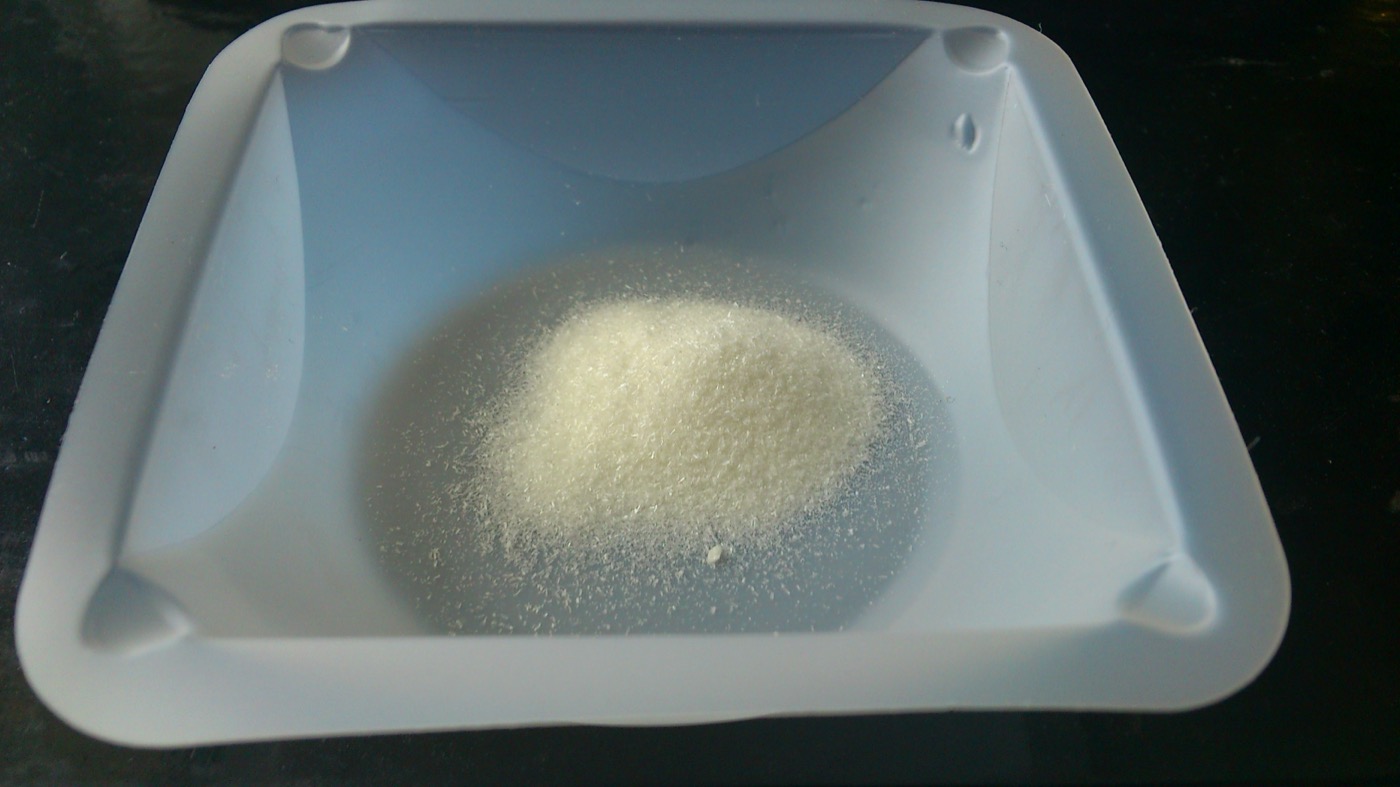
Sodium Ascorbate
Sodium ascorbate powder, the non-acidic sodium salt of L-ascorbic acid, supplied to USP, BP, Ph. Eur. and FCC grades in bulk export quantities for supplement, food, beverage and feed formulation.
Calcium Ascorbate
Calcium ascorbate dihydrate powder, a buffered vitamin C salt carrying roughly 9.4 % elemental calcium, supplied to USP, BP, Ph. Eur. and FCC grades in bulk export quantities.