Inositol (Myo-Inositol)
Myo-inositol · C6H12O6
Bulk myo-inositol powder to USP-NF and Ph. Eur./BP, assay 97.0-102.0% on the anhydrous basis. Supplied to supplement, infant nutrition and beverage manufacturers in 25 kg export packing.
Specifications
| Chemical name | Myo-inositol (cyclohexane-1,2,3,4,5,6-hexol) |
| CAS number | 87-89-8 |
| Molecular formula | C6H12O6 (molecular weight 180.16) |
| Assay | 97.0-102.0% on the anhydrous basis (USP-NF; Ph. Eur. monograph 1805) |
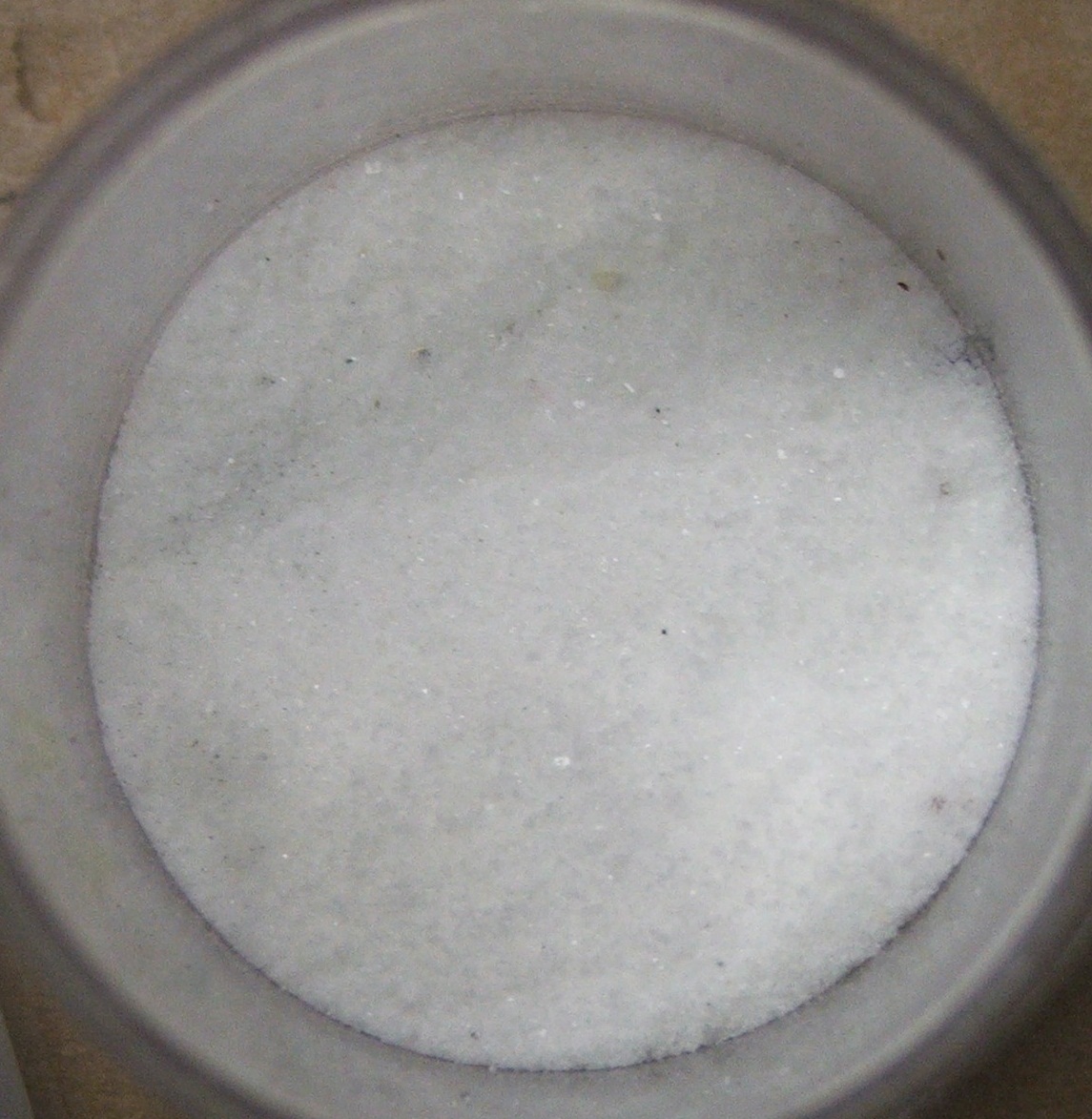
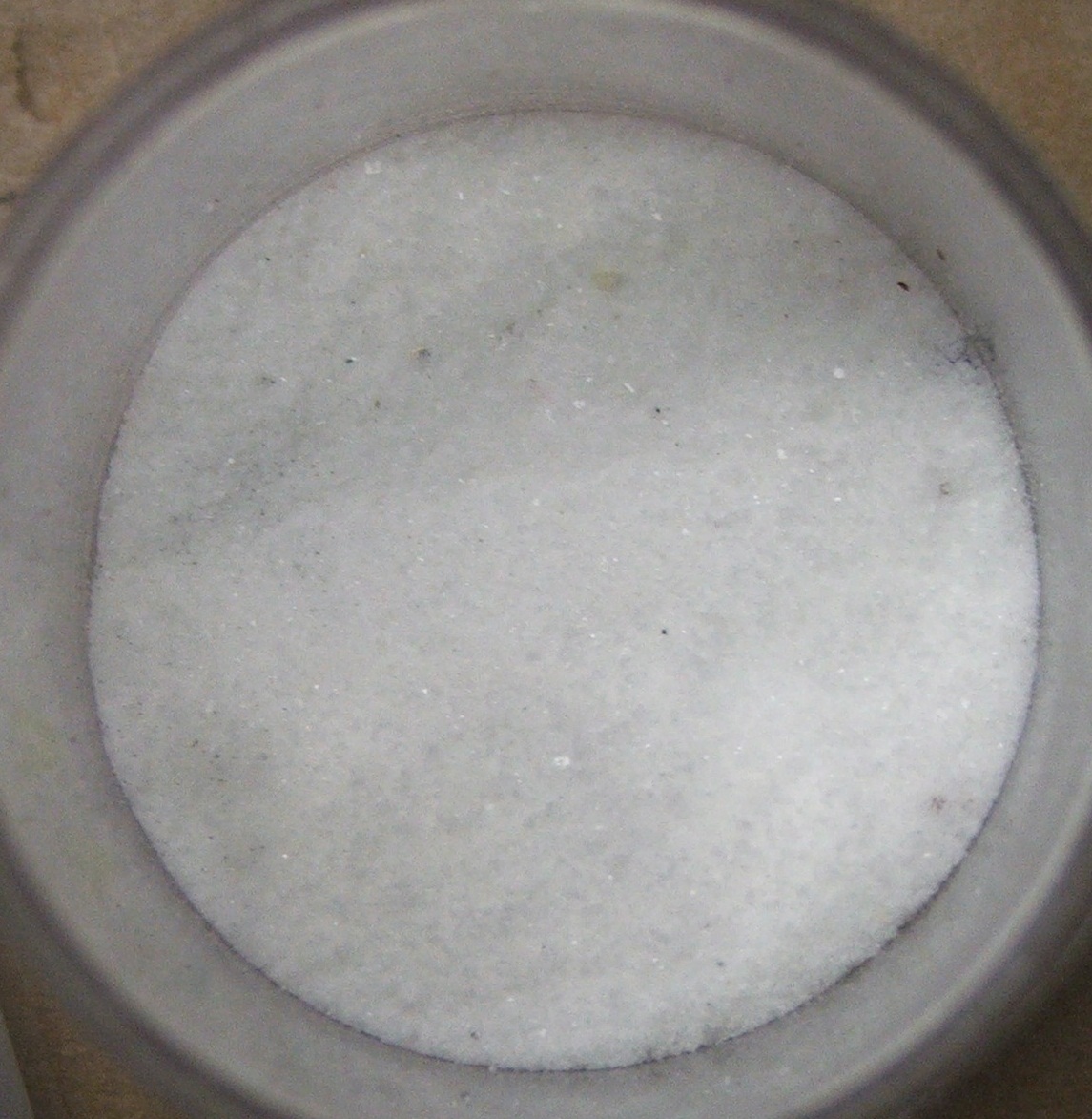
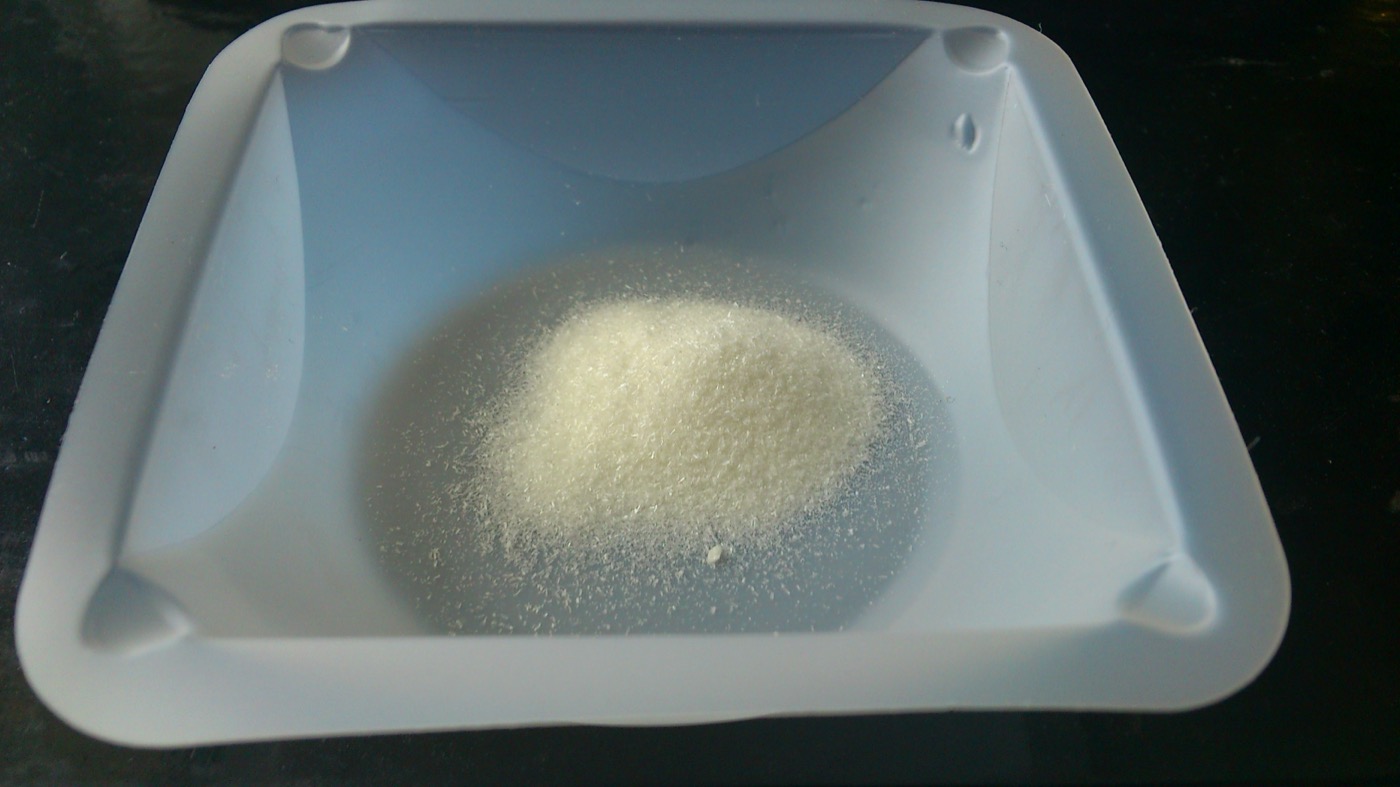
| Appearance | White or almost white crystalline powder; melting range 224-227 degrees C; optically inactive (meso form) |
| Solubility | Very soluble in water; practically insoluble in ethanol (96 per cent) |
| Water (Karl Fischer) | Not more than 0.5% |
| Residue on ignition | Not more than 0.1% |
| Heavy metals / lead | Heavy metals not more than 10 ppm; lead not more than 0.5 ppm (Ph. Eur.) |
| Particle size | Standard crystalline grade; milled and micronised grades to buyer mesh specification |
| Shelf life | 36 months from date of manufacture in unopened original packing, stored cool and dry |
| HS code | 29061390 (ITC-HS India) |
Inositol, traded as myo-inositol, is a carbocyclic polyol - cyclohexane-1,2,3,4,5,6-hexol, CAS 87-89-8, molecular formula C6H12O6, molecular weight 180.16. It is the biologically predominant of the nine inositol stereoisomers and, being a meso compound, is optically inactive. Myo-inositol is the parent alcohol of phosphatidylinositol and of the inositol phosphates, which form part of membrane phospholipids and of intracellular signalling pathways. It is treated as a nutrient in both major regulatory systems: it is affirmed GRAS as a nutrient supplement in the United States under 21 CFR 184.1370, US infant formula must contain a minimum of 4 mg per 100 kcal, and inositol is a declarable nutrient for infant and follow-on formula under Commission Delegated Regulation (EU) 2016/127.
The material offered is a white or almost white crystalline powder with a faintly sweet taste, melting range 224-227 degrees C, very soluble in water and practically insoluble in ethanol (96 per cent). It is manufactured by acid hydrolysis of phytate recovered from corn steep liquor or rice bran, followed by decolourisation, ion exchange and crystallisation; enzymatically produced and fermentation-derived material can be sourced on request. Grades available are USP-NF, Ph. Eur./BP (myo-inositol, monograph 1805), FCC food grade, feed grade and cell-culture grade. Standard specification: assay 97.0-102.0 per cent on the anhydrous basis, water by Karl Fischer not more than 0.5 per cent, residue on ignition not more than 0.1 per cent, chloride not more than 0.005 per cent, sulphate not more than 0.006 per cent, lead not more than 0.5 ppm to Ph. Eur., heavy metals not more than 10 ppm, any individual related substance not more than 0.3 per cent with total not more than 1.0 per cent by HPLC, and conductivity of the aqueous solution not more than 30 microsiemens per cm.
Every lot ships with a certificate of analysis covering identification by infrared absorption and HPLC against the pharmacopoeial reference standard, assay, water, residue on ignition, related substances, heavy metals by ICP-MS and microbiological limits including total plate count, yeast and mould, E. coli and Salmonella. Independent laboratory reports, allergen, GMO and BSE/TSE declarations, kosher and halal certificates, an MSDS and a full technical dossier accompany the shipping documents. Coarse crystalline, milled and micronised grades are produced against the buyer's mesh specification for direct compression, dry blending or instantised beverage powders. Export packing is 25 kg net, with pilot and sample quantities dispatched by air courier ahead of commercial orders.
Applications
Infant and follow-on formulaNutraceutical tablets and capsulesWomen's health supplement blendsSports and energy drink powdersLipotropic blends with cholineInstantised beverage premixesCell culture and fermentation mediaAnimal feed and pet food premixesCosmetic humectant systems
Available grades
USP-NF, Ph. Eur./BP (myo-inositol monograph 1805), FCC food grade, feed grade, cell-culture grade
Packaging: 25 kg net in double LDPE-lined HDPE laminated bags or fibre drums, heat-sealed, palletised and shrink-wrapped or loose-loaded to buyer instruction; 1 kg to 5 kg samples dispatched by air courier.