Dexpanthenol (Provitamin B5)
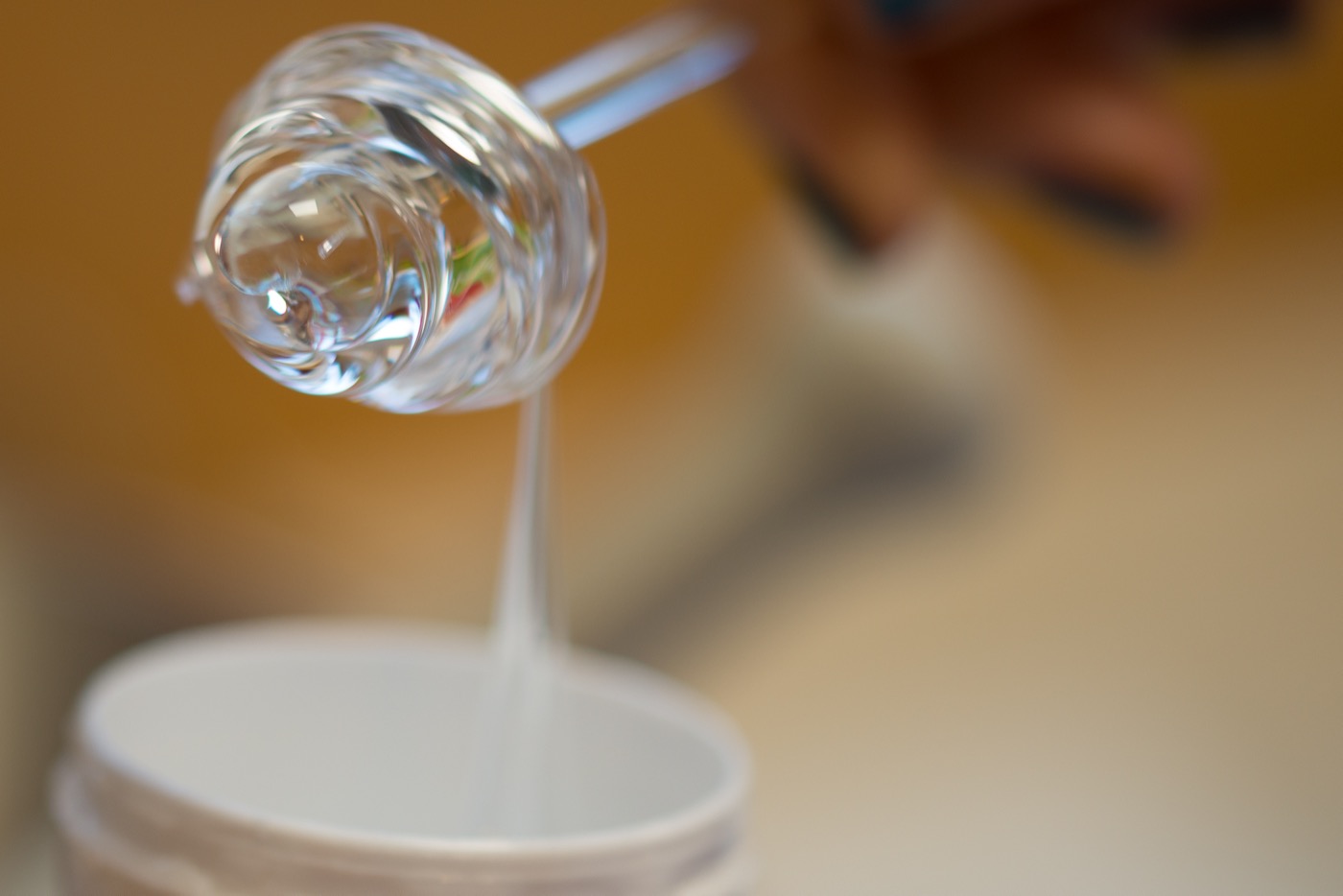
Dexpanthenol (D-panthenol), the alcohol analogue of vitamin B5, assayed 98-102 per cent to USP. A clear viscous hygroscopic liquid; 50 per cent solutions and DL-panthenol powder also offered. Vegan.
Specifications
| Chemical name | Dexpanthenol (D-panthenol); (2R)-2,4-dihydroxy-N-(3-hydroxypropyl)-3,3-dimethylbutanamide. Cosmetic INCI name: Panthenol. |
| CAS number | 81-13-0 for dexpanthenol (D-isomer). The racemate DL-panthenol is CAS 16485-10-2 and is a different article with half the vitamin B5 activity. |
| Molecular formula / weight | C9H19NO4, MW 205.25. |
| Assay | 98.0 to 102.0 per cent C9H19NO4 on the anhydrous basis (USP); 98.0 to 101.0 per cent (Ph. Eur./BP). |
| Appearance and density | Colourless to slightly yellowish, clear, viscous, hygroscopic liquid. Density about 1.20 g/mL at 20 degrees C. |
| Specific optical rotation | +29.0 to +32.0 degrees (Ph. Eur./BP); +29.0 to +31.5 degrees (USP). This is the test that distinguishes D-panthenol from the racemate. |
| Refractive index | 1.495 to 1.502 at 20 degrees C. |
| Water content | Not more than 1.0 per cent by Karl Fischer. |
| Impurity limits | 3-Aminopropanol not more than 1.0 per cent; residue on ignition not more than 0.1 per cent; pH of the aqueous solution not more than 10.5. |
| Solubility and stability | Very soluble in water, freely soluble in ethanol (96 per cent). Stable in neutral solution; hydrolyses to pantothenic acid and 3-aminopropanol in acid or alkali. |
| Alternative presentations | 50 per cent aqueous or propylene-glycol solution; carrier-adsorbed spray-dried powder; DL-panthenol crystalline powder, mp 66-69 degrees C, cosmetic use only. |
| Regulatory status | Permitted vitamin B5 source in EU food supplements (Annex II, Directive 2002/46/EC). Authorised EU feed additive 3a842 for all animal species. |
| Allergen and origin status | Fully synthetic. Vegan and vegetarian suitable; no bovine, porcine, marine, egg or dairy input. Free of milk, egg, soy, fish, crustacean, gluten and tree nut. |
| Storage, shelf life | Airtight containers, cool, protected from heat, light and moisture. Shelf life commonly declared as 24 months; confirm on the CoA. |
| HS code | 2936 24 00 |
Applications
Available grades
USP, Ph. Eur./BP and IP pharmaceutical grade; cosmetic grade (INCI Panthenol); D-panthenol 50 per cent aqueous or propylene-glycol solution; feed grade (EU additive 3a842); DL-panthenol crystalline powder for cosmetic use only. Kosher and halal certification on request.
Related products
Vitamin C (Ascorbic Acid)
High-purity L-ascorbic acid (99.0–100.5% assay) in USP, EP, BP and FCC grades — the workhorse vitamin for immunity supplements, food fortification and antioxidant protection.
Sodium Ascorbate
Sodium ascorbate powder, the non-acidic sodium salt of L-ascorbic acid, supplied to USP, BP, Ph. Eur. and FCC grades in bulk export quantities for supplement, food, beverage and feed formulation.
Calcium Ascorbate
Calcium ascorbate dihydrate powder, a buffered vitamin C salt carrying roughly 9.4 % elemental calcium, supplied to USP, BP, Ph. Eur. and FCC grades in bulk export quantities.