Benfotiamine
S-Benzoylthiamine O-monophosphate · C19H23N4O6PS
Bulk benfotiamine powder, 98-102% HPLC assay, CAS 22457-89-2. A lipid-soluble S-acyl derivative of thiamine supplied to GMP in-house specification for B-complex and neurotropic vitamin formulations.
Specifications
| Chemical name | Benfotiamine (S-benzoylthiamine O-monophosphate) |
| CAS number | 22457-89-2 |
| Molecular formula | C19H23N4O6PS (molecular weight 466.4) |
| Assay | 98.0-102.0% by HPLC on the anhydrous basis (manufacturer's specification) |
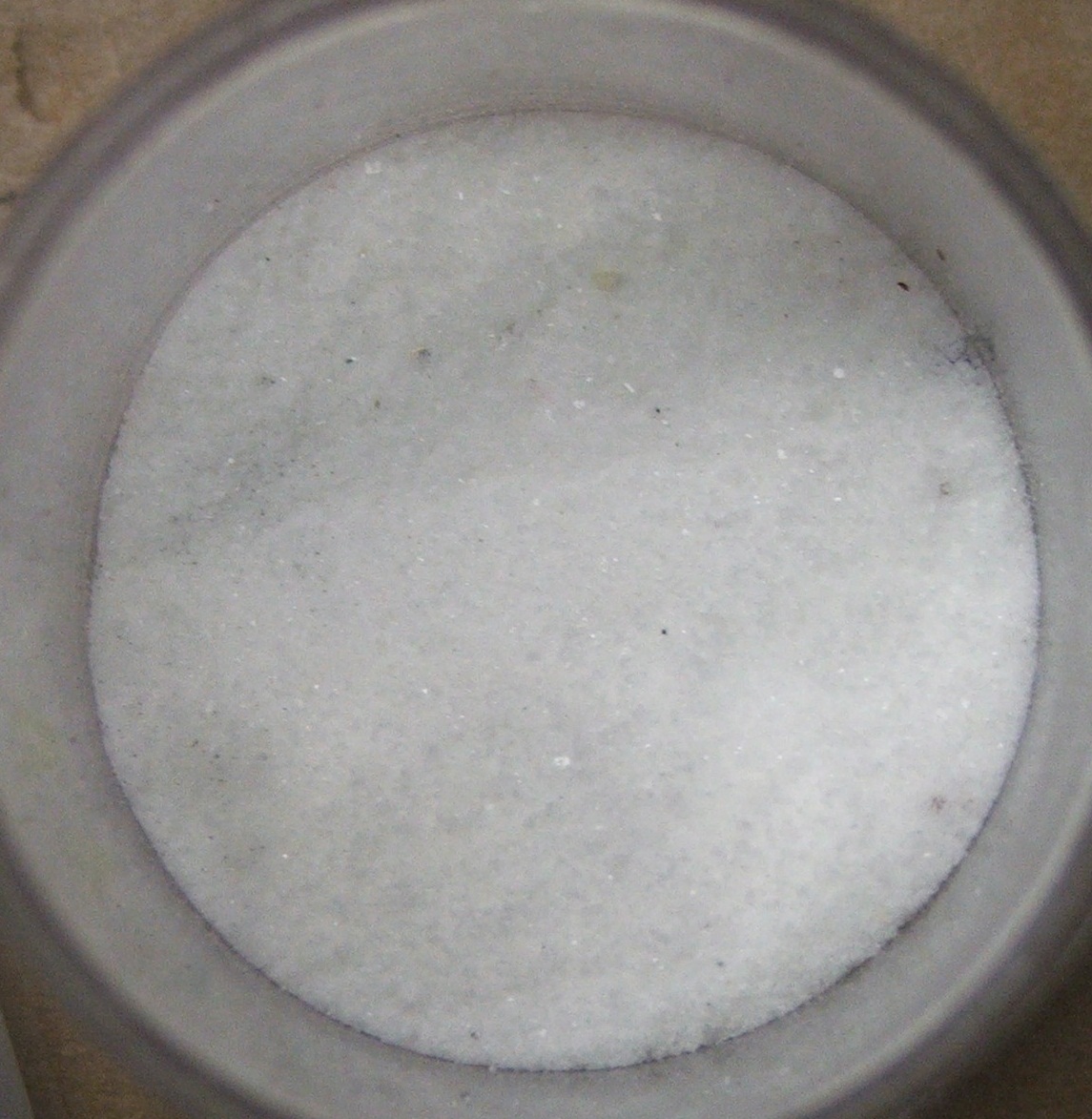
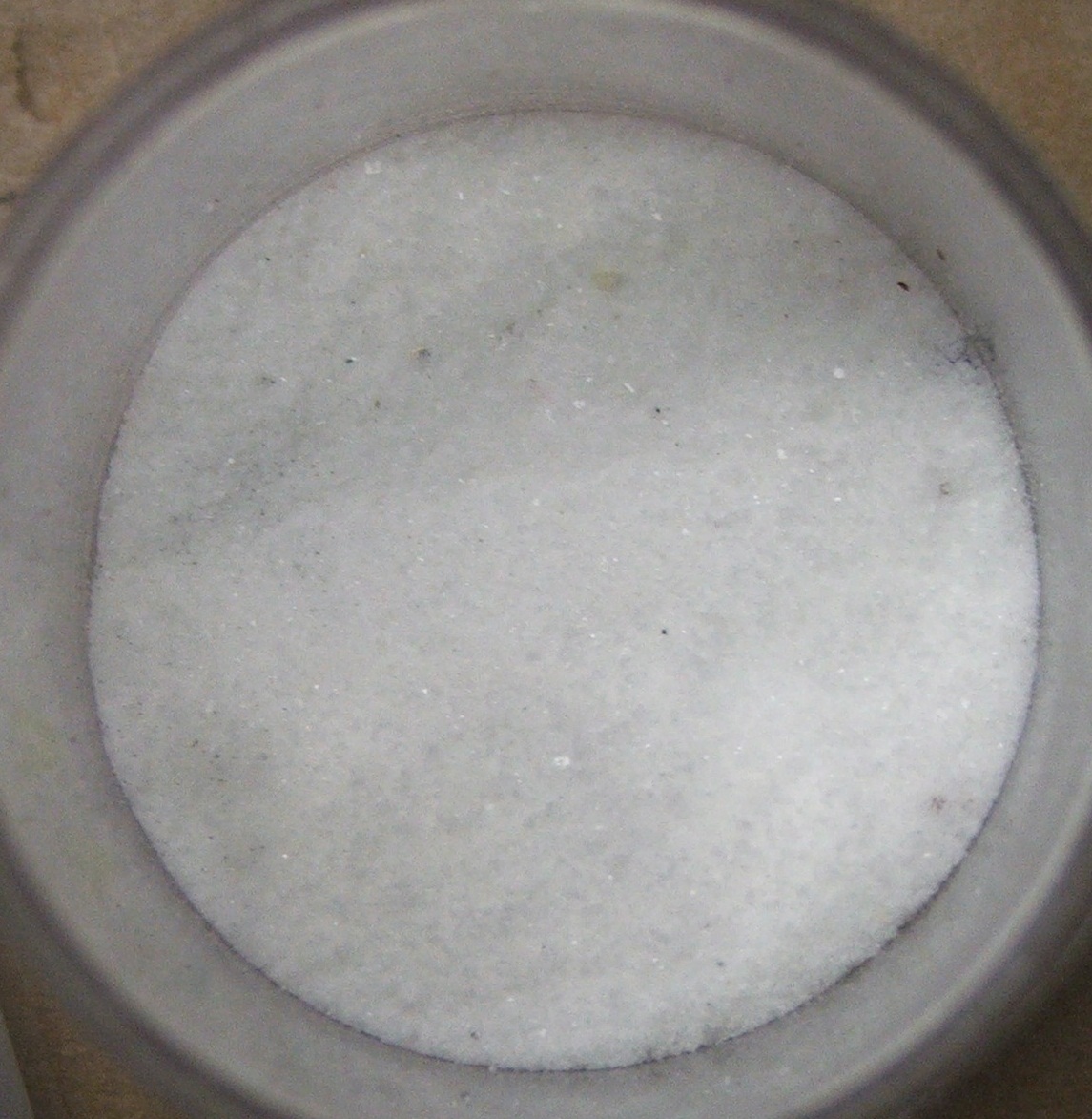
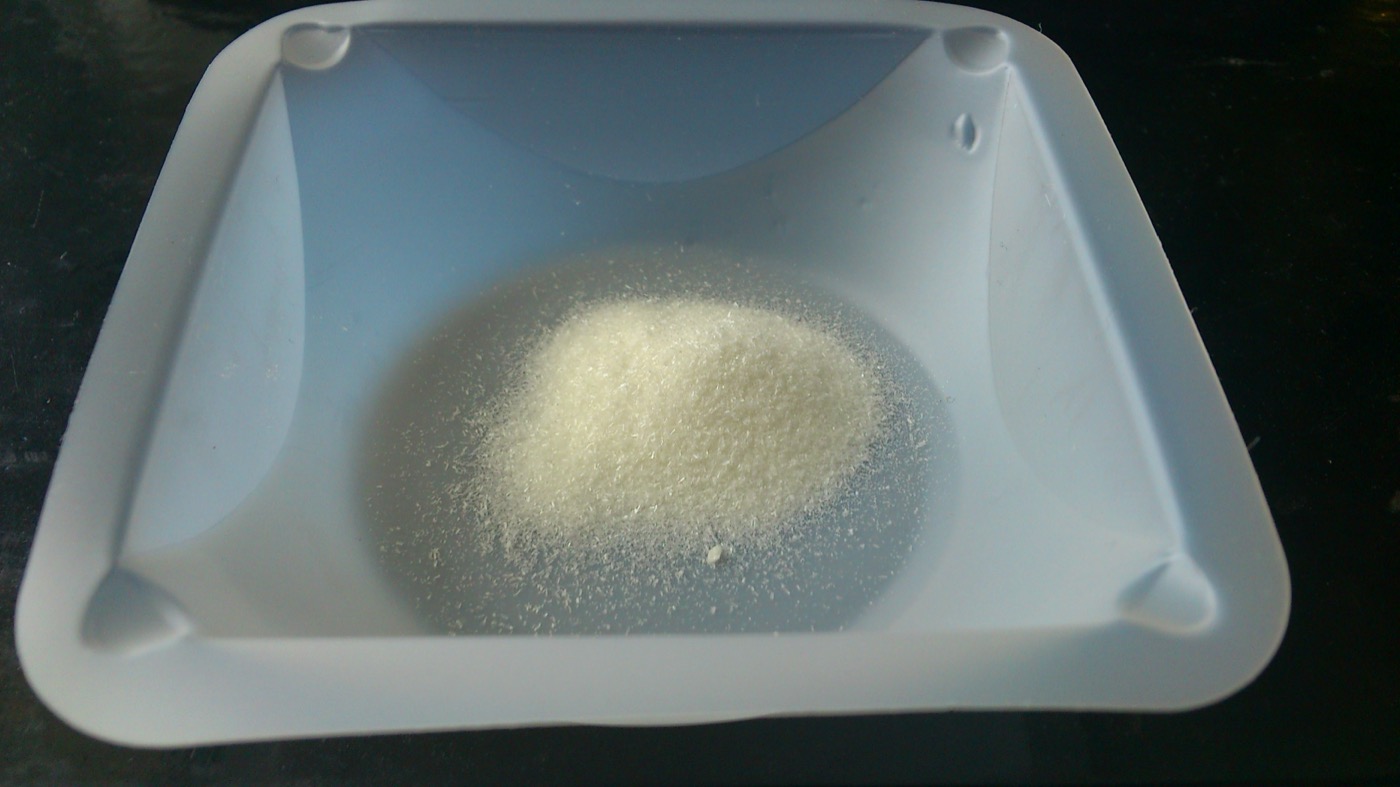
| Appearance | White to off-white or pale yellow crystalline powder |
| Solubility | Practically insoluble in water at neutral pH; solubility rises markedly in alkaline media; soluble in dimethyl sulfoxide; slightly soluble in methanol |
| Melting point | Approx. 165 °C with decomposition |
| Loss on drying / sulphated ash / heavy metals | NMT 1.0% / NMT 0.2% / NMT 20 ppm (typical specification) |
| Related substances | Total impurities NMT 2.0% by HPLC (typical specification); full impurity profile reported on COA |
| Compendial status | No USP or Ph. Eur. monograph published; supplied against validated in-house GMP specification with DMF support |
| Shelf life | 36 months in unopened original packing, stored 15-25 °C below 60% RH, protected from light and moisture |
| HS code | 2936.22.90 (India ITC-HS 29362290) |
Benfotiamine is S-benzoylthiamine O-monophosphate, CAS 22457-89-2, molecular formula C19H23N4O6PS, molecular weight 466.45. It is a synthetic S-acyl derivative of thiamine in which the thiazolium ring is open and the sulphur is benzoylated, with a phosphate ester on the hydroxyethyl side chain. The resulting molecule is amphiphilic rather than water-soluble like the thiamine salts: it is practically insoluble in water at neutral pH, dissolves readily as the phosphate group ionises in alkaline media, is soluble in dimethyl sulfoxide and only slightly soluble in methanol. Commercial material is a white to off-white or pale yellow crystalline powder melting at about 165 °C with decomposition, assaying 98.0-102.0% by HPLC.
In the body benfotiamine is dephosphorylated by alkaline phosphatase and converted to thiamine, which then forms thiamine diphosphate, the coenzyme of pyruvate dehydrogenase, alpha-ketoglutarate dehydrogenase and transketolase. Formulators use it as the vitamin B1 component of neurotropic B-vitamin combinations, typically alongside pyridoxine and cyanocobalamin, and in B-complex, sports and metabolic-support ranges. Because it is not water-soluble it suits tablets, capsules, softgels and stick packs rather than clear liquid systems; the powder blends and compresses well and is commonly dosed at 150 mg or 300 mg per unit.
Regulatory status differs by market and should be confirmed before ordering. No USP or Ph. Eur. monograph for benfotiamine is currently published, so material is released against a validated manufacturer's in-house specification under GMP, with full HPLC assay, related substances, residual solvents to ICH Q3C, heavy metals and microbiological data on the certificate of analysis; DMF and impurity-profile support is available from API-grade sources. Benfotiamine is not listed in Annex II of Directive 2002/46/EC and therefore cannot be used as a vitamin B1 source in EU food supplements, while in the United States it is traded as a dietary ingredient with a new dietary ingredient notification on record for at least one branded grade.
Applications
B-complex tablets and capsulesNeurotropic B-vitamin combinationsSports and metabolic nutritionSoftgel and tablet formulationsPowder sachets and stick packsAPI for oral solid dosagePrivate-label supplement blendsVeterinary supplement formulations
Available grades
Pharmaceutical / API grade to manufacturer's in-house GMP specification, nutraceutical and food grade
Packaging: 25 kg net in fibre drums with double food-grade LDPE inner liners, or 5 kg and 10 kg aluminium-foil laminate bags inside HDPE drums; 100 g and 1 kg foil pouches for samples. Desiccant and light-barrier packing as standard, palletised and shrink-wrapped for FCL or LCL export ex Nhava Sheva or Mundra with COA, MSDS and regulatory documentation.