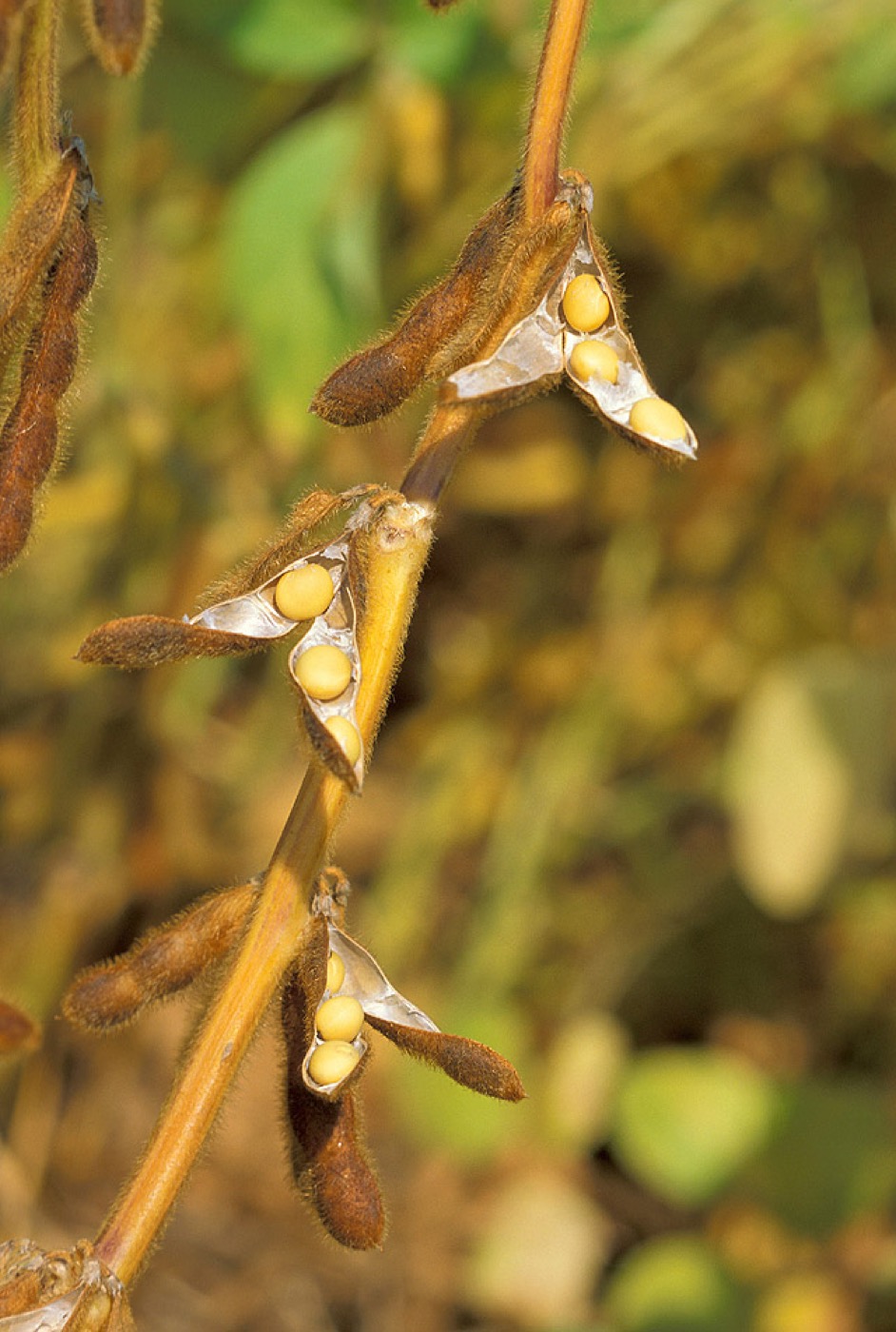
Phosphatidylserine capsules
Finished hard capsule of phosphatidyl-L-serine (PS) made by enzymatic conversion of soy or sunflower lecithin, at 20%, 50% or 70% PS. Vegan HPMC shell, bovine-free; soy grades declare soy.
Specifications
| Format | Finished hard capsule, size 0 or 00. Per-capsule PS loading is set to the buyer's label and confirmed on a pre-production sample before the production run. |
| Active identity | Phosphatidyl-L-serine (PS, Ptd-L-Ser), an acidic glycerophospholipid. CAS 51446-62-9 as quoted in trade; PubChem CID 9547096, reference species C42H82NO10P, 792.1 g/mol. |
| Standardisation and assay | 20%, 50% or 70% PS on the concentrate. Assay by HPLC with ELSD or by 31P NMR; state the method on the specification, results are not interchangeable. |
| Source and manufacture | Phospholipase D, typically from Streptomyces sp., transphosphatidylates lecithin phosphatidylcholine with L-serine as co-substrate; the concentrate is then standardised. |
| Feedstock economics | Native PS is roughly 3% of total phospholipids in soy lecithin, so enrichment is enzymatic rather than by simple fractionation. This drives the price ladder across grades. |
| Bovine-free declaration | No bovine cerebral cortex material is used or offered. The original bovine source was abandoned over BSE transmission risk. Capsule is BSE/TSE-free by construction. |
| Capsule shell | HPMC (hypromellose) as standard: vegan, no bovine or porcine input, halal and kosher compatible. Bovine gelatin on request, which ends the vegan claim. |
| Appearance and solubility | Light yellow to yellow-brown free-flowing powder in the concentrate, characteristic lecithin odour. Dispersible in water, soluble in chloroform-methanol systems. |
| Oxidative stability | Polyunsaturated fatty acyl chains oxidise. Peroxide value and acid value held on every lot; nitrogen blanketing of bulk and in-pack oxygen scavengers available. |
| Purity limits | Residual solvents to USP <467>; elemental impurities to USP <2232> dietary supplement limits; hexane and ethanol residues reported on the certificate of analysis. |
| Microbiology | Total plate count, yeast and mould, plus absence of E. coli, Salmonella and S. aureus, tested to USP <2021>/<2022> dietary supplement criteria on every lot. |
| Allergen and dietary status | Soy-lecithin grades are a declarable soy allergen in the EU, US and most markets. Sunflower-lecithin grades are soy-free. Vegan, non-GMO on request, BSE/TSE-free. |
| Shelf life and storage | 24 months from manufacture in sealed original packaging. Store below 25 C, dry and dark, away from oxygen; reseal immediately after opening. |
| HS code (India ITC-HS) | 21069099 - food preparations not elsewhere specified or included: other. Final classification rests with the importing customs authority. |
Applications
Available grades
Vegan HPMC shell as standard with bovine gelatin on request; size 0 and size 00 fills; 20%, 50% and 70% PS concentrates; soy-lecithin grades and sunflower-lecithin (soy-free) grades; non-GMO identity-preserved soy on request; nitrogen-flushed and oxygen-scavenged packing; alu-alu blister for humid markets; and combination fills with DHA-rich algal oil powder, Ginkgo biloba extract or standardised Bacopa monnieri extract on the buyer's own formula sheet. Bovine-cortex material is not offered in any grade.
Related products
Melatonin Tablets and Gummies
Finished-format melatonin in compressed tablets and pectin or gelatin gummies, 0.5-10 mg per unit, assayed at 90-110% of label claim. Synthetic non-animal active, vegan builds available.
Melatonin with L-Theanine Sleep Tablets
A two-active night-time tablet pairing melatonin with L-theanine, standard build 3 mg plus 200 mg, each active assayed separately at 90-110% of label claim. Vegan build on fermentation theanine.
L-Theanine Capsules
L-theanine capsules at 100, 200 or 250 mg, not less than 98% L-form by HPLC, in vegan HPMC or bovine gelatin shells. Caffeine-free fermentation grade or tea-derived to an agreed caffeine limit.